
TL;DR
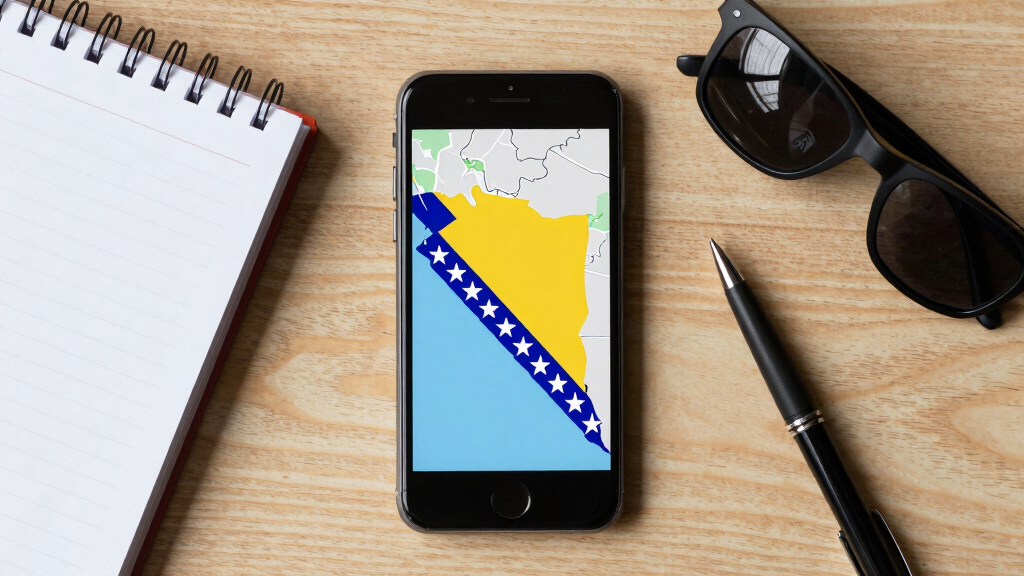
Bosnia and Herzegovina is preparing for heightened U.S. engagement amid regional instability. Key facts, regional context, and what remains uncertain are outlined for readers.
The United States is increasing diplomatic engagement with Bosnia and Herzegovina amid ongoing regional tensions and political instability, marking a significant shift in U.S. policy focus on the Balkan country.
Bosnia and Herzegovina is a country in Southeast Europe, composed of two entities: the Federation of Bosnia and Herzegovina and Republika Srpska. It declared independence in 1992, following the breakup of Yugoslavia, and experienced a brutal civil war until the Dayton Accords in 1995. Since then, the country has struggled with political fragmentation, ethnic divisions, and economic challenges.
Recent developments indicate that the U.S. government is increasing diplomatic efforts, including high-level visits and discussions about regional stability, security cooperation, and potential support for reforms. While there is no formal announcement of new policies, officials suggest a strategic interest in preventing instability that could spill over into neighboring countries or undermine regional peace.
According to U.S. officials, this renewed focus aims to bolster Bosnia and Herzegovina’s institutions and promote stability amid rising concerns over political obstructionism and ethnic tensions. The U.S. State Department has emphasized the importance of maintaining peace and supporting democratic reforms, though specific policy measures have not been publicly detailed.
Implications of U.S. Engagement with Bosnia and Herzegovina
This increased U.S. attention signals a strategic interest in stabilizing Bosnia and Herzegovina, which remains fragile due to ethnic divisions and political gridlock. It could influence regional geopolitics, especially in the context of Russia’s and China’s growing influence in the Balkans. For the U.S., engagement may also serve to counterbalance regional actors and support NATO integration efforts. The move underscores the importance of the Balkans in broader U.S. foreign policy, particularly as instability in the region could have wider repercussions for European security.

Bosnia & Herzegovina
As an affiliate, we earn on qualifying purchases.
As an affiliate, we earn on qualifying purchases.
Recent U.S. and Regional Developments in the Balkans
Since the end of the Bosnian War, the region has seen periods of stability and turmoil. The Dayton Accords established a fragile peace, but ethnic tensions and political disagreements persist. In recent years, regional powers like Serbia, Croatia, and Russia have sought to influence Bosnia and Herzegovina’s internal affairs, often complicating Western efforts to promote stability. The U.S. has historically maintained a presence in the region through diplomatic and military support, but recent years have seen fluctuating levels of engagement.
In 2023, regional tensions increased due to political protests and disputes over electoral laws, which many see as signs of deeper divisions. The U.S. response has included diplomatic outreach and calls for reforms, but concrete policy shifts have been limited until now. The current focus appears to be on preventing escalation and supporting democratic processes.
“We are committed to supporting Bosnia and Herzegovina’s path toward stability, democratic reforms, and regional integration.”
— U.S. State Department spokesperson
Bosnia and Herzegovina travel safety kit
As an affiliate, we earn on qualifying purchases.
As an affiliate, we earn on qualifying purchases.
Unclear Details of Future U.S. Policy Steps
It is not yet clear what specific policies or actions the U.S. will implement in Bosnia and Herzegovina. While diplomatic engagement has increased, details about new aid packages, military support, or reforms remain undisclosed. The extent of U.S. influence on Bosnia’s internal politics and how regional actors will respond are still uncertain.

Bosnian Girl Bosniaks girl Bosnia and Herzegovina woman flag T-Shirt
Bosnian national pride design. Bosnian Girl Bosniaks girl Bosnia and Herzegovina woman flag
As an affiliate, we earn on qualifying purchases.
As an affiliate, we earn on qualifying purchases.
Expected Diplomatic and Policy Developments
In the coming months, observers expect high-level diplomatic visits and possibly new initiatives aimed at strengthening Bosnia’s institutions. The U.S. may also coordinate with European allies to develop a comprehensive approach to regional stability. Monitoring statements from officials and upcoming regional meetings will provide further clues on the direction of U.S. policy.

United States to Bosnia and Herzegovina Travel Power Adapter to Connect North American Electrical Plugs to Bosnian Outlets for Cell Phones, Tablets, eReaders, and More (2-Pack, White)
TRAVEL FROM NORTH AMERICA TO BOSNIA AND HERZEGOVINA EASIER with a TWO-PACK of quality plug adapters. Designed specifically…
As an affiliate, we earn on qualifying purchases.
As an affiliate, we earn on qualifying purchases.
Key Questions
Why is the U.S. increasing its focus on Bosnia and Herzegovina?
The U.S. aims to promote stability in the Balkans, prevent regional spillover of ethnic tensions, and counteract influence from regional and global actors like Russia and China.
What are the main challenges Bosnia and Herzegovina faces today?
Key challenges include political fragmentation, ethnic divisions, governance issues, and economic instability, which hinder progress toward stability and integration.
Could U.S. involvement change Bosnia’s internal politics?
While increased diplomatic engagement can support reforms, significant political change depends on internal dynamics and regional cooperation, which remain uncertain.
How might regional actors respond to U.S. policies?
Regional powers like Serbia, Russia, and Croatia could oppose or seek to influence U.S. efforts, potentially complicating the diplomatic landscape.
What is the timeline for U.S. actions in Bosnia and Herzegovina?
Specific actions are not yet announced; future developments are likely over the next few months as diplomatic efforts unfold.
Source: google-trends