
AI plays a vital role in supply chain optimization by improving demand forecasting through analyzing sales, social media, weather, and economic data, helping you better align production and reduce waste. It enhances inventory management with real-time visibility and automatic replenishments, while logistics are optimized via route planning that adapts to traffic and weather. Automating routine tasks speeds up decisions and boosts efficiency. Keep exploring how these innovations can transform your supply chain’s performance and competitiveness.
Key Takeaways
- AI integrates diverse data sources to improve demand forecasting accuracy, aligning production and reducing waste.
- Real-time inventory visibility and automated replenishment optimize stock levels and minimize costs.
- Route optimization algorithms enhance logistics efficiency, reducing delivery times and fuel consumption.
- Data analysis and automation streamline routine supply chain tasks, increasing responsiveness and agility.
- AI-driven insights enable quick adaptation to market shifts, lowering costs and boosting customer satisfaction.

Artificial intelligence is transforming supply chain management by enabling companies to predict demand accurately, optimize inventory levels, and streamline logistics. Instead of relying solely on historical data and intuition, you can now leverage AI algorithms that analyze vast amounts of data in real-time. These systems identify patterns and trends that humans might overlook, giving you a sharper view of customer behaviors, seasonal fluctuations, and market shifts. This heightened insight allows you to plan more effectively, reducing stockouts and excess inventory, which directly improves cash flow and customer satisfaction.
AI transforms supply chains with real-time data analysis, improving demand prediction, inventory management, and logistics efficiency.
When it comes to demand forecasting, AI models excel at integrating multiple data sources, such as sales history, social media activity, weather patterns, and economic indicators. By doing so, they generate more precise forecasts than traditional methods. You’ll find that this accuracy helps you better align production schedules, procurement, and distribution. Instead of overproducing and risking waste or underproducing and losing sales, you can make data-driven decisions that balance supply with actual demand. This agility becomes especially pivotal during unpredictable times, like sudden market disruptions or new product launches, where traditional forecasting methods often fall short. Additionally, incorporating the antioxidant properties of certain ingredients can enhance product offerings in health-conscious markets, aligning supply chain strategies with consumer trends.
Inventory management also benefits tremendously from AI. With intelligent systems, you gain real-time visibility into stock levels across multiple locations. These systems can automatically trigger replenishment orders when inventory dips below a certain threshold, minimizing manual intervention. They can also analyze usage patterns to suggest ideal stock levels, considering factors like lead times and demand variability. As a result, you reduce carrying costs, avoid stockouts, and improve turnover rates. AI-powered inventory optimization means you spend less time firefighting shortages or excesses and more time focusing on strategic growth initiatives.
Logistics and transportation are equally transformed by AI. Route optimization algorithms analyze traffic data, weather conditions, and delivery constraints to find the most efficient routes. This not only shortens delivery times but also reduces fuel consumption and transportation costs. AI systems can dynamically adjust routes in response to real-time disruptions, such as accidents or road closures, ensuring your shipments stay on schedule. Additionally, predictive maintenance powered by AI helps you anticipate equipment failures before they happen, minimizing downtime and avoiding costly delays. By automating and optimizing these logistics processes, you gain a competitive edge through faster, cheaper, and more reliable deliveries.
In essence, AI empowers you to make smarter, faster decisions throughout your supply chain. It turns data into actionable insights, automates routine tasks, and enhances responsiveness. As a result, you can better meet customer demands, manage costs, and adapt swiftly to market changes — all vital advantages in today’s fast-paced global economy.

Engineering Applications of AI for Demand Forecasting
As an affiliate, we earn on qualifying purchases.
As an affiliate, we earn on qualifying purchases.
Frequently Asked Questions
How Does AI Handle Supply Chain Disruptions Caused by Unforeseen Events?
When unforeseen events disrupt your supply chain, AI quickly analyzes real-time data to identify the problem and suggests solutions. It can reroute shipments, adjust inventory levels, and forecast future disruptions to keep things running smoothly. By automating these responses, AI helps you minimize delays and costs, ensuring your supply chain stays resilient and adaptable. This proactive approach allows you to respond faster and maintain customer satisfaction despite unexpected challenges.
What Are the Key Challenges in Implementing AI for Supply Chain Management?
You face several key challenges when implementing AI in supply chain management. Data quality and integration are critical, as poor data hampers AI effectiveness. You also need to address high initial costs and guarantee staff are trained to work with new technologies. Resistance to change can slow adoption, and maintaining AI models requires ongoing updates. Overcoming these hurdles is essential for AI to optimize your supply chain successfully.
How Does AI Improve Supplier Relationship Management?
You can improve supplier relationship management by using AI to analyze communication patterns, monitor performance, and predict potential issues. AI helps you identify reliable suppliers, optimize order schedules, and personalize interactions, fostering stronger partnerships. With real-time data, you stay proactive in addressing concerns, reducing risks, and enhancing collaboration. This enables you to make informed decisions quickly, strengthening your supply chain and building trust with your suppliers.
What Ethical Considerations Arise From Ai-Driven Supply Chain Decisions?
You face ethical concerns when AI makes supply chain decisions. It can lead to bias in supplier selection, jeopardize data privacy, and create transparency issues. You need to guarantee fairness, protect sensitive information, and maintain accountability. By establishing clear guidelines, monitoring AI outputs, and involving human oversight, you can balance efficiency with ethical responsibility, making sure your supply chain decisions are both effective and morally sound.
How Can Small Businesses Leverage AI in Their Supply Chain Operations?
You can leverage AI in your supply chain by using it to predict demand more accurately, optimize inventory levels, and streamline logistics. Implement AI-powered tools to analyze data quickly, identify trends, and automate routine tasks. This helps you reduce costs, improve delivery times, and stay competitive. Start small with pilot programs, then expand AI use as you see results, ensuring your supply chain adapts efficiently to changing market needs.

Warehouse Management and Inventory Control System
As an affiliate, we earn on qualifying purchases.
As an affiliate, we earn on qualifying purchases.
Conclusion
So, next time your supply chain runs smoothly without a hitch, thank AI — the omniscient oracle behind the scenes. Forget human error; it’s all about algorithms predicting your every move, even before you know it yourself. Who needs intuition when you have machine learning? Just sit back, relax, and marvel at how AI’s so-called “optimization” turns your chaotic logistics into a perfectly choreographed dance — with no need for a conductor.

Optimus 3.0 GPS Tracker – Over 1 Month Battery – with Heavy Duty Waterproof Case and Powerful Magnets for Vehicles and Assets
Accurate, Discreet, Real-Time GPS Tracker with POWERFUL Twin Magnet Case.
As an affiliate, we earn on qualifying purchases.
As an affiliate, we earn on qualifying purchases.
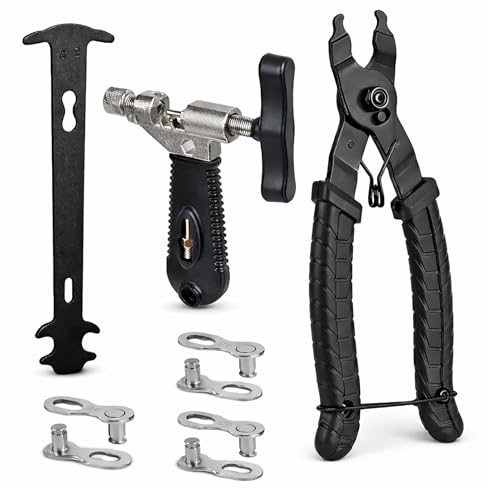
Bike Chain Tool, Bicycle Chain Tool with Master Link Plier Chain Breaker and Chain Wear Checker for Bike Chain link Removal Repair
🔧 1. Complete Bicycle Chain Repair Kit: All-in-one chain maintenance set including chain breaker, dual-direction master link pliers,…
As an affiliate, we earn on qualifying purchases.
As an affiliate, we earn on qualifying purchases.