
You need to understand that the battery supply chain is shifting due to rising demand for electric vehicles and renewable energy storage. You should rethink sourcing strategies, focusing on diversifying raw material sources like lithium, cobalt, and nickel to avoid vulnerabilities. Technological innovations and digital tools are reshaping how materials are sourced and tracked. Staying alert to policy changes and investing in resilient, sustainable practices can give you a competitive edge—keep exploring to learn more about maneuvering these evolving strategies.

Get the latest gadgets delivered free with Prime
- Fast, free delivery on millions of items
- Prime Video, Amazon Music and more included
- Member-only deals all year
Key Takeaways
- Shifts in global demand and geopolitical tensions prompt companies to diversify raw material sources for resilience.
- Technological innovations like blockchain and direct extraction improve transparency and efficiency in sourcing.
- Governments’ policies incentivize domestic mining and processing, influencing strategic sourcing decisions.
- Competition for critical materials like lithium, cobalt, and nickel drives upstream investments and recycling efforts.
- Supply chain agility and sustainability are essential for maintaining competitiveness amid evolving industry standards.
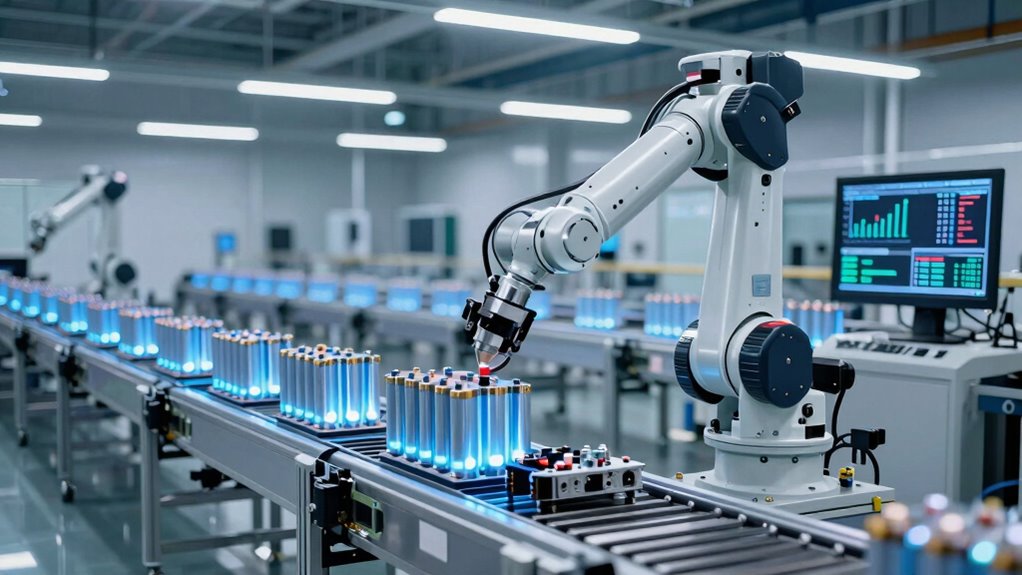
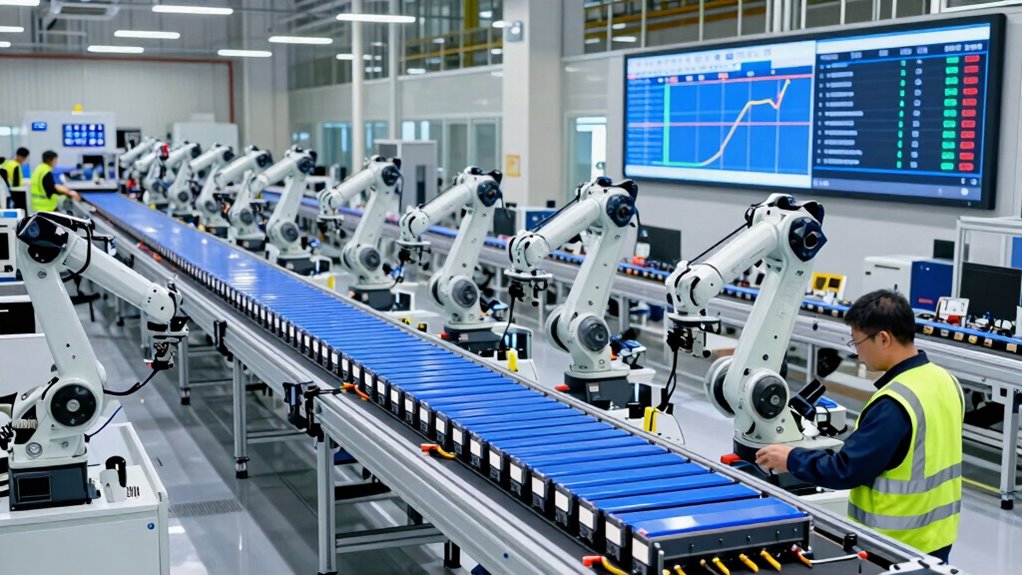
The battery supply chain is undergoing significant shifts as global demand for electric vehicles and renewable energy storage rises. This surge puts pressure on manufacturers and policymakers alike to rethink how they secure and manage critical components. One of the most pressing concerns is supply chain resilience. You need to ensure that your sourcing strategies can withstand disruptions, whether they stem from geopolitical tensions, transportation issues, or sudden spikes in demand. Relying heavily on a few geographic regions for raw materials makes your supply chain vulnerable. Diversifying your sourcing options becomes essential. You might look to establish partnerships in different countries or develop alternative sources for key materials like lithium, cobalt, and nickel. The goal is to build a more flexible and resilient supply network that can adapt quickly to unforeseen challenges.
Diversify sourcing to build resilient, adaptable battery supply chains amid rising global demand and geopolitical risks.
Raw material sourcing is at the core of this transformation. As demand skyrockets, the competition to secure these vital resources intensifies. You’re likely to face challenges in maintaining steady supplies at reasonable costs. To navigate this, many companies are investing in upstream activities—either by directly mining or by forming joint ventures with mining firms. You’re also exploring recycled materials to reduce dependency on traditional sources, which not only helps with sustainability goals but can also buffer against supply shortages. However, sourcing raw materials isn’t just about availability; it’s about doing so responsibly. Stricter environmental and social standards are emerging, pushing you to ensure your supply chain aligns with ethical practices and regulatory requirements.
Technological advances are also reshaping raw material sourcing. You might adopt innovations like direct lithium extraction, which can be more sustainable and efficient. Meanwhile, digital tools such as blockchain are helping you track and verify the origin of raw materials, boosting transparency and trust. These tools enable you to respond faster to supply chain disruptions, making your sourcing more resilient. Additionally, governments around the world are implementing policies to secure local supply chains, offering grants or incentives for domestic mining and processing. As a result, you need to stay updated on policy changes and adapt your sourcing strategies accordingly.
In this fast-changing landscape, your ability to ensure supply chain resilience and manage raw material sourcing effectively will determine your competitive edge. You must be proactive—diversify your sources, invest in sustainable practices, leverage technology, and stay agile in response to evolving regulations. Only then can you secure the materials needed to power the next generation of batteries and keep up with the global energy transition.
As an affiliate, we earn on qualifying purchases.
Frequently Asked Questions
How Will Geopolitical Tensions Affect Battery Supply Chains?
You’ll find that geopolitical risks can disrupt your battery supply chain, making it harder to guarantee supply chain resilience. Tensions between nations may lead to export restrictions or tariffs, causing delays and increased costs. You might need to diversify sources or build strategic stockpiles to mitigate these risks. Staying informed about geopolitical developments helps you adapt quickly, safeguarding your supply chain against unforeseen disruptions.
What New Technologies Are Emerging in Battery Manufacturing?
Think of battery manufacturing as a bustling marketplace, where new technologies are the innovative traders changing the game. You see advancements like solid-state batteries, which promise higher safety and energy density, and fast-charging capabilities that revolutionize user experience. Battery innovation now focuses on material sourcing, seeking sustainable and rare-earth-free materials. These emerging technologies aim to make batteries more efficient, eco-friendly, and reliable, transforming how you power your devices and vehicles.
How Are Smaller Nations Competing in the Battery Supply Race?
You see smaller nations compete by establishing innovation hubs that foster advanced battery research and development. They attract talent migration by offering incentives and opportunities, which boosts their technological capabilities. These countries focus on niche areas like sustainable materials or specific battery components, allowing them to carve out a competitive space. Their agility and targeted investments help them stay relevant and innovate quickly in the evolving battery supply chain.
What Environmental Impacts Are Associated With New Supply Chain Methods?
You might not see the full picture at first, but new supply chain methods could trigger significant environmental impacts. Stricter regulations aim to reduce the carbon footprint, yet mining and processing still threaten ecosystems and water sources. As industries push forward, you should wonder: are these innovations truly sustainable, or are we risking long-term harm for short-term gains? The choice could shape the planet’s future in unexpected ways.
How Might Battery Recycling Influence Supply Chain Strategies?
Battery recycling influences your supply chain strategies by emphasizing battery reuse and effective recycling strategies. You’ll focus on securing sustainable raw materials and reducing reliance on mining, which can lower costs and environmental impact. Recycling strategies also help you manage waste and extend battery life, making your supply chain more resilient. Incorporating reuse initiatives means you can meet increasing demand with a sustainable approach, boosting your company’s reputation and long-term viability.
battery raw material recycling machines
As an affiliate, we earn on qualifying purchases.
As an affiliate, we earn on qualifying purchases.
Conclusion
As you navigate this shifting landscape, remember that the battery supply chain is the heartbeat of modern industry—pulsing with innovation and resilience. The race isn’t just about who leads now, but who can sustain the rhythm of change. Embrace the symbolism: like a steady current powering a brighter future, your adaptability becomes the spark that keeps progress alive, illuminating pathways toward a sustainable, electrified world. The race is on—stay charged and lead the charge.
blockchain supply chain tracking tools
As an affiliate, we earn on qualifying purchases.
As an affiliate, we earn on qualifying purchases.
direct lithium extraction technology
As an affiliate, we earn on qualifying purchases.
As an affiliate, we earn on qualifying purchases.
Halloween Picks
halloween
As an affiliate, we earn on qualifying purchases.