

Governments want semiconductor capacity closer to home to reduce reliance on distant, unpredictable global supply chains. Local manufacturing helps prevent disruptions from geopolitical tensions, natural disasters, and trade disputes. It also gives you better control over quality, standards, and technological progress. Building domestic chip factories boosts economic growth and strengthens national security by protecting critical infrastructure. If you explore further, you’ll uncover how these strategies shape a nation’s technological future and global influence.

Get the latest gadgets delivered free — and shop member deals
- Fast, free delivery on millions of items
- Access to Prime Big Deal Days deals on October 6–7
- Prime Video, Amazon Music and more included
Key Takeaways
- To reduce reliance on unpredictable global supply chains and minimize disruptions caused by geopolitical tensions.
- To enhance national security by securing access to critical semiconductor components for military and infrastructure needs.
- To improve quality control and foster technological innovation within the country.
- To build a resilient industrial ecosystem that supports sustainable growth and attracts investments.
- To assert geopolitical and economic independence by leading in high-tech standards and future markets.
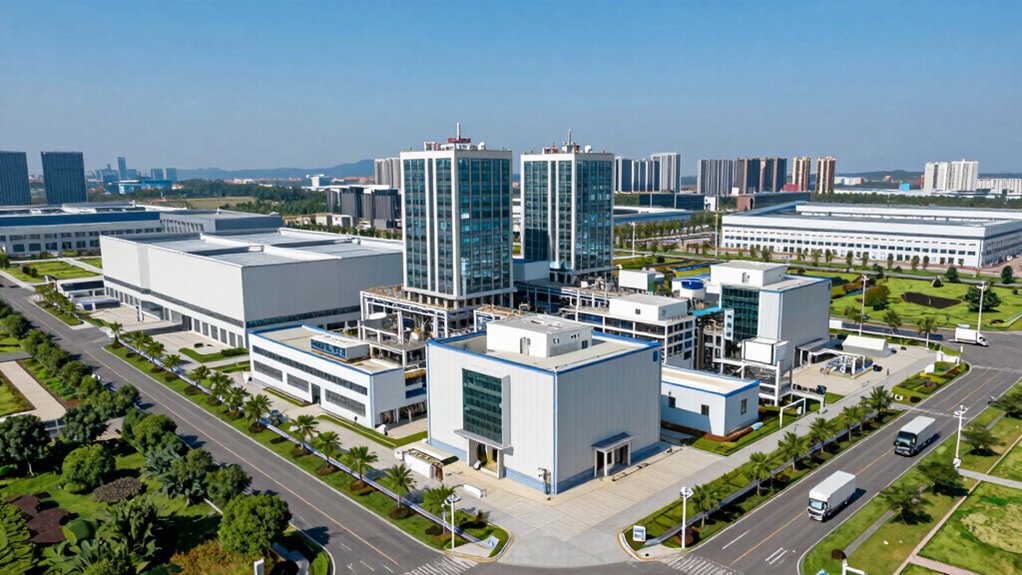
As the demand for electronic devices continues to grow, having semiconductor manufacturing capacity nearby can make a significant difference. When your country develops its own semiconductor facilities, it reduces reliance on distant, often unpredictable global supply chains. Relying heavily on foreign sources can lead to disruptions caused by geopolitical tensions, trade disputes, or natural disasters. By establishing local manufacturing, you help guarantee a steady, reliable supply of critical chips, which is essential for everything from smartphones to advanced military systems. It’s about safeguarding your technological infrastructure and avoiding shortages that can ripple through entire industries. Additionally, developing local capabilities allows for better control over high-quality production standards**, ensuring that the chips meet your nation’s specific needs and specifications. Developing local expertise can also lead to advancements in semiconductor technology, which can set your country apart in the global market. Furthermore, investing in local semiconductor capacity can help build a resilient industrial ecosystem, better preparing your nation for future technological challenges. In turn, fostering a strong local industry can also promote sustainable growth by reducing the environmental impact associated with long-distance shipping and resource usage. You might not realize it, but proximity to semiconductor production also enhances your nation’s technological sovereignty. When you control more of the manufacturing process locally, you’re less vulnerable to external influences that could restrict access to essential components. This independence is pivotal in a world where technology shapes geopolitics. Governments see semiconductor capacity near home as a way to secure dominance in high-tech sectors, enabling them to set standards and innovate without being hamstrung by foreign suppliers’ policies or restrictions. It’s about maintaining control over your technological future, rather than depending on other countries’ decisions. Developing local semiconductor industries can also stimulate the growth of domestic innovation ecosystems**, which are vital for long-term competitiveness. Furthermore, fostering these ecosystems can attract investments and talent, strengthening the overall technological landscape of the country.
semiconductor manufacturing equipment
As an affiliate, we earn on qualifying purchases.
As an affiliate, we earn on qualifying purchases.
Frequently Asked Questions
How Does Local Semiconductor Production Impact Global Supply Chains?
Local semiconductor production stabilizes global supply chains by reducing reliance on distant sources, preventing disruptions caused by trade conflicts or natural disasters. You benefit from more reliable access to essential chips, supporting your technological innovations. By strengthening regional manufacturing, you help diversify global trade, making supply chains more resilient. This shift encourages innovation, boosts local economies, and guarantees that technological advancements reach you faster and more consistently, fostering a more secure and competitive tech landscape.
What Are the Environmental Implications of Building Domestic Fabs?
Building domestic fabs can have significant environmental implications. You’ll need to adhere to strict environmental regulations, which can increase operational costs but help protect local ecosystems. While fabs may initially have a high carbon footprint due to energy-intensive processes, adopting cleaner energy sources can mitigate this impact. Overall, balancing economic benefits with sustainable practices ensures these facilities support technological growth without harming the environment.
How Do Government Subsidies Influence Semiconductor Facility Locations?
Government incentives act like a magnet, drawing semiconductor facilities closer to home. You’ll see subsidies and grants influence where companies build, aiming to boost supply chain resilience. These subsidies make domestic locations more financially attractive, helping companies reduce risks and dependencies on distant regions. By prioritizing these incentives, governments shape the landscape, ensuring essential chip production stays resilient, secure, and less vulnerable to global disruptions.
What Skills Are Needed for a Thriving Local Semiconductor Industry?
You need a skilled workforce that specializes in semiconductor manufacturing, engineering, and research. Focus on workforce development programs to train technicians and engineers, ensuring they’re up-to-date with the latest technologies. Building innovation hubs can foster collaboration and attract top talent. By combining a well-trained workforce with vibrant innovation hubs, your local industry will thrive, stay competitive, and push the boundaries of semiconductor advancements.
How Long Does It Typically Take to Establish a New Semiconductor Plant?
It typically takes about 3 to 5 years to establish a new semiconductor plant, depending on technological innovation and workforce development. You’ll need time to secure funding, build infrastructure, and train skilled workers. Delays can happen due to supply chain issues or regulatory approvals. Focusing on these areas helps accelerate the process, ensuring you’re ready to produce cutting-edge chips and stay competitive in the global market.
semiconductor cleanroom supplies
As an affiliate, we earn on qualifying purchases.
As an affiliate, we earn on qualifying purchases.
Conclusion
So, imagine a world where your smartphone, car, and even your toaster are powered by chips made just down the street. Governments pushing for local semiconductor capacity aren’t just making things easier—they’re shaping the future of innovation itself! The stakes are sky-high, and the race is on to dominate this tiny yet mighty industry. If you think this is big now, just wait—things are about to get exponentially more electrifying!
As an affiliate, we earn on qualifying purchases.
semiconductor quality testing kits
As an affiliate, we earn on qualifying purchases.
As an affiliate, we earn on qualifying purchases.
Fall Picks
fall essentials
As an affiliate, we earn on qualifying purchases.