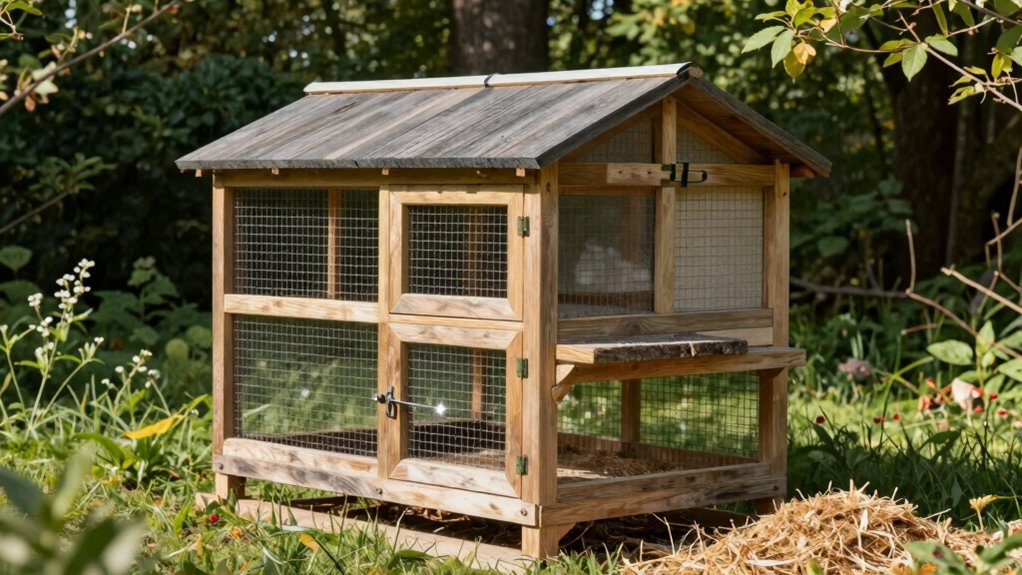

The real costs of a chicken coop go well beyond its purchase or building price. You’ll need to take into account ongoing expenses like high-quality feed, supplements, and water supplies to keep your flock healthy, especially during seasonal changes. Predator-proofing your coop is essential but can be costly and requires continuous upgrades. Overlooking these factors can lead to unexpected expenses and risks. To find out how to better manage these costs and ensure your coop’s safety, keep exploring.

Get the latest gadgets delivered free with Prime
- Fast, free delivery on millions of items
- Prime Video, Amazon Music and more included
- Member-only deals all year
Key Takeaways
- Initial coop costs often underestimate expenses for predator-proofing and secure fencing.
- Ongoing costs like feed, supplements, and seasonal dietary adjustments significantly add to total investment.
- Regular maintenance and upgrades are essential to prevent predator breaches and ensure flock safety.
- Hidden expenses include water supplies, waste management, and cleaning supplies for health and hygiene.
- Long-term sustainability relies on consistent investments beyond the initial purchase price.
When you consider building or buying a chicken coop, the initial cost often seems straightforward, but the real expenses go far beyond the purchase price. It’s easy to focus on the cost of the actual structure, but many overlooked factors can substantially add to your overall investment. Two critical areas you’ll need to prioritize are understanding your chickens’ feeding habits and ensuring predator prevention.
Feeding habits play a big role in your ongoing costs. Chickens need a balanced diet to stay healthy and productive, which means investing in quality feed. While it might seem simple at first—just buying feed and tossing it into the coop—you’ll discover that managing their diet involves more. You may need supplements or specialized feed based on your flock’s age, breed, or health issues. Additionally, if you’re feeding free-range chickens, they’ll consume more natural forage, but you’ll still need to provide supplemental feed during certain times of the year, especially in winter. This means budgeting for these ongoing costs, not just the initial purchase of feed. Also, consider the waste management aspect—cleaning out feeders and ensuring clean water supplies require constant attention and resources.
Ongoing costs include quality feed, supplements, waste management, and seasonal adjustments for free-range chickens.
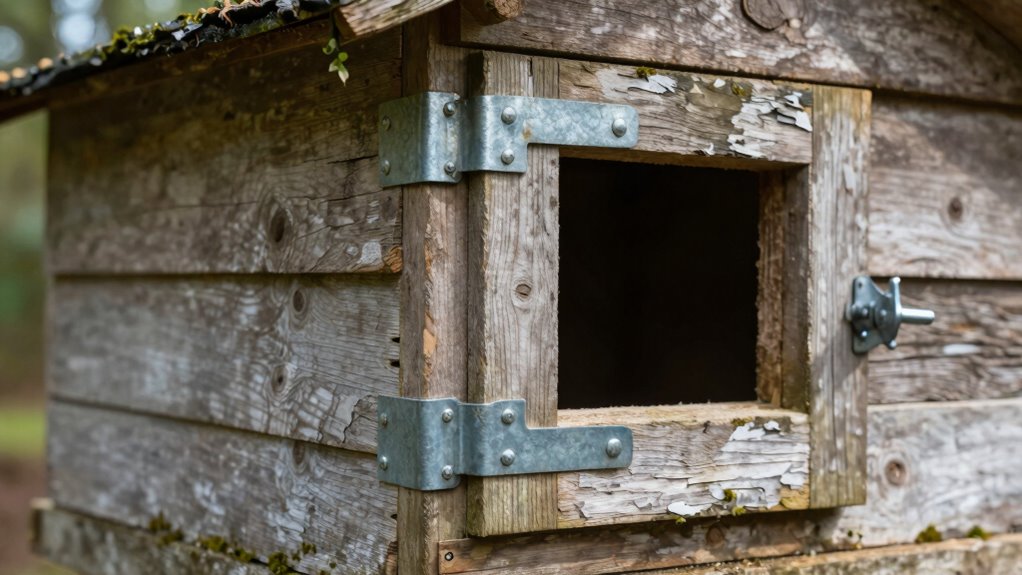
Another crucial aspect that often gets underestimated is predator prevention. A well-built coop does a good job, but it’s not enough on its own. Predators like raccoons, foxes, hawks, and even neighborhood dogs can threaten your flock if you don’t take proper precautions. Installing secure fencing, hardware cloth, and predator-proof locks on doors adds to your upfront costs, but the real expense lies in ongoing maintenance and upgrades. You’ll need to regularly inspect and reinforce weak points, especially around vents, windows, and the floor. Proper predator prevention isn’t just about keeping out immediate threats; it’s about creating a secure environment where chickens feel safe and stress-free. Without it, you risk losing your entire flock, which can be devastating and costly in both monetary and emotional terms.
In essence, the true cost of getting a chicken coop right isn’t limited to the initial purchase or construction. You must consider the continuous expenses related to feeding habits—supplies, supplements, and waste management—and investing in predator prevention measures that evolve over time. These factors demand your attention and resources, often overshadowing the initial price tag, but they’re essential for keeping your chickens healthy and safe in the long run. Additionally, understanding the cost factors involved in predator prevention helps you plan better and avoid unexpected expenses.
chicken coop predator-proof fencing
As an affiliate, we earn on qualifying purchases.
As an affiliate, we earn on qualifying purchases.
Frequently Asked Questions
How Long Does a Well-Designed Chicken Coop Typically Last?
A well-designed chicken coop typically lasts 10 to 15 years if you prioritize good coop ventilation and proper nesting box design. Regular maintenance, like cleaning and repairs, extends its lifespan. Ensuring proper ventilation prevents moisture buildup, while a thoughtful nesting box design keeps hens comfortable and healthy. With proper care, your coop remains functional and safe, providing a secure environment for your chickens for many seasons.
What Are Common Mistakes in Chicken Coop Installation?
Think of your coop like a well-tuned orchestra, where every detail matters. Common mistakes include poor coop ventilation, which leads to damp, unhealthy air, and improper nesting box placement, causing stress and pecking order issues. You might overlook these details, but they’re essential. Ensuring proper airflow and placing nesting boxes at the right height keeps your chickens comfortable and healthy, avoiding costly fixes down the line.
How Does Predator Proofing Affect Overall Coop Costs?
Predator proofing increases your overall coop costs because you’ll need to invest in predator deterrents and security upgrades. Adding sturdy fencing, secure latches, and protective covers raises expenses but is essential for safety. These enhancements help prevent predators from breaking in, saving you money and heartbreak in the long run. While it bumps up initial costs, protecting your chickens is worth the investment for their safety and peace of mind.
What Maintenance Is Required to Keep a Coop Secure?
To keep your coop secure, you need regular maintenance like inspecting and repairing fencing and locks. You should also manage feeding routines carefully to prevent attracting predators and monitor your chickens’ health for signs of stress or illness that could compromise security. Consistently checking for weak spots, cleaning debris, and ensuring all entry points are secure helps protect your flock effectively.
Are There Hidden Costs in Chicken Coop Upgrades?
When upgrading your coop, hidden expenses can catch you off guard—like unexpected reinforcement costs after a predator breach. These upgrade surprises often arise from overlooked structural needs or pest-proofing. For example, a simple upgrade to better insulation might reveal the need for additional ventilation or wiring. Always budget beyond the initial price to cover these hidden expenses, ensuring your coop remains secure and comfortable without surprise costs derailing your project.
chicken feed and supplement supplies
As an affiliate, we earn on qualifying purchases.
As an affiliate, we earn on qualifying purchases.
Conclusion
Remember, investing in a well-designed chicken coop isn’t just about the initial cost—it’s about avoiding costly mistakes later. Did you know that improper ventilation or poor predator protection can lead to significant health issues or animal loss? By prioritizing quality and proper planning upfront, you save money and make sure your chickens stay safe and healthy. So, don’t cut corners—getting it right the first time truly pays off in the long run.
As an affiliate, we earn on qualifying purchases.
As an affiliate, we earn on qualifying purchases.
Halloween Picks
halloween
As an affiliate, we earn on qualifying purchases.