To feel human again during long workdays, establish a daily stretching routine focused on gentle neck tilts, shoulder rolls, and overhead arm stretches. Set reminders to stand, stretch, and adjust your posture regularly—small movements make a big difference. Ergonomic workspace tweaks and awareness of your posture help reduce tension and improve flexibility. Keep at it consistently, and you’ll notice increased comfort and energy. Stick around to discover how these habits can transform your work experience.
Key Takeaways
- Incorporate short, frequent stretches like neck tilts and shoulder rolls to relieve tension and improve flexibility.
- Maintain proper posture with ergonomic setups, such as monitor at eye level and feet flat on the ground.
- Set hourly reminders to stand, stretch, and reset posture, preventing stiffness from prolonged sitting.
- Practice routine stretches that target common areas of tension, promoting blood flow and muscle relaxation.
- Combine ergonomic adjustments, posture awareness, and stretching habits to feel more energized and human again.

In today’s fast-paced world, establishing a daily stretching habit can considerably improve your flexibility, reduce stress, and boost overall well-being. As someone who spends long hours at a desk, you might notice your muscles tightening, your posture slipping, and your energy waning. Incorporating simple stretches into your routine helps counteract these effects, but it’s equally important to make ergonomic adjustments to your workspace. Setting up your desk and chair correctly supports better posture awareness, which reduces strain on your neck, shoulders, and back. When your workstation promotes proper alignment, stretching becomes more effective because your muscles are already in healthier positions, making movements smoother and more comfortable.
Enhance your well-being with ergonomic workspace setup and daily stretching routines for better posture and increased energy.
You should start by paying close attention to your posture throughout the day. Sit with your feet flat on the floor, knees at a 90-degree angle, and your lower back supported by your chair. Keep your shoulders relaxed and avoid hunching forward. Small ergonomic adjustments, like raising your monitor to eye level or using a footrest, can make a significant difference. When your body feels supported, you’re less likely to develop discomfort, and your stretches will target the right areas. Posture awareness isn’t just about avoiding pain; it’s about training your body to maintain healthy positions, which makes stretching more effective and less painful. Additionally, understanding the importance of ergonomic principles can help you create a workspace that supports long-term health.
Once you’ve optimized your workspace, integrate stretches that target your neck, shoulders, back, and hips. Start with gentle neck tilts, slowly lowering your ear toward your shoulder, and hold for a few seconds on each side. Roll your shoulders backward and forward to release tension. Stretch your arms overhead, interlace your fingers, and gently lean to each side. These movements loosen stiff muscles and increase blood flow. Remember, consistency is key — short, frequent stretches throughout the day are more beneficial than long sessions infrequently.
The goal is to create a routine that becomes second nature. Set reminders, perhaps every hour, to stand, stretch, and reset your posture. Over time, these habits will improve your flexibility, reduce the physical stress caused by prolonged sitting, and foster greater awareness of how you hold your body. It’s not just about feeling human again; it’s about taking control of your health in a busy work environment. By combining ergonomic adjustments, posture awareness, and regular stretching, you’ll find yourself feeling more energized, less tense, and better equipped to handle your daily tasks.

TRALT Office Chair – Ergonomic Desk Chair with Adjustable Lumbar Support, Mesh Computer Chair, Executive Chairs for Home Office Comfortable Lumbar Support (Black)
High-Resilience Molded Foam Seat – Won’t Flatten After 1 Year – Instead of budget foam that hardens and…
As an affiliate, we earn on qualifying purchases.
As an affiliate, we earn on qualifying purchases.
Frequently Asked Questions
How Long Should Each Stretching Session Last?
You should aim for about 5 to 10 minutes of stretching each session. Focus on ergonomic postures that promote proper alignment, and include stretches targeting areas where tension builds up, like your neck, shoulders, and back. Keep movements gentle and deliberate to maximize tension release. Consistent stretching throughout the day helps prevent stiffness, improves circulation, and keeps you feeling more human and less like a desk-bound robot.
Are There Specific Stretches for Neck and Shoulder Relief?
You should try stretches like neck tilts and shoulder rolls for relief. These moves promote ergonomic posture and help reduce stress accumulated from long hours at your desk. Imagine rolling your shoulders back after a long meeting or gently tilting your neck to ease tension. These simple stretches refresh your muscles, making you feel more human and less stiff, especially when stress starts to build up.
Can Stretching Improve Mental Focus During Work?
Yes, stretching can improve your mental focus during work by offering ergonomic benefits and reducing stress. When you stretch regularly, you increase blood flow and release tension, helping your brain stay alert and sharp. It also promotes relaxation, making it easier to concentrate on tasks. Incorporating simple stretches into your daily routine enhances both physical comfort and mental clarity, allowing you to work more efficiently and feel more centered.
How Often Should I Do Daily Stretches?
You should stretch at least once every hour to maximize ergonomic benefits and counteract sitting fatigue. Many believe stretching myths, like needing to stretch intensely or only after pain, but gentle movement keeps muscles flexible and reduces strain. Regular, mindful stretches help prevent stiffness and improve posture, making you feel more human and less like a desk-bound robot. Consistency is key for lasting comfort and health.
Is Stretching Suitable for All Age Groups?
Stretching is suitable for all age groups, but you should consider ergonomics benefits and stretching contraindications. For kids and seniors, gentle, age-appropriate stretches help improve flexibility and reduce discomfort. However, if you have specific health conditions or injuries, consult a healthcare professional to avoid overstretching or strain. Always listen to your body, and incorporate stretches that support your overall well-being, ensuring safety and maximum benefits.

BONTEC Dual Monitor Stand Riser, Adjustable Length & Swivel Angle, Ergonomic Wooden Desktop Organizer with Smartphone Holder, Computer Monitor Stand for PC Monitor, Laptop, Printer, Large Storage
DUAL MONITOR STAND WITH ADJUSTABLE LENGTH & ANGLE – Elevate two monitors to an ergonomic height for better…
As an affiliate, we earn on qualifying purchases.
As an affiliate, we earn on qualifying purchases.
Conclusion
Think of your daily stretch as tending to a delicate garden. Each gentle movement loosens tight roots and nurtures new growth, helping your body flourish amidst a busy day. When you commit to this simple habit, you’re not just stretching muscles—you’re cultivating resilience and energy. So, keep tending your garden each day, and watch yourself bloom into a more refreshed, human version of yourself, ready to face whatever comes next.
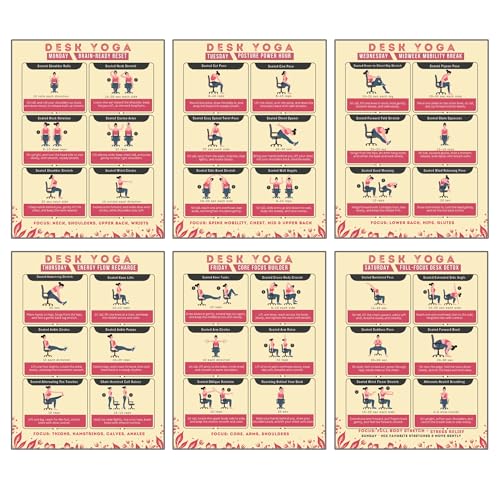
Auroscent Desk Yoga 7-Day Seated Stretching Routine – Chair Yoga Workout Charts, Office Exercise Program for Neck, Shoulders & Back, Daily Mobility & Stretch Guide for Home or Work
💺 DESK-FRIENDLY SEATED YOGA ROUTINE Designed for office workers and home setups, this desk yoga program includes fully…
As an affiliate, we earn on qualifying purchases.
As an affiliate, we earn on qualifying purchases.

CasaZenith Foot Rest, Six Heights Adjustable Foot Rest for Under Desk at Work, Ergonomic Foots Stool for Under Office Desks, Under Desk Footrest with Foot Massage Roller, Chair Footrest for Leg Rests
Desk Foot Rest with 6 Six Height Adjustment: Our foot stool can be adjusted according to your height,…
As an affiliate, we earn on qualifying purchases.
As an affiliate, we earn on qualifying purchases.