

To juggle less and achieve more, practice mindful multitasking by minimizing digital distractions—turn off notifications, close irrelevant tabs, and set dedicated times for checking messages. Focus fully on one task at a time and switch intentionally, using techniques like grouping similar activities for better efficiency. Creating a distraction-free environment and taking regular breaks also boost focus. Keep exploring these science-backed methods, and you’ll discover how to master your workflow even better.
Key Takeaways
- Practice full presence with each task by pausing briefly before switching to reduce cognitive overload.
- Chunk similar tasks together to leverage pattern recognition and improve efficiency.
- Schedule dedicated, limited time blocks for checking emails and social media to minimize distractions.
- Create a workspace environment that minimizes digital interruptions and mental clutter.
- Incorporate regular breaks and mindful transitions to enhance focus, reduce stress, and sustain productivity.

Have you ever wondered if you can truly stay focused while juggling multiple tasks? In today’s fast-paced world, digital distractions make it even harder to concentrate. Notifications ping, emails arrive, and social media beckons—diverting your attention from what truly matters. This constant barrage of interruptions hampers your ability to manage time effectively, often leaving you feeling overwhelmed and unproductive. But the good news is, you can develop mindful multitasking techniques that help you stay present and accomplish more without sacrificing quality.
The key is to recognize that multitasking isn’t about doing everything at once, but rather shifting your focus intentionally between tasks. When you’re aware of digital distractions, you can take active steps to limit them. Turning off non-essential notifications, closing irrelevant tabs, and setting specific time blocks for checking emails can drastically improve your time management. By doing so, you create a controlled environment that minimizes interruptions, allowing you to give your full attention to each task. This intentional approach reduces the mental clutter that often causes mistakes or incomplete work, making your efforts more efficient.
Practicing mindfulness during multitasking involves being fully present with each task, no matter how small. Instead of rushing through a list of chores or work assignments, pause briefly to assess what’s most important at that moment. This helps you prioritize and allocate your mental resources wisely. For example, when switching from answering emails to preparing a report, take a deep breath and acknowledge the transition. This moment of awareness prevents your mind from wandering and ensures you’re engaged in the task at hand. Over time, this habit trains your brain to focus better, even when juggling multiple responsibilities.
Pause and breathe to stay present, enhancing focus and prioritization during multitasking efforts.
Another evidence-based technique is to chunk similar tasks together, which leverages your brain’s natural pattern recognition. Instead of switching back and forth between unrelated activities, group similar tasks—like making phone calls or editing documents—so your focus remains consistent. This reduces cognitive fatigue and makes transitions smoother. Also, schedule regular breaks to reset your mental state. Short pauses refresh your attention span, helping you return to tasks with renewed clarity and energy.
Additionally, understanding the importance of contrast ratio in projectors can help you create a more immersive viewing environment, which can be quite beneficial when setting up your workspace or home cinema. Incorporating mindful multitasking into your routine can transform how you handle your workload. It’s about creating intentional boundaries around digital distractions, managing your time with purpose, and maintaining awareness of your mental state. When you master these techniques, you’ll find yourself juggling less stress and achieving more with greater ease. Ultimately, mindful multitasking isn’t about doing everything at once but about doing what matters most, with focus and presence.

ProCase Noise Reduction Ear Muffs, Sound Proof Ear Protection, NRR 28dB Noise Cancelling Headphones for Adults Kids Autism, Hearing Protection for Mowing -Black
Constructed by solid ABS shell and thickened foam, the ear muffs achieve NRR 28 dB (SNR 34 dB)…
As an affiliate, we earn on qualifying purchases.
As an affiliate, we earn on qualifying purchases.
Frequently Asked Questions
How Can Mindfulness Improve Multitasking Performance?
Mindfulness can markedly improve your multitasking performance by helping you focus better and dispel common multitasking myths. Techniques for focus, like paying full attention to one task at a time, reduce errors and increase efficiency. By practicing mindfulness, you become aware of when your attention drifts, allowing you to redirect it intentionally. This approach enhances your ability to juggle multiple tasks more effectively and with less stress.
What Are Common Pitfalls in Mindful Multitasking?
When you practice mindful multitasking, a common pitfall is failing at distraction management, which pulls your focus away from tasks. You might also struggle with task prioritization, trying to handle too many things at once and losing clarity. To avoid these pitfalls, stay aware of your attention, limit interruptions, and clearly decide what needs your focus first. This helps you stay present and manage tasks effectively.
Is Mindful Multitasking Suitable for High-Stakes Tasks?
You might wonder if mindful multitasking suits high-stakes tasks. While it can help with focus and emotional regulation, it’s essential to prioritize risk management. For critical tasks, dedicating full attention reduces errors and enhances safety. Multitasking in such situations can compromise outcomes, so use mindfulness to stay calm and present, but avoid juggling multiple high-stakes responsibilities simultaneously. Focus on one task at a time for peak results.
How Quickly Can One See Benefits From Mindful Multitasking?
Think of your mind as a garden—benefits from mindful multitasking can bloom surprisingly fast. You might notice improved attentional focus within days, as you become more aware of task switching habits. With consistent practice, you’ll see reduced mental clutter and increased efficiency in just a few weeks. The key is patience; like watering a plant, your focus and clarity will grow steadily over time.
Can Mindful Multitasking Reduce Overall Stress Levels?
You might find that mindful multitasking can indeed reduce your overall stress levels. By focusing on one task at a time and staying present, you gain mental clarity and prevent overwhelm. This approach helps you manage deadlines more effectively, lowering anxiety. With consistent practice, you’ll notice a calmer mind and improved productivity, making stress reduction a natural part of your daily routine.
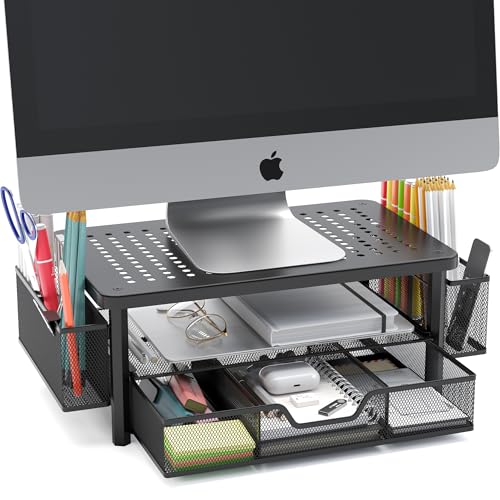
eVoomi FlowMax Ergonomic Desk organizer Computer Monitor Stand -Improved XL Desk Drawer, File Paper Pencil Holders – Pro Posture Eye-Level Tension Relief – Anti-Slip Home Office Supplies Storage Stand for Laptop Monitor or Printer
Upgraded Design – From Decluttered to Commanding – Don’t Just Tidy, Dominate: We upgraded our most popular monitor…
As an affiliate, we earn on qualifying purchases.
As an affiliate, we earn on qualifying purchases.
Conclusion
By practicing mindful multitasking, you can reduce stress and boost productivity. Focus on one task at a time, stay present, and prioritize effectively. Remember, “Jack of all trades, master of none,” so don’t spread yourself too thin. Embrace these evidence-based techniques to juggle less and achieve more with clarity and calm. When you stay mindful, you turn chaos into control, making every moment count.

BestSelf Helm Focus Device – Premium NFC-Powered Phone Distraction Blocker Physical App Blocker Tool for Deep Work, ADHD Focus, and Screen-Free Productivity
🔒 Physical Focus, Reclaimed Power – Crafted from solid aerospace-grade brass, Helm transforms your screen time into real…
As an affiliate, we earn on qualifying purchases.
As an affiliate, we earn on qualifying purchases.

TIME TIMER 12 inch Visual Timer 60 Minute Kids Desk Countdown Clock with Dry Erase Activity Card, Also Magnetic for Classroom, Homeschooling Study Tool, Task Reminder, Home and Kitchen Timer
TIME MANAGEMENT — The 60-minute learning clock helps to stay on task, and assist with organization and concentration…
As an affiliate, we earn on qualifying purchases.
As an affiliate, we earn on qualifying purchases.