

More people now see sunlight as a crucial daily health tool because of its proven benefits, like supporting vitamin D production, improving sleep, and boosting mood. Exposure to natural light helps regulate your sleep-wake cycle, enhances mental clarity, and reduces stress. By spending a few minutes outdoors each day, you can enjoy these advantages safely while aligning with your body’s natural rhythms. Stay tuned to learn how to incorporate sunlight effectively into your routine for better well-being.

Get the latest gadgets delivered free with Prime
- Fast, free delivery on millions of items
- Prime Video, Amazon Music and more included
- Member-only deals all year
Key Takeaways
- Growing awareness of sunlight’s role in vitamin D synthesis promotes its daily use for physical health.
- Regular outdoor exposure helps regulate sleep cycles through melatonin, improving overall rest.
- Sunlight boosts mood by increasing serotonin, reducing stress, anxiety, and depression.
- Safe, intentional sunlight routines balance health benefits with skin protection, encouraging consistent outdoor activity.
- Increased focus on natural, holistic health practices leads more people to integrate sunlight into daily wellness routines.
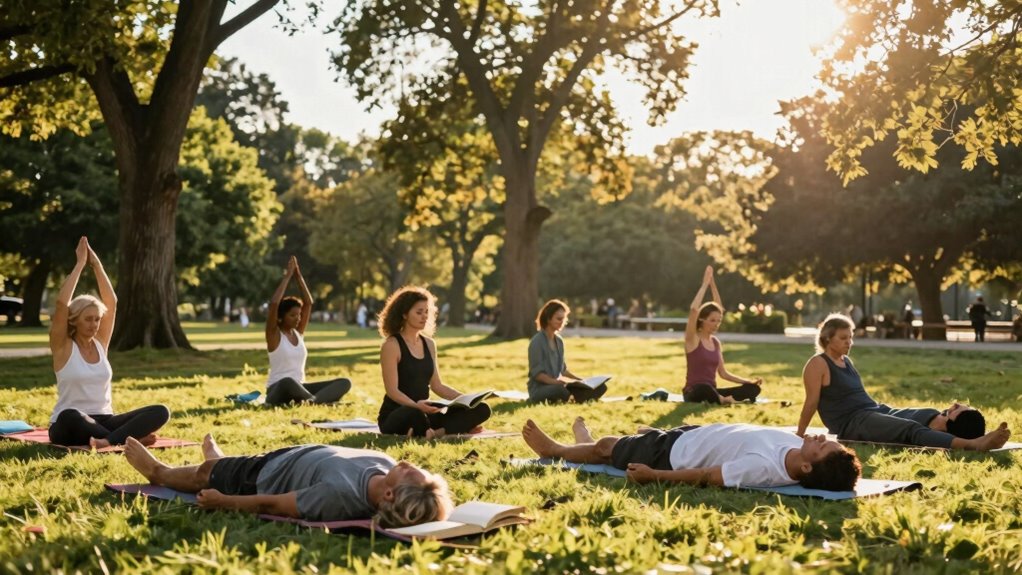
Sunlight isn’t just a source of warmth and energy; it’s a powerful tool for maintaining your overall health. When you spend time outdoors, your body begins to produce vitamin D through a process called vitamin D synthesis. This isn’t just about avoiding deficiency; it plays an essential role in supporting your immune system, bone health, and even your cardiovascular health. Many people are realizing that incorporating daily sunlight exposure helps their bodies function at their best, especially when they balance it with safe practices to prevent overexposure. As you get sunlight, your body naturally absorbs UVB rays, converting cholesterol in your skin into vitamin D, which then enters your bloodstream. This process is especially important because many people don’t get enough vitamin D through diet alone, making sunlight a key, natural source. Sunlight as a Daily Health Tool can also help regulate your sleep-wake cycle by influencing melatonin production, promoting better rest and overall well-being. Beyond physical health, sunlight also notably impacts your mental well-being. When you’re exposed to natural light, your brain responds by releasing mood-enhancing chemicals like serotonin. This is why a walk in the morning sun can help lift your spirits and improve your overall mood. Many studies have shown that people who spend adequate time outdoors tend to experience less stress, anxiety, and depression. As you make sunlight a part of your daily routine, you’re not just supporting your physical health—you’re actively enhancing your mental clarity and emotional resilience. The connection between sunlight and mood enhancement is powerful; it’s a simple yet effective way to boost your happiness and maintain a positive outlook. In recent years, more health-conscious individuals are treating sunlight as a daily health tool, integrating it into routines that promote longevity and quality of life. Instead of avoiding the sun entirely, many are learning to enjoy its benefits safely. You can do this by spending a few minutes outside each day, ideally in the morning or late afternoon, when UV exposure is less intense. This practice helps your body produce enough vitamin D without risking skin damage. Additionally, sunlight’s mood-enhancing effects can be maximized by engaging in outdoor activities, like walking or gardening, which further combine physical movement with mental health benefits. Embracing the natural rhythm of sunlight aligns with principles of virtue and intention, supporting a balanced and mindful approach to health.
Vitamin D supplement for immune support
As an affiliate, we earn on qualifying purchases.
As an affiliate, we earn on qualifying purchases.
Frequently Asked Questions
How Much Sunlight Is Safe to Get Daily?
You should aim for about 10 to 30 minutes of sunlight daily, depending on your skin pigmentation. Lighter skin needs less exposure, while darker skin may require more to produce vitamin D. Try to get sunlight during safe hours, like morning or late afternoon, to avoid skin damage. Keep an eye on your skin’s response and adjust your sunlight timing to balance benefits with protection.
Can Sunlight Improve Mental Health?
Sunlight can notably improve your mental health by boosting mood enhancement and reducing anxiety. When you spend time outdoors, your body produces more serotonin, which helps lift your spirits. Additionally, sunlight exposure can regulate your sleep patterns, further lowering anxiety levels. Incorporate daily sunlight into your routine to experience these mental health benefits firsthand, feeling more energized, balanced, and emotionally resilient.
What Are the Risks of Excessive Sun Exposure?
Excessive sun exposure increases your risk of sunburn, which can be painful and damaging. It also accelerates skin aging, leading to wrinkles, fine lines, and age spots over time. Prolonged exposure raises your chances of skin cancer. To protect yourself, limit your time in direct sunlight, wear protective clothing, and apply broad-spectrum sunscreen. Being mindful of these risks helps you enjoy sunlight safely and maintain healthier skin.
How Does Sunlight Affect Vitamin D Production?
Sunlight acts like a master chef, perfectly cooking up your vitamin D synthesis. When you get sunlight exposure, UVB rays trigger a chemical reaction in your skin, converting cholesterol into vitamin D. This process is crucial for your bone health and immune function. The more consistent your sunlight exposure, the more efficiently your body produces vitamin D, making it a indispensable daily health tool.
Is Sunlight Beneficial for Skin Health?
Sunlight benefits your skin health by promoting vitamin D production, which is essential for your skin’s repair and overall strength. However, you should be cautious about UV radiation safety, as excessive exposure can cause skin damage and increase cancer risk. Balance your time in the sun, wear protective clothing, and use sunscreen. This way, you enjoy the benefits of sunlight while protecting your skin from potential harm.
As an affiliate, we earn on qualifying purchases.
Conclusion
So, it’s funny how life often nudges us in the right direction just when we need it most. As you start embracing sunlight as a daily health tool, you might realize how natural it feels—like catching a warm breeze on a busy day. Sometimes, the smallest change, like soaking up a bit of sunshine, can unexpectedly brighten your mood and boost your health. Who knew that something so simple could make such a big difference?
As an affiliate, we earn on qualifying purchases.
outdoor activity sun protection gear
As an affiliate, we earn on qualifying purchases.
As an affiliate, we earn on qualifying purchases.
Halloween Picks
halloween
As an affiliate, we earn on qualifying purchases.