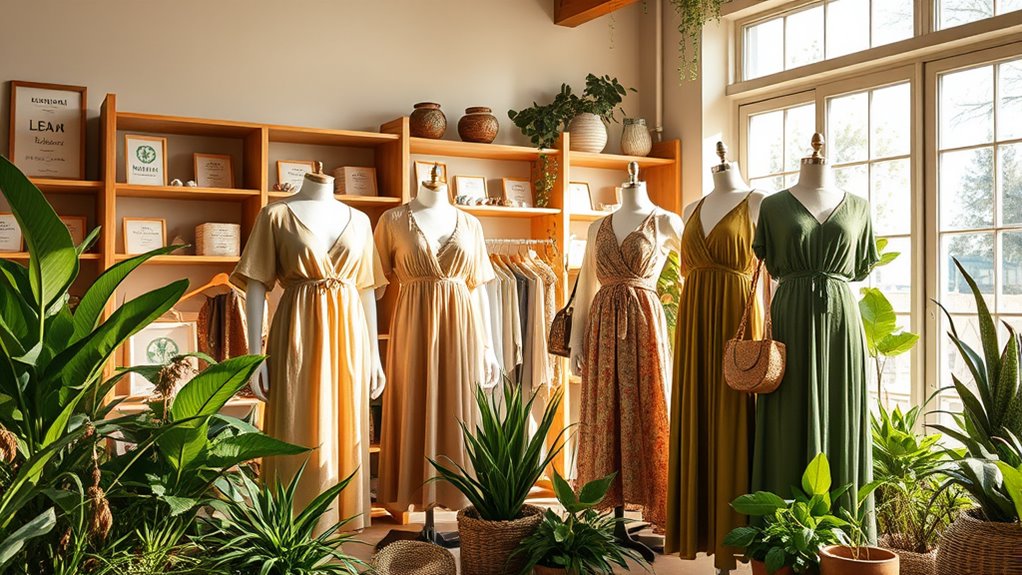

Choosing eco-friendly fashion means opting for sustainable materials like organic cotton, hemp, and recycled fabrics that require fewer chemicals and less water. Support ethical brands that prioritize fair labor practices and transparent supply chains, often producing locally to reduce emissions. Small steps like shopping secondhand or choosing timeless styles help lessen your environmental impact while promoting fair treatment for workers. Keep exploring to discover more simple ways to make your wardrobe both stylish and responsible.

Get the latest gadgets delivered free — and shop member deals
- Fast, free delivery on millions of items
- Access to Prime Big Deal Days deals on October 6–7
- Prime Video, Amazon Music and more included
Key Takeaways
- Sustainable materials like organic cotton, hemp, and recycled fabrics reduce water, chemical use, and environmental impact in fashion.
- Ethical brands prioritize fair labor practices, transparency, and eco-friendly production methods to promote responsible fashion.
- Using innovative eco-friendly textiles such as Tencel and Lyocell supports sustainable manufacturing processes.
- Supporting secondhand shopping and choosing timeless styles extend clothing lifespan and reduce waste.
- Making conscious choices encourages environmentally responsible practices and promotes a fairer, greener fashion industry.
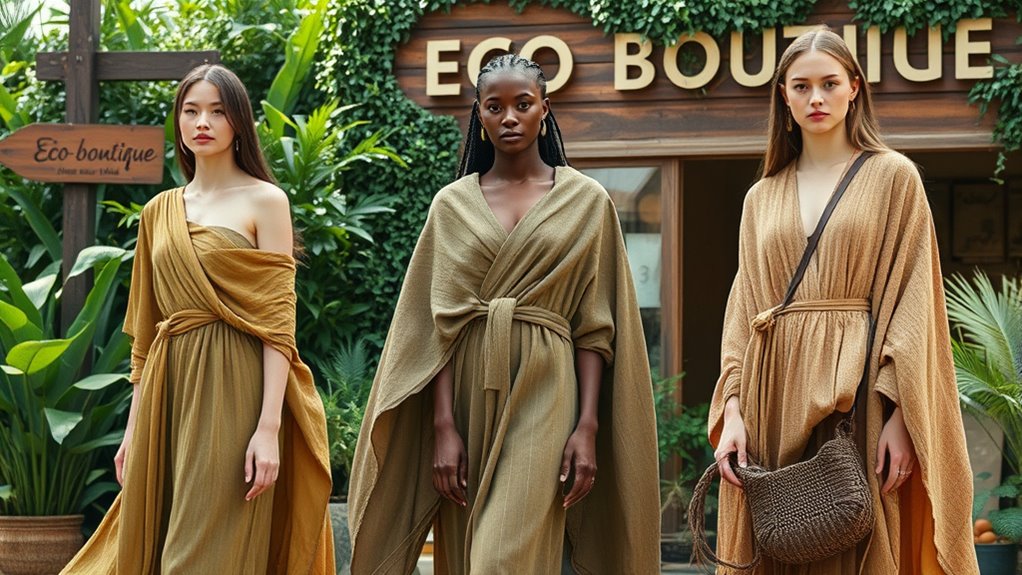
Have you ever wondered how your clothing choices impact the planet? Every time you buy a new shirt or pair of jeans, you’re making a decision that can either harm the environment or support sustainable practices. Fast fashion has made it easy to get trendy pieces at low prices, but it often comes at a hefty environmental cost. The production of conventional textiles relies heavily on water, energy, and chemicals, leading to pollution and resource depletion. By shifting your mindset towards eco-friendly fashion, you can help reduce this damage and promote a more sustainable future.
Your clothing choices can harm or help the planet—choose sustainable fashion to make a positive impact.
One of the key aspects of eco-friendly fashion is the use of sustainable materials. Natural fibers like organic cotton, hemp, and linen are excellent choices because they require fewer pesticides and less water during cultivation. These materials break down more easily and don’t release harmful chemicals into the environment. Recycled fabrics are also gaining popularity, transforming old garments, plastic bottles, and other waste into new textiles. This process reduces landfill waste and decreases the demand for virgin resources. You might also consider materials like Tencel or Lyocell, which are made from sustainably harvested eucalyptus trees using eco-friendly processes that minimize chemical use and water consumption. Additionally, innovative manufacturing techniques are emerging that further lessen environmental impacts, demonstrating the industry’s shift toward sustainability. By choosing clothing made from these materials, you’re making a conscious effort to lessen your carbon footprint.
In addition to sustainable fabrics, ethical brands play a vital role in eco-friendly fashion. These brands prioritize fair labor practices, ensuring workers are paid fairly and work in safe conditions. They often produce their garments locally or in countries with strict labor laws, reducing the environmental impact associated with long-distance shipping. Ethical brands also tend to prioritize transparency, openly sharing their supply chain information and environmental initiatives. Supporting such brands means you’re not only investing in high-quality, durable clothing but also endorsing fair treatment of workers and environmentally responsible manufacturing. Many of these brands also incorporate innovative practices like zero-waste design and biodegradable packaging, further reducing their ecological impact.
Making eco-friendly fashion choices doesn’t require a total wardrobe overhaul. Small steps, like shopping secondhand, choosing quality over quantity, or researching brands’ sustainability policies, can make a difference. You can also prioritize timeless styles that last longer, reducing the cycle of constantly buying new items. By being mindful of your clothing purchases and opting for sustainable materials and ethical brands, you actively contribute to a healthier planet. Every conscious choice you make supports a fashion industry that values the environment and human rights, proving that style and sustainability can go hand in hand.
As an affiliate, we earn on qualifying purchases.
Frequently Asked Questions
How Do Sustainable Fabrics Compare in Durability to Conventional Materials?
Sustainable fabrics often match or even surpass conventional materials in durability. For instance, hemp and recycled polyester are tough and long-lasting, making them great choices. Organic cotton may be softer but still holds up well with proper care. You might notice some eco-friendly textiles require gentle handling, but overall, they can be just as resilient, helping you reduce waste and support ethical brands without sacrificing quality.
What Certifications Should I Look for in Ethical Fashion Brands?
Think of certifications as your fashion compass. Look for labels like Fair Trade, GOTS, and B Corp to guarantee ethical practices. These certifications verify fair wages, safe working conditions, and sustainable production. They’re like a trusted map guiding you through the ethical fashion jungle. By choosing brands with these seals, you support transparency and responsibility, turning your wardrobe into a statement of values that’s both stylish and conscientious.
Are Eco-Friendly Fashion Items More Expensive Than Traditional Clothing?
Eco-friendly fashion items often cost more than traditional clothing because sustainable materials and ethical production methods tend to be pricier. You might notice higher prices due to eco-conscious sourcing, fair wages, and eco-friendly processes. However, investing in these pieces supports environmental and social causes, and they often last longer. While initially more expensive, you may find that their durability and positive impact make them a worthwhile, ethical choice.
How Can I Identify Genuinely Sustainable Brands From Greenwashed Ones?
You can identify genuinely sustainable brands by checking for transparent practices—70% of consumers say transparency influences their purchasing decisions. Look for certifications like Fair Trade, GOTS, or B Corp, which verify ethical standards. Do your research on the company’s supply chain, materials, and labor practices. Avoid brands that make vague claims or lack detailed info. Trust brands that openly share their sourcing and production processes to guarantee you’re supporting truly sustainable fashion.
What Are the Best Ways to Care for Eco-Friendly Clothing to Ensure Longevity?
To keep your eco-friendly clothing lasting longer, wash them in cold water and use eco-friendly detergents. Avoid high heat when drying; instead, hang or lay flat to dry. Limit washing frequency and spot clean when possible. Store garments properly, away from direct sunlight, and follow care labels carefully. These simple steps help preserve the quality of your sustainable pieces and reduce environmental impact.
As an affiliate, we earn on qualifying purchases.
Conclusion
By choosing eco-friendly fashion, you’re not just making a style statement—you’re making a difference. Sustainable materials and ethical brands show you care about the planet and the people who make your clothes. Remember, every small step counts, and the ball’s in your court. So, don’t wait for a perfect moment—start today and wear your values proudly. After all, the early bird catches the worm, and your conscious choices set a shining example.
As an affiliate, we earn on qualifying purchases.
ethical brand eco-friendly apparel
As an affiliate, we earn on qualifying purchases.
As an affiliate, we earn on qualifying purchases.
Fall Picks
fall essentials
As an affiliate, we earn on qualifying purchases.