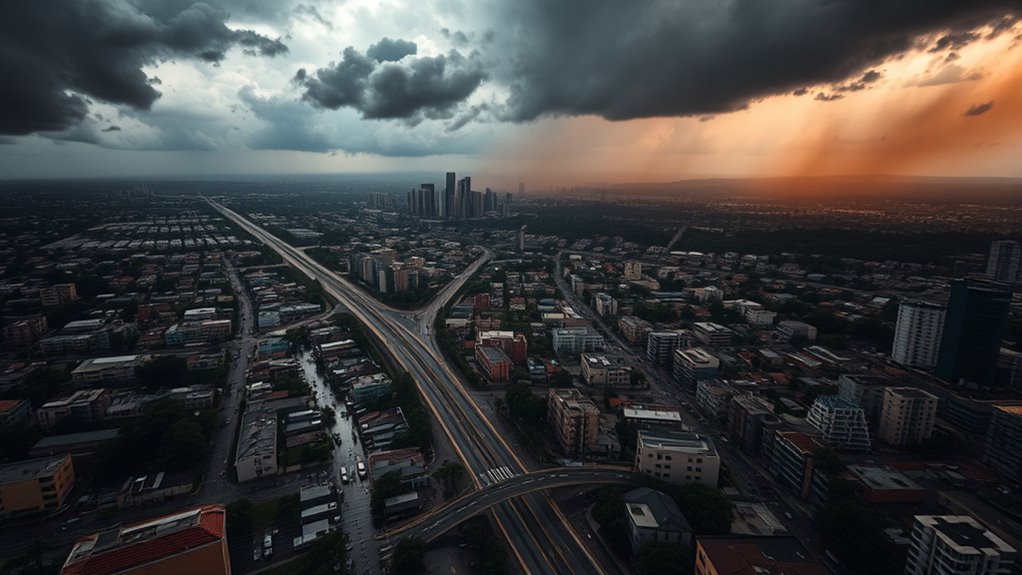

In 2025, climate-related disasters are happening more often and with greater severity, threatening communities worldwide. Hurricanes are stronger and last longer, wildfires grow fiercer, and flooding occurs more unexpectedly. To protect yourself, it is crucial to stay informed and support strategies like resilient infrastructure and early warning systems. By understanding these trends and prevention measures, you’ll discover how proactive steps can reduce risks and improve resilience in the face of these escalating crises.

Get the latest gadgets delivered free with Prime
- Fast, free delivery on millions of items
- Prime Video, Amazon Music and more included
- Member-only deals all year
Key Takeaways
- Climate change has intensified disasters like hurricanes, wildfires, floods, and droughts, making them more frequent and severe in 2025.
- Coastal cities are increasingly threatened by stronger storm surges and flooding due to rising sea levels.
- Prevention relies on early warning systems, resilient infrastructure, community preparedness, and sustainable land use policies.
- Innovative solutions such as flood barriers, fire-resistant materials, and natural barriers help mitigate disaster impacts.
- Society must prioritize awareness, adaptive strategies, stricter building codes, and global cooperation to enhance disaster resilience.
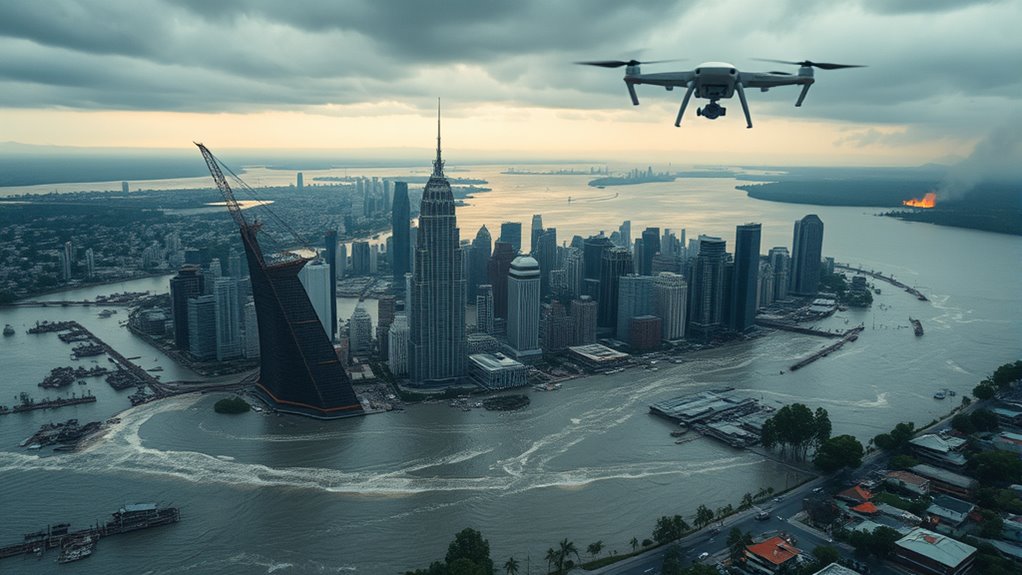
Have climate-related disasters in 2025 caught you off guard? If so, you’re not alone. Despite growing awareness and warnings, many people find themselves unprepared for the frequency and intensity of recent events. As climate change accelerates, natural disasters like hurricanes, wildfires, floods, and droughts have become more severe and unpredictable. You might have witnessed communities struggling to cope with these crises, or perhaps you’ve experienced their impact firsthand. The pattern is clear: climate-related disasters are no longer rare anomalies but persistent challenges that demand urgent attention.
Climate disasters in 2025 reveal urgent need for preparedness and proactive resilience efforts.
In 2025, these disasters have shown distinct trends. Hurricanes have gained strength, lasting longer and causing more destruction. Coastal cities, once considered safe, now face the constant threat of storm surges and flooding. Wildfires rage with greater ferocity, driven by higher temperatures and prolonged droughts. This has led to unprecedented loss of life, property, and ecosystems. Flooding has become more frequent in many regions, often catching residents off guard, especially after heavy rains or rapid snowmelt. Droughts are extending further into traditionally water-abundant areas, straining agriculture and water supplies. These patterns aren’t random; they’re driven by the ongoing impacts of climate change, which continue to intensify. Additionally, the use of innovative early warning systems has become crucial in reducing the impact of these events.
While these trends paint a bleak picture, they also highlight opportunities for prevention and adaptation. You can play a crucial role in reducing risks by staying informed and supporting policies aimed at mitigation. Investing in resilient infrastructure—like flood barriers, improved drainage systems, and fire-resistant building materials—can considerably lessen the damage caused by disasters. Community awareness programs and early warning systems are essential tools that save lives and reduce chaos during emergencies. On an individual level, preparing emergency kits, developing evacuation plans, and staying updated on weather alerts can make a real difference. Governments and organizations are also stepping up by implementing stricter building codes, restoring natural barriers such as wetlands, and adopting sustainable land-use practices.
Prevention isn’t solely about reacting to disasters when they occur; it’s about proactively reducing their impact over time. The more you support efforts to combat climate change and invest in adaptive strategies, the better equipped your community will be to face future crises. Although 2025 has underscored the severity of climate-related disasters, it also serves as a call to action. By understanding the trends and making conscious choices, you contribute to building a safer, more resilient future. The path forward involves collaboration, innovation, and a commitment to protecting both people and the planet from the escalating threats of climate change.
As an affiliate, we earn on qualifying purchases.
Frequently Asked Questions
How Are Vulnerable Communities Prioritized in Disaster Prevention Strategies?
You prioritize vulnerable communities in disaster prevention by actively involving them in planning, ensuring their needs are understood. You allocate resources specifically for at-risk populations, implement targeted education programs, and strengthen infrastructure in these areas. You also collaborate with local leaders to tailor strategies that address unique risks. By focusing on equity, you help reduce disparities, making sure vulnerable communities are better protected and resilient against climate-related disasters.
What Role Do International Collaborations Play in Disaster Mitigation?
International collaborations play a crucial role in disaster mitigation by sharing resources, expertise, and technology across borders. You benefit from coordinated efforts like joint research, funding, and capacity-building initiatives that strengthen early warning systems and response strategies. These partnerships enable you to access vital knowledge and support, helping communities adapt and recover more effectively. By working together globally, you can reduce disaster risks and enhance resilience for everyone involved.
How Will Climate Change Influence Disaster Frequency Beyond 2025?
You’ll likely see more frequent and severe disasters as climate change intensifies, creating a stark contrast between our current stability and future chaos. Rising temperatures and unpredictable weather patterns will push communities to their limits, forcing you to adapt faster and build resilience. While tech and policies can help, the increasing disaster frequency reminds you that urgent global action is essential to prevent an unmanageable crisis beyond 2025.
What Technological Innovations Are Most Promising for Early Warning Systems?
You should focus on innovative technologies like AI-powered predictive analytics, satellite monitoring, and IoT sensors. These tools enable early detection of extreme weather, floods, and wildfires, giving you vital lead time to prepare or evacuate. Combining real-time data with machine learning improves accuracy and responsiveness. Embracing these advancements will help you stay ahead of disasters, ultimately saving lives and reducing damage.
How Can Individual Actions Significantly Reduce Disaster Risks?
Your actions can drastically cut disaster risks—think of it like turning a tiny tap to stop a flood. You can prepare emergency kits, stay informed about weather alerts, and reduce your carbon footprint to slow climate change. Every small step adds up, creating a massive ripple effect. By making conscious choices, you not only protect yourself but also contribute profoundly to community resilience and global efforts to prevent catastrophic disasters.
fire-resistant building materials
As an affiliate, we earn on qualifying purchases.
As an affiliate, we earn on qualifying purchases.
Conclusion
So, in 2025, as you dodge rising floodwaters and dodge fiery wildfires, remember—climate disasters aren’t just nature’s way of throwing a tantrum. They’re your wake-up call, a vivid parade of what’s to come if you ignore the signs. Think of Earth as a stressed-out drama queen, throwing her tantrums in the form of hurricanes and droughts. Maybe it’s time to stop applauding her meltdown and start acting before she really loses it.
As an affiliate, we earn on qualifying purchases.
early warning weather alert system
As an affiliate, we earn on qualifying purchases.
As an affiliate, we earn on qualifying purchases.
Halloween Picks
halloween
As an affiliate, we earn on qualifying purchases.