
You’re noticing how food export bans keep shocking markets, and it’s because countries impose these restrictions during crises like droughts or inflation to protect their own populations. These bans cause shortages and spike prices globally, making supply chains unstable. They also create uncertainty for farmers, traders, and importers, leading to long-lasting disruptions and market volatility. If you want to understand how these policies impact worldwide food security and economy dynamics, keep exploring the factors behind this ongoing trend.

Get the latest gadgets delivered free with Prime
- Fast, free delivery on millions of items
- Prime Video, Amazon Music and more included
- Member-only deals all year
Key Takeaways
- Countries implement export bans during crises to secure domestic food supplies, causing global supply shortages.
- Export restrictions lead to price spikes and increased market volatility worldwide.
- Uncertainty from bans discourages farmers and traders from planting or selling crops.
- Export bans trigger supply chain disruptions, impacting food availability in import-dependent nations.
- Repeated bans create long-term instability, complicating global food security and market resilience.
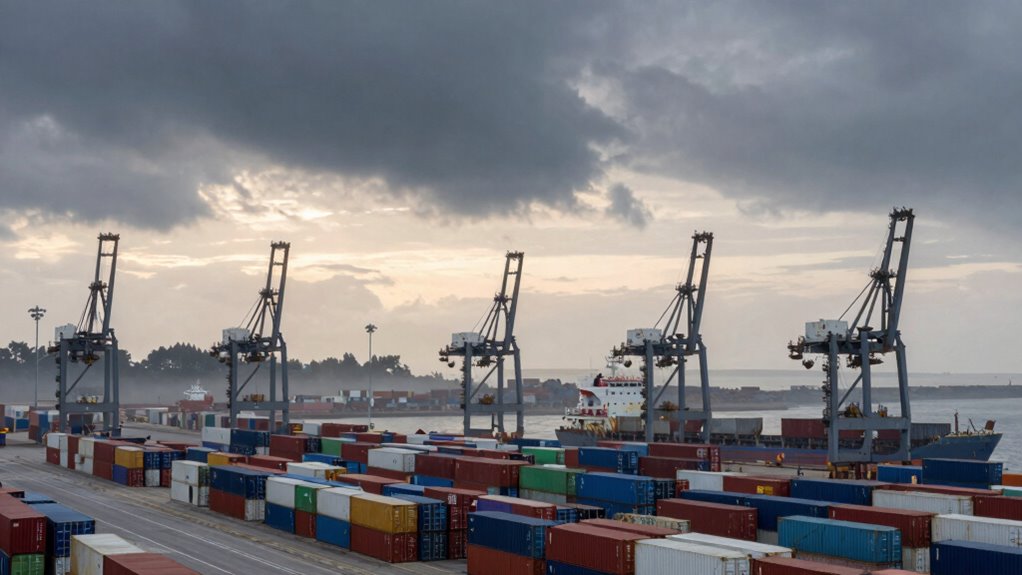
Recently, more countries have implemented food export bans, responding to internal crises like food shortages, inflation, or climate-related disruptions. These bans are often driven by urgent needs to stabilize domestic markets and guarantee food security. But such measures have far-reaching consequences that ripple through global markets, especially when supply chain disruptions become more severe. When a country restricts exports of staple foods like wheat, rice, or corn, it sends shockwaves through international supply chains. Importers suddenly face shortages, prices spike, and trading partners scramble to find alternative sources. These disruptions can last for months or even years, complicating efforts to manage food prices and availability worldwide.
In many cases, these export bans are a direct response to significant agricultural policy changes within countries. Governments may tighten controls to protect their own populations, especially during droughts, floods, or unexpected harvest failures. They might also introduce new policies aimed at promoting local food production, which temporarily limit exports to prioritize national needs. While these agricultural policy changes are understandable under crisis conditions, they often overlook the broader economic impact. When countries decide to restrict exports, they alter global supply and demand dynamics, often leading to increased volatility in food prices. This shift can hurt economies that rely heavily on food imports, pushing them into inflationary spirals and worsening food insecurity.
You might notice that these export bans also trigger a chain reaction in the agricultural sector. Farmers and traders, uncertain about future export opportunities, may hold back on planting or selling crops, fearing further restrictions. This hesitation can result in decreased supply in global markets, driving prices even higher. At the same time, countries that depend on imported food face the challenge of sourcing from fewer suppliers, which increases their vulnerability to geopolitical tensions and trade disputes. The uncertainty created by these bans hampers long-term planning for farmers, exporters, and governments alike. It complicates efforts to stabilize markets and develop resilient food systems against climate change and other shocks.
food storage containers for long-term preservation
As an affiliate, we earn on qualifying purchases.
As an affiliate, we earn on qualifying purchases.
Frequently Asked Questions
How Do Export Bans Impact Global Food Prices Long-Term?
Export bans can raise long-term global food prices by causing supply chain disruptions, limiting the availability of key commodities. You might see market speculation increase as traders anticipate shortages, which further drives prices up. Over time, these bans can reduce food security and create volatility, making it harder for countries to plan and stabilize their markets. This cycle of uncertainty can have lasting impacts on global prices and access.
Which Countries Are Most Frequently Affected by Export Bans?
You often find yourself caught in the crossfire of export bans, especially in countries heavily reliant on agricultural subsidies and trade restrictions. Countries like India, Russia, and Argentina face frequent export bans that ripple across global markets. These nations, driven by internal policies, restrict food exports to protect local supplies, but it’s your access to affordable food that takes the hardest hit, creating chaos in supply and prices worldwide.
What Are the Legal Repercussions of Implementing Export Bans?
You face legal repercussions when implementing export bans, as they can violate international trade restrictions and economic sanctions. Countries may be subject to lawsuits, trade disputes, or sanctions from global organizations like the WTO or UN. You might also face retaliation or loss of trade privileges, which could harm your economy. Ensuring compliance with international laws is vital to avoid these legal consequences and maintain good diplomatic relationships.
How Do Export Bans Influence International Trade Relations?
Imagine you’re sailing the tumultuous seas of international trade like a ship steering through trade embargoes. Export bans strain relations, making countries wary of each other’s intentions. They disrupt global markets, affecting agricultural subsidies and supply chains. Such measures can lead to retaliatory actions, weakening alliances and causing diplomatic rifts. Ultimately, export bans challenge trust, forcing nations to reconsider their trade strategies and fostering a climate of uncertainty.
Can Export Bans Lead to Food Shortages Domestically?
Export bans can definitely lead to food shortages domestically. When countries restrict exports, domestic supply may drop, making it harder for consumers to access enough food. This often causes consumer prices to rise, as demand outpaces supply. You might notice higher grocery bills and limited availability of certain products. These bans disrupt the balance between domestic supply and demand, increasing the risk of shortages and inflation within the country.
As an affiliate, we earn on qualifying purchases.
Conclusion
As you watch countries impose food export bans, it’s clear these measures are like sudden storms disrupting global markets. They may seem like quick fixes now, but they often create ripple effects that hurt everyone in the long run. Staying adaptable and informed is your best bet amid these unpredictable shifts. Just remember, resilience in the face of these bans is like a sturdy ship weathering a storm—you’ll come out stronger on the other side.
food vacuum sealers for bulk storage
As an affiliate, we earn on qualifying purchases.
As an affiliate, we earn on qualifying purchases.
climate-controlled food storage cabinets
As an affiliate, we earn on qualifying purchases.
As an affiliate, we earn on qualifying purchases.
Halloween Picks
halloween
As an affiliate, we earn on qualifying purchases.