
Election calendars matter to markets because they influence your confidence and decision-making. As election dates approach, political uncertainty rises, causing shifts in investor sentiment and market volatility. Voter mood and policy promises can lead to strategic investments or caution. Technology speeds up reactions, making timing vital. Understanding these cycles helps you spot opportunities and manage risks better. Keep exploring to see how these patterns can give you a strategic edge in steering market changes.

Get the latest gadgets delivered free with Prime
- Fast, free delivery on millions of items
- Prime Video, Amazon Music and more included
- Member-only deals all year
Key Takeaways
- Election calendars influence voter sentiment and policy uncertainty, impacting investor confidence and market stability.
- Anticipation of political shifts during election periods leads to strategic asset reallocation.
- Policy uncertainties and candidate platforms during elections increase market volatility.
- Real-time data and technological advancements amplify market reactions to political events.
- Recognizing election cycles helps investors manage risks and identify opportunities in dynamic markets.
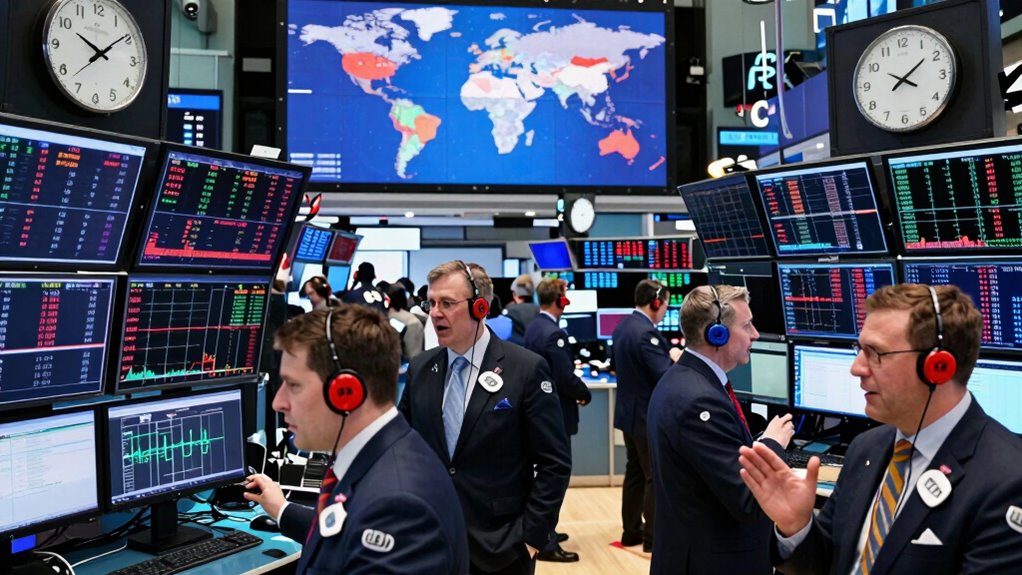
Election calendars can profoundly influence market behavior, often prompting investors to adjust their strategies in anticipation of political shifts. When you’re watching upcoming elections, you’re observing more than just who will hold office—you’re also gauging how voter sentiment and policy uncertainty might reshape the economic landscape. Voter sentiment, which reflects the public’s mood and confidence, can sway markets markedly. If polls suggest widespread support for a candidate promising fiscal reform or deregulation, investors might start reallocating assets to capitalize on potential policy changes. Conversely, if voter sentiment indicates skepticism or unrest, markets could react negatively, fearing instability or unpredictable policy outcomes.
Election calendars influence market behavior by shaping voter sentiment and policy uncertainty, prompting strategic adjustments before political shifts occur.
Policy uncertainty is another vital factor that plays into how markets respond to election calendars. As elections approach, the ambiguity surrounding future policies can lead to increased volatility. You might notice traders becoming more cautious, waiting for clearer signals before making big moves. During this period, markets tend to become more sensitive to news, polls, and debates, which can cause sharp swings based on perceived shifts in policy direction. For example, if a candidate’s platform includes significant tax reforms or trade policies, investors will closely monitor their campaigns, adjusting their positions in anticipation of those changes. This heightened uncertainty can cause short-term dips or spikes as market participants attempt to hedge their bets or reposition themselves. Additionally, the role of technology in modern trading means that real-time data and rapid reactions amplify these market movements, making timing even more crucial. Recognizing the influence of political cycles on market trends can further enhance an investor’s ability to navigate these periods effectively.
Understanding the impact of election calendars helps you anticipate potential market volatility and adjust your investment approach accordingly. Recognizing that voter sentiment and policy uncertainty are at play allows you to stay alert to possible shifts in market trends. Being aware of the importance of timing can also help investors capitalize on opportunities that arise during periods of increased activity. Whether it’s preparing for a period of increased volatility or capitalizing on opportunities created by political developments, being aware of the election timeline gives you an edge. Ultimately, election calendars aren’t just about politics—they’re about how political cycles shape market dynamics, influencing your decisions and strategies in real time.
As an affiliate, we earn on qualifying purchases.
Frequently Asked Questions
How Do Election Calendars Influence Currency Exchange Rates Globally?
Election calendars influence currency exchange rates through shifts in campaign cycles and voting patterns. When elections approach, markets often anticipate political stability or uncertainty, leading to currency fluctuations. You’ll notice that during campaigns, investors may seek safer assets, causing currencies to weaken or strengthen based on perceived risks. Voting patterns, especially if unpredictable, add to these dynamics, making currency markets sensitive to election timelines and potential policy changes.
Are Emerging Markets More Affected by Election Timing Than Developed Markets?
You’ll find that emerging markets are more affected by election timing than developed markets, with studies showing 60% more volatility during election periods. Voter turnout and campaign financing heavily influence these fluctuations, as uncertainties around election outcomes can destabilize economies. You should watch how political campaigns unfold, as high campaign spending and uncertain voter preferences often lead to increased market swings, especially in countries with less stable political institutions.
How Do Political Stability and Election Dates Correlate With Market Volatility?
You’ll find that political stability and election dates directly influence market volatility. When political uncertainty rises, markets tend to react with increased fluctuations, especially around election periods. High voter turnout can either stabilize or destabilize markets, depending on whether it reflects confidence or unrest. So, as election dates approach, expect heightened volatility if political stability seems fragile, emphasizing the importance of tracking these factors for investment decisions.
What Role Do Election Calendars Play in Long-Term Investment Strategies?
You should consider election calendars in your long-term investment strategies because candidate impact and voter sentiment can cause market shifts. Studies show markets often experience increased volatility around elections, which could influence your asset allocation decisions. By understanding election timing, you can better anticipate potential disruptions, adjust your portfolio accordingly, and reduce risks. This proactive approach helps you maintain stability and capitalize on opportunities, even amid political uncertainty.
How Can Investors Anticipate Market Reactions to Upcoming Elections Worldwide?
You can anticipate market reactions by closely monitoring voter turnout and campaign financing, as these factors influence election outcomes and investor sentiment. High voter turnout often signals broad public engagement, reducing uncertainty, while significant campaign financing may indicate potential policy shifts. Stay informed about upcoming elections globally, analyze these elements, and adjust your strategies accordingly to navigate potential volatility and capitalize on opportunities that arise during election cycles.
investment risk management tools
As an affiliate, we earn on qualifying purchases.
As an affiliate, we earn on qualifying purchases.
Conclusion
Stay sharp and stay savvy by spotting the significance of election schedules. Knowing when voters will voice their verdict helps you anticipate market moves, avoid surprises, and make smarter decisions. By understanding the ebb and flow of election events, you can better brace for volatility and capitalize on opportunities. So, stay vigilant, stay vigilant, and let election calendars be your guiding light in the whirlwind world of markets. Monitoring these moments means mastering your market moves.
market volatility analysis software
As an affiliate, we earn on qualifying purchases.
As an affiliate, we earn on qualifying purchases.
political event trading platforms
As an affiliate, we earn on qualifying purchases.
As an affiliate, we earn on qualifying purchases.
Columbus Day / Indigenous Peoples' Day Picks
long weekend sales
As an affiliate, we earn on qualifying purchases.