
TL;DR

Get the latest gadgets delivered free with Prime
- Fast, free delivery on millions of items
- Prime Video, Amazon Music and more included
- Member-only deals all year
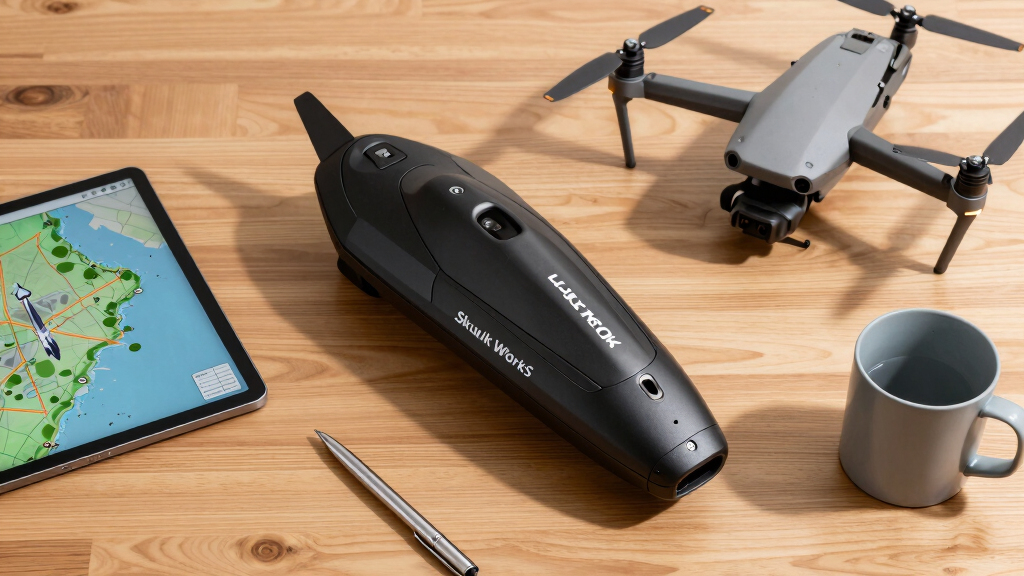
Lockheed Skunk Works has successfully integrated its Command and Control (C2) system to unify Guam’s missile defense network. This development aims to improve regional missile threat detection and response. The project is confirmed and part of ongoing efforts to bolster U.S. missile defense in the Pacific.
Lockheed Skunk Works has completed the integration of its Command and Control (C2) system to unify Guam’s missile defense network, according to official sources. This development is part of ongoing U.S. efforts to strengthen missile defense capabilities in the Pacific region, where Guam serves as a strategic hub.
The integration of Skunk Works’ C2 system consolidates multiple missile defense sensors and intercept systems across Guam into a single operational network. This allows for faster data sharing, improved situational awareness, and more coordinated responses to missile threats. The project reportedly involved close collaboration with U.S. military agencies, and the system is now operational as of early 2024.
Officials from Lockheed Martin confirmed that the C2 system enhances the existing missile defense architecture by providing real-time command and control capabilities. The system is designed to integrate with other missile defense assets, including the Aegis Ballistic Missile Defense System and THAAD (Terminal High Altitude Area Defense), ensuring a cohesive defense posture for Guam and the surrounding region.
Implications for Regional Missile Defense Readiness
This development marks a significant step in modernizing Guam’s missile defense infrastructure, potentially increasing the speed and accuracy of threat detection and response. It underscores the U.S. commitment to maintaining a robust missile defense posture in the Indo-Pacific, especially amid rising regional tensions. The unified network could also serve as a model for other strategic locations in the future, enhancing overall missile defense resilience.
Aegis Ballistic Missile Defense System
As an affiliate, we earn on qualifying purchases.
As an affiliate, we earn on qualifying purchases.
Background on Guam’s Strategic Missile Defense Role
Guam has long been a critical strategic outpost for U.S. military operations in the Indo-Pacific, hosting key missile defense systems to counter regional threats. Over the past decade, efforts have focused on upgrading missile defense capabilities to address evolving threats from advanced missile technology and potential adversaries. Lockheed Martin’s Skunk Works division has been involved in developing cutting-edge command and control systems aimed at integrating these assets into a cohesive network.
The recent unification of Guam’s missile defense network follows previous incremental upgrades, reflecting a broader U.S. strategy to enhance regional missile defense coordination and resilience. This initiative aligns with ongoing modernization efforts across the U.S. military’s Pacific Command.
“The successful integration of the C2 system marks a pivotal advancement in Guam’s missile defense capabilities, enabling faster, more coordinated responses to emerging threats.”
— Lockheed Martin spokesperson
As an affiliate, we earn on qualifying purchases.
Details on System Deployment and Future Upgrades
While the C2 system is confirmed to be operational, it is not yet clear how it will be further integrated with other regional missile defense assets or what additional upgrades may follow. Specifics about the timeline for full operational capability and potential expansion remain undisclosed.
military command and control systems
As an affiliate, we earn on qualifying purchases.
As an affiliate, we earn on qualifying purchases.
Next Steps in Guam’s Missile Defense Enhancement
The focus will now shift to monitoring the system’s performance and conducting operational tests. Officials may also explore further integration with allied defense systems and consider additional upgrades to address emerging threats. Public statements suggest ongoing collaboration between Lockheed Martin and U.S. military agencies to refine and expand the network.
missile defense sensor integration
As an affiliate, we earn on qualifying purchases.
As an affiliate, we earn on qualifying purchases.
Key Questions
What is the Lockheed Skunk Works C2 system?
The C2 system is a command and control platform designed to unify missile defense sensors and interceptors, providing real-time coordination and situational awareness.
Why is unifying Guam’s missile defense network important?
It improves response times, enhances threat detection accuracy, and creates a more resilient defense posture against regional missile threats.
When did the system become operational?
The integration was announced as completed in early 2024, with operational status confirmed by officials.
Are there plans to expand or upgrade the system further?
Details are not yet public, but officials indicate ongoing evaluations and potential future enhancements to address evolving threats.
How does this relate to regional security tensions?
Strengthening Guam’s missile defense is part of broader U.S. efforts to deter regional adversaries and maintain strategic stability in the Indo-Pacific.
Source: google-trends
Halloween Picks
halloween
As an affiliate, we earn on qualifying purchases.