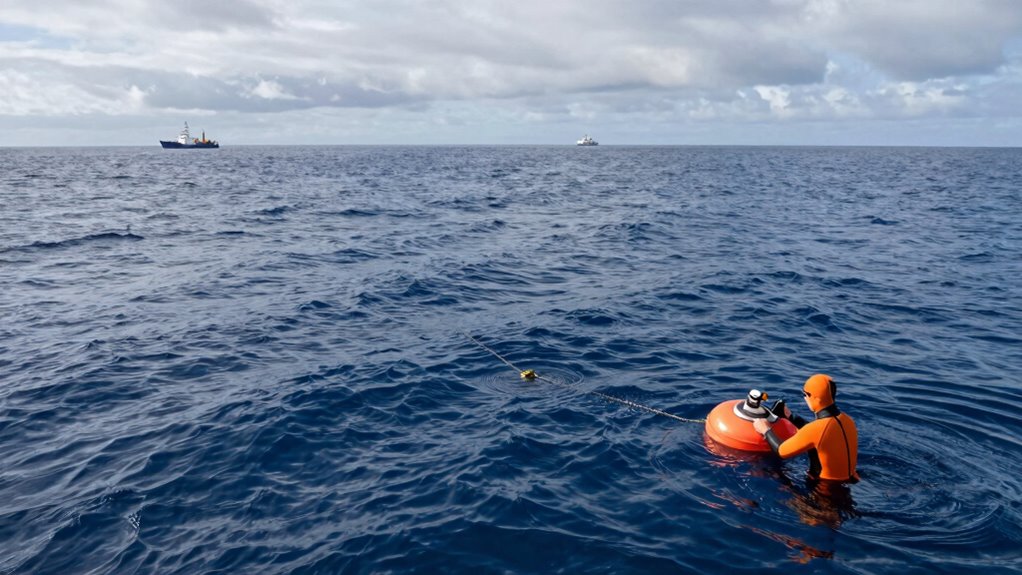

Scientists and policymakers keep watching ocean temperatures because rising heat causes more frequent and severe marine heatwaves that disrupt ecosystems and harm marine life. These heatwaves lead to coral bleaching, habitat loss, and threaten biodiversity. Tracking these changes helps them understand the broader impacts of climate change and develop strategies to protect ocean health. If you want to learn how these efforts influence global environmental efforts, stick around for more insights.

Get the latest gadgets delivered free with Prime
- Fast, free delivery on millions of items
- Prime Video, Amazon Music and more included
- Member-only deals all year
Key Takeaways
- Scientists monitor rising ocean temperatures to track the frequency and severity of marine heatwaves.
- Policy efforts focus on reducing greenhouse gas emissions to mitigate ocean warming impacts.
- Marine heatwaves threaten coral reefs, causing bleaching and ecosystem collapse.
- Data on ocean temperature changes inform conservation strategies and global climate policies.
- Addressing ocean warming is crucial for maintaining marine biodiversity and ecological balance.
Have you ever wondered how changes in ocean temperature affect our planet? It’s a question that scientists and policymakers keep watching closely because the answers reveal a lot about the health of our environment. One of the most striking phenomena linked to rising ocean temperatures is marine heatwaves. These are prolonged periods of abnormally high sea surface temperatures that can last for days or even weeks, and they’re becoming more frequent and severe as global warming accelerates. Marine heatwaves don’t just warm the water; they disrupt entire marine ecosystems. When the ocean heats up unexpectedly, it puts immense stress on marine life, forcing species to migrate, adapt, or face extinction. Coral reefs, in particular, are extremely vulnerable to these temperature spikes.
You might already know that coral reefs are some of the most vibrant and diverse ecosystems on Earth. But when ocean temperatures rise beyond their tolerance, coral bleaching occurs. During bleaching events, corals expel the symbiotic algae living in their tissues, which give them their vivid colors and provide essential nutrients. Without these algae, corals turn stark white and become more susceptible to disease and death. The frequency and intensity of coral bleaching events have skyrocketed in recent years, directly linked to marine heatwaves. When large sections of the reef bleach, it’s not just a loss of color; it’s a loss of habitat for countless marine species and a blow to local economies that rely on tourism and fishing.
As you can imagine, these changes ripple through the entire oceanic environment. Marine heatwaves and coral bleaching serve as alarm bells, signaling that our climate is shifting in ways that threaten the delicate balance of marine ecosystems. Policymakers are paying closer attention to these phenomena because they highlight the urgent need to reduce greenhouse gas emissions and implement conservation strategies. Protecting existing reefs and restoring damaged ones become critical tasks, but they’re only part of the solution. Addressing the root causes of ocean warming is essential to prevent further damage.
Ultimately, the story of ocean temperature is one of interconnected impacts — from the smallest coral polyp to the vast climate systems that regulate our planet. By staying informed and acting responsibly, you can help guarantee that these crucial ecosystems continue to thrive for generations to come. The more you understand about marine heatwaves and coral bleaching, the better equipped you’ll be to support efforts that protect our oceans in a changing world.
Products Worth Considering

Samsung 32-Inch Odyssey OLED G8 (G80SH) 4K Gaming Monitor

Samsung 27-inch Odyssey OLED G6 QD-OLED QHD Gaming Monitor

LG UltraGear 32GX850A-B 32-Inch 4K UHD Glossy OLED Gaming Monitor
As an affiliate, we earn on qualifying purchases.
Frequently Asked Questions
How Do Ocean Temperatures Affect Weather Patterns Worldwide?
You see, ocean temperatures influence weather patterns worldwide through climate feedbacks and ocean circulation. Warmer oceans release heat into the atmosphere, intensifying storms and changing rainfall patterns. As ocean circulation shifts, it redistributes heat globally, affecting climate systems in different regions. These processes can lead to more extreme weather events, such as hurricanes or droughts, making it essential to monitor ocean temperatures for better climate predictions and adaptation strategies.
What Technologies Are Used to Measure Ocean Temperature Accurately?
You use satellite sensors and autonomous buoys to measure ocean temperature accurately. For example, satellite sensors detect surface temperature changes over large areas, providing broad data, while autonomous buoys drift through the ocean, recording precise temperature readings at various depths. These technologies work together to give a thorough picture, helping scientists track climate change impacts and improve weather predictions. Your reliance on them guarantees more accurate, real-time monitoring of our oceans.
How Does Changing Ocean Temperature Impact Marine Biodiversity?
Changing ocean temperatures directly threaten marine biodiversity by causing coral bleaching, which deprives corals of crucial nutrients and disrupts entire ecosystems. You’ll also notice fish migrating to cooler areas, which affects local fisheries and food chains. These shifts can decrease species diversity, threaten endangered species, and destabilize ocean habitats. Overall, rising temperatures force marine life to adapt quickly or face extinction, fundamentally altering the ocean’s delicate balance.
Are There Regional Differences in Ocean Temperature Increases?
You’ll find that ocean temperature increases vary regionally, with some areas warming up twice as fast as others. Coastal variations and regional currents considerably influence these differences, causing localized heating hotspots. For example, the Arctic warms three times faster than the global average, affecting local ecosystems. These disparities highlight the importance of targeted climate policies, as regional changes impact marine life, weather patterns, and coastal communities differently.
What Can Individuals Do to Help Reduce Ocean Warming?
You can help reduce ocean warming through individual actions that lower your carbon footprint. Use energy-efficient appliances, drive less, and switch to renewable energy sources when possible. Reduce, reuse, and recycle to cut waste. Advocate for policies that protect the environment, and support organizations focused on climate action. Small changes add up, making a significant impact on slowing global warming and preserving our oceans for future generations.
Conclusion
As you watch the ocean’s surface shimmer with shifting hues, remember that beneath, unseen currents carry stories of warming waters and changing climates. The gentle ripple of waves masks a deeper urgency—each degree warmer, each shift in temperature, a sign of the planet’s fragile balance. Stay attentive, because the ocean’s silent message is clear: our future depends on understanding and acting before the tide of change becomes unstoppable.