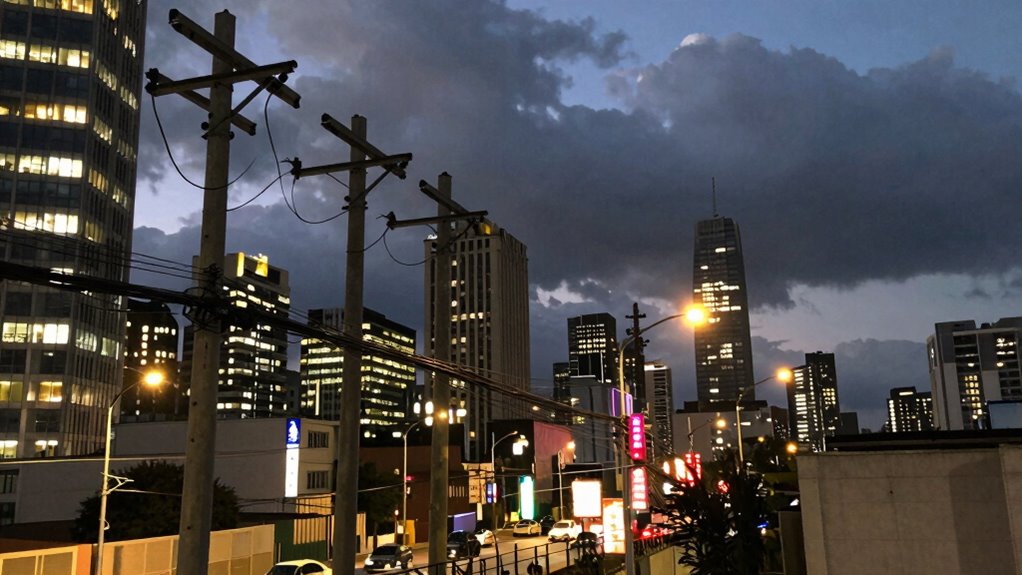

Grid reliability is becoming a bigger political issue because your access to consistent power depends on government decisions that shape energy sources, infrastructure, and regulations. Political priorities like economic growth or environmental concerns influence how quickly upgrades happen and whether clean energy is embraced. Policy inconsistencies and regulatory hurdles can hinder progress, making the system more vulnerable to disruptions. If you want to understand how politics impact your power supply and what’s at stake, keep exploring these interconnected factors.

Get the latest gadgets delivered free — and shop member deals
- Fast, free delivery on millions of items
- Access to Prime Big Deal Days deals on October 6–7
- Prime Video, Amazon Music and more included
Key Takeaways
- Political decisions directly influence energy policies, infrastructure investments, and grid stability, making reliability a key political concern.
- The shift to renewables requires regulatory updates and infrastructure upgrades, often hindered by political and legislative delays.
- Outdated regulations and complex compliance processes slow the integration of new technologies essential for grid resilience.
- Economic and environmental priorities compete, impacting long-term investments and policies critical for reliable energy supply.
- Citizen engagement and advocacy can drive political action towards stable, sustainable, and resilient power systems.
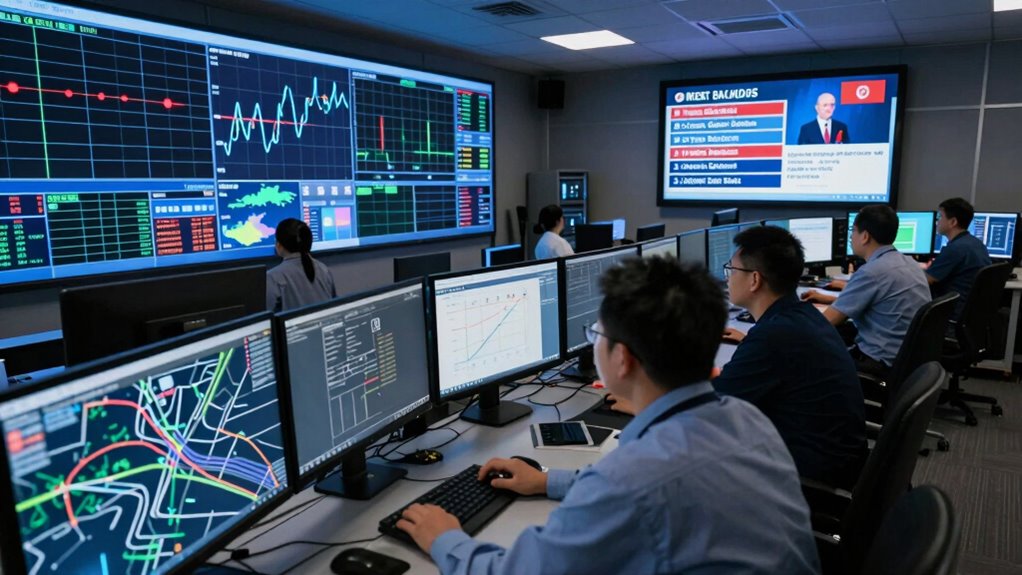
The reliability of the electrical grid is increasingly shaped by political decisions, which can either strengthen or weaken its stability. As governments influence how energy is produced, distributed, and regulated, your access to consistent power depends heavily on these policies. Energy policy, in particular, plays a critical role in determining the mix of energy sources, investments in infrastructure, and the focus on renewable versus traditional fuels. When policymakers prioritize clean energy transitions, they often face regulatory challenges that can slow progress or create uncertainties. These challenges include updating outdated regulations, managing the integration of new technologies, and balancing environmental goals with grid stability.
Political decisions directly impact grid stability, shaping energy sources, infrastructure investments, and regulatory frameworks essential for reliable power.
You might notice that shifts in energy policy lead to fluctuating investments and planning strategies. For instance, if a government enacts policies favoring renewables, utilities and grid operators must adapt quickly to incorporate intermittent sources like wind and solar. This changeover requires substantial infrastructure upgrades and advanced grid technologies, which are often hindered by regulatory hurdles. Regulatory challenges can delay the deployment of critical upgrades, limit access to funding, or impose complex compliance requirements that slow down progress. As a result, the stability of the grid can be compromised if these issues aren’t addressed swiftly. Additionally, inconsistent policies can create uncertainty for investors, discouraging long-term commitments to grid improvements.
Your experience with power outages or fluctuations can become more frequent when political debates stall necessary reforms. When regulatory challenges persist, investments in grid resilience might be insufficient, leaving the system vulnerable to disruptions caused by weather events, cyberattacks, or equipment failures. Conversely, proactive political engagement and clear, supportive policies can facilitate faster upgrades and better risk management. The political landscape can influence how quickly new technologies are integrated and how effectively utilities respond to emerging threats.
Furthermore, regulatory challenges often reflect broader political priorities. Some policymakers may prioritize economic growth over environmental concerns, which can delay the adoption of cleaner energy sources that promise long-term stability but require initial investments. Others might push for rapid transitions that strain existing infrastructure. These conflicting priorities highlight why grid reliability isn’t solely a technical issue but a deeply political one. As a citizen, your role in shaping energy policy and advocating for stable, forward-thinking regulations becomes crucial. The more you understand these challenges, the better equipped you are to engage in discussions that influence policies directly impacting your energy security.
Ultimately, the future of grid reliability hinges on how well political leaders navigate these regulatory challenges and craft all-encompassing energy policies. Their decisions will determine whether your power supply remains resilient, affordable, and sustainable amidst a rapidly changing energy landscape. Recognizing the importance of regulatory environment and technological advancements in this context can help inform more comprehensive and effective policy development. A focus on policy stability can foster continuous progress and reduce uncertainty for stakeholders involved in energy infrastructure. Understanding the political influence on energy systems can also promote more informed and engaged citizen participation in shaping future policies.
home surge protector with grid stability monitoring
As an affiliate, we earn on qualifying purchases.
As an affiliate, we earn on qualifying purchases.
Frequently Asked Questions
How Do Weather Events Impact Grid Stability?
Weather events directly impact grid stability by causing power outages and damaging infrastructure. Heavy storms, hurricanes, or extreme cold can overload systems, leading to failures. To improve climate resilience, you need robust storm preparedness plans that include backup power sources and reinforced equipment. This way, you help guarantee continuous electricity supply during severe weather, minimizing disruptions and safeguarding communities from prolonged outages caused by unpredictable weather events.
What Role Do Renewable Energy Sources Play in Grid Reliability?
Renewable energy sources play a crucial role in grid reliability through renewable integration, which involves smoothly adding solar and wind power into the existing grid. However, because these sources can be intermittent, storage solutions like batteries become essential. They store excess energy during high production and release it during low production, ensuring a stable power supply and maintaining grid reliability despite the variability of renewable sources.
How Are Outages Affecting Local Economies?
Outages can cripple local economies, causing disruptions so severe they feel like economic earthquakes. When the grid falters, businesses halt, jobs vanish, and communities face chaos. These events threaten grid resilience and economic resilience alike, turning everyday activities into crises. You might find yourself scrambling for essentials or losing income, revealing just how crucial a reliable power supply is for steady economic growth and community stability.
What Is the Cost of Upgrading Aging Infrastructure?
Upgrading aging infrastructure costs a significant amount, often running into billions, and involves addressing economic implications like increased debt and higher taxes. You’ll face investment challenges because funding these projects requires balancing short-term expenses with long-term benefits. While the upfront costs are high, investing now can prevent costly outages later, boosting overall grid reliability and economic stability. It’s a strategic choice with substantial financial and societal impacts.
How Do Cybersecurity Threats Threaten Grid Security?
Cybersecurity threats threaten grid security by exposing vulnerabilities to cyber attack vulnerabilities and data breach risks. If hackers exploit these weaknesses, they can disrupt power flows, cause outages, or damage infrastructure. You need robust security measures, constant monitoring, and quick response plans to protect against such threats. Staying ahead of cybercriminal tactics is essential to maintaining a reliable, secure grid that keeps your community powered and safe.
backup power generator for grid outages
As an affiliate, we earn on qualifying purchases.
As an affiliate, we earn on qualifying purchases.
Conclusion
As you watch the power flicker and fade, it’s clear that grid reliability isn’t just a technical issue—it’s a political battleground. Just like a fragile bridge strained under heavy traffic, our energy infrastructure teeters on the edge, vulnerable to decisions made at the top. When politics and power intertwine, the stability you rely on can suddenly vanish, leaving communities in darkness. In this delicate dance, your access to electricity depends on choices made far beyond your control.
As an affiliate, we earn on qualifying purchases.
As an affiliate, we earn on qualifying purchases.
Fall Picks
fall essentials
As an affiliate, we earn on qualifying purchases.