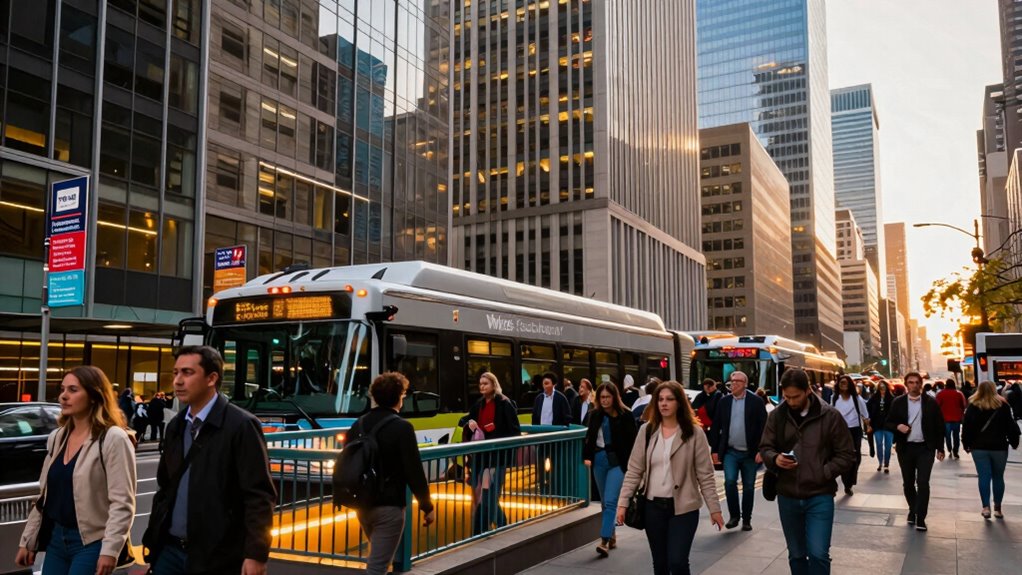

Public transit is back at the center of city policy debates because it directly impacts economic growth, social equity, and sustainability. You see, transit shapes communities, improves quality of life, and offers affordable transportation for everyone. As funding disparities grow, addressing these gaps becomes vital. By focusing on equitable transit investments, cities can reduce congestion and promote inclusive development. Keep exploring how strategies and policies are shaping the future of urban mobility and community well-being.

Get the latest gadgets delivered free — and shop member deals
- Fast, free delivery on millions of items
- Access to Prime Big Deal Days deals on October 6–7
- Prime Video, Amazon Music and more included
Key Takeaways
- Growing awareness of transit’s role in promoting economic growth and social equity in urban development.
- Increased emphasis on equitable funding to address disparities in underserved communities.
- Climate concerns and congestion issues push cities to prioritize sustainable transit solutions.
- Recent investments and grants highlight transit as a key driver of inclusive, resilient cities.
- The push for fair and accessible transportation underscores transit’s importance in future urban policy.
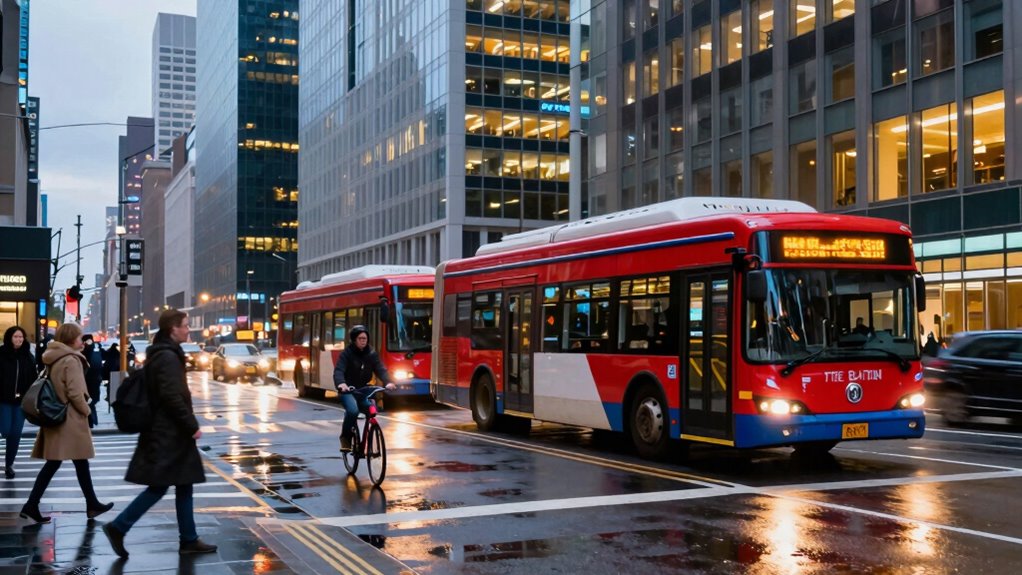
Have you ever wondered how public transit shapes the future of city living? It’s a crucial part of urban life, influencing everything from economic growth to social equity. Recently, city policymakers are paying more attention to transit because they recognize its power to transform communities and improve quality of life. But it’s not just about building more buses or trains; it’s about guaranteeing everyone benefits equally. That’s where transit equity comes into play. Transit equity means making sure that all residents, regardless of their income, race, or neighborhood, have access to reliable, affordable transit options. When transit systems are accessible to everyone, cities become more inclusive, allowing people to reach jobs, healthcare, and education easily. This focus on equity is a response to past neglect, where underserved communities often faced limited transportation choices, trapping them in cycles of poverty and social isolation. Ensuring equitable transit also involves addressing funding disparities, which remain a major hurdle. Some neighborhoods or regions get more investment because they’re wealthier or more politically influential. As a result, transit services in underserved areas are often underfunded or outdated, widening existing inequalities. This imbalance fuels frustration among residents who rely on transit the most but see little improvement or support. City leaders now realize that equitable transit requires targeted funding strategies to bridge these gaps. They’re exploring new funding sources, such as state and federal grants, to ensure marginalized communities aren’t left behind. They’re also reevaluating how resources are allocated, shifting focus toward underserved neighborhoods that need transit improvements the most. Recognizing that transit accessibility is essential for fostering equitable urban development, policymakers are increasingly prioritizing these efforts. The renewed emphasis on public transit in city policy debates is driven by the recognition that transit isn’t just about moving people from point A to B. It’s about shaping resilient, sustainable, and just communities. When transit systems are equitable and well-funded, they become engines of economic opportunity, reducing traffic congestion and lowering emissions. As a city resident, you might notice these debates influencing your daily commute, neighborhood development, and access to essential services. Policymakers are increasingly aware that creating a fair and effective transit system demands addressing funding disparities head-on and prioritizing transit equity. It’s about building a future where everyone has a seat at the table, and public transit serves as a true equalizer for all city residents.
public transit accessibility devices
As an affiliate, we earn on qualifying purchases.
As an affiliate, we earn on qualifying purchases.
Frequently Asked Questions
How Does Public Transit Impact Local Economies?
Public transit boosts local economies by increasing transit accessibility, making it easier for people to reach jobs, shops, and services. When fare affordability improves, more residents can use transit, stimulating economic activity. Enhanced transit systems attract businesses and tourists, creating jobs and increasing revenue. By investing in accessible transit, you help reduce transportation costs and expand economic opportunities for all, fostering a more vibrant, inclusive community.
What Are the Environmental Benefits of Investing in Transit?
Investing in transit can slash carbon emissions faster than you’d believe, transforming your city into a beacon of sustainable development. You’ll see cleaner air, healthier communities, and a dramatic reduction in reliance on fossil fuels. Public transit’s environmental benefits are staggering—they cut down greenhouse gases, conserve energy, and promote eco-friendly growth. By supporting transit, you’re actively shaping a greener future, proving your city’s commitment to sustainable development and real carbon reduction.
How Do Cities Fund Public Transit Projects?
Cities fund public transit projects through a mix of sources, including public-private partnerships and innovative financing methods. You’ll see governments allocate budgets, but they also attract private investments to share costs and risks. Innovative financing options like transit-oriented development taxes or bonds help raise funds efficiently. By combining these approaches, cities can develop and maintain transit systems without overly burdening taxpayers, ensuring sustainable and expanded public transportation.
What Challenges Do Transit Agencies Face During Expansion?
You face funding hurdles that can delay or limit transit expansion projects. Securing enough money often means maneuvering complex budgets and political hurdles. Community engagement becomes vital, as gaining public support helps justify investments and address local concerns. Without strong community backing, projects may stall. Balancing financial constraints with community needs is a constant challenge, but it’s essential for successful transit expansion that benefits everyone.
How Does Public Transit Improve Urban Mobility?
Public transit improves urban mobility by increasing transit accessibility, making it easier for you to reach destinations quickly and reliably. It reduces traffic congestion, so your commute is smoother and less stressful. Plus, a focus on rider experience guarantees comfort and convenience, encouraging more people to choose public transit over driving. As a result, cities become more connected, sustainable, and accessible, benefiting everyone in the community.
As an affiliate, we earn on qualifying purchases.
Conclusion
As cities rethink their priorities, public transit’s role is more critical than ever. Will investments truly transform urban life and reduce congestion? Or will challenges hold back progress? The future of city living hinges on these choices, and you’re part of the story. Stay tuned—what happens next could reshape your daily commute, your neighborhood, and your city’s destiny. The next chapter is unfolding—are you ready to see what’s coming?
As an affiliate, we earn on qualifying purchases.
As an affiliate, we earn on qualifying purchases.
Fall Picks
fall essentials
As an affiliate, we earn on qualifying purchases.