

A US federal government shutdown happens when Congress can’t agree on funding the government, causing many services to pause and federal employees to be furloughed. It typically results from political disagreements over budgets, immigration, or healthcare, and affects everything from national parks to public safety. Local economies and public trust also suffer during a shutdown. To understand how these issues unfold and their wider effects, keep exploring the causes and impacts further.
Key Takeaways
- A government shutdown occurs when Congress fails to pass funding bills before the fiscal year begins on October 1st.
- Political disagreements over issues like immigration, healthcare, or spending levels often trigger shutdowns.
- Non-essential federal services and agencies suspend operations, affecting public access and delaying government services.
- Federal employees face furloughs, leading to financial hardship, while local economies dependent on federal activities suffer.
- Prolonged shutdowns erode public trust, impact economic growth, and require bipartisan efforts to resolve and prevent future closures.

A US federal government shutdown occurs when Congress fails to pass funding legislation, forcing non-essential government operations to halt. When this happens, many federal agencies and services temporarily shut down, affecting millions of Americans. You might notice delays in processing visas, passports, and other federal applications, or experience reduced hours at national parks and museums. The shutdown happens because Congress and the President can’t agree on budget priorities or face political disagreements, often over contentious issues like immigration, healthcare, or spending levels. These disagreements lead to a stalemate, preventing the passage of necessary appropriations bills that fund government operations for the upcoming fiscal year.
During a shutdown, essential services such as national security, air traffic control, and emergency response continue to operate, but many others do not. You may find that federal employees are furloughed, meaning they are temporarily sent home without pay, which can cause financial stress for thousands. Some government contractors might also face payment delays. The disruption extends beyond federal employees; local businesses that depend on tourism or federal contracts can see declines in revenue, impacting local economies. For you, as a citizen or traveler, it might mean longer wait times, canceled flights, or limited access to public lands and facilities.
During a shutdown, essential services continue, but many federal employees and contractors face delays, impacting local economies and travelers.
The causes of a shutdown are deeply rooted in political disagreements. Congress must pass appropriations bills before the new fiscal year begins on October 1st. If they can’t reach an agreement by then, the government runs out of funding, and a shutdown ensues. Often, it’s a matter of differing priorities—one party might push for increased spending on certain programs, while the other seeks budget cuts or policy changes. Sometimes, shutdowns are used as leverage in negotiations, but the consequences tend to be widespread and immediate.
The impacts of a shutdown are far-reaching. You might see economic consequences, such as reduced government spending, which can slow economic growth. Consumer confidence can dip, and financial markets may react negatively. Public health and safety could also be affected if health agencies or regulatory bodies are hampered by reduced staffing. For individuals relying on federal assistance programs, delays or disruptions can cause hardship. Additionally, Vetted – ID Times highlights that prolonged shutdowns can also impact the accuracy and availability of government data, further complicating decision-making for citizens and businesses alike.
Ultimately, a shutdown demonstrates how political gridlock can directly affect your daily life, from the services you depend on to the broader economy. While Congress often aims to resolve the deadlock quickly, prolonged shutdowns can erode trust in government institutions and highlight the urgent need for bipartisan cooperation to keep essential functions running smoothly.
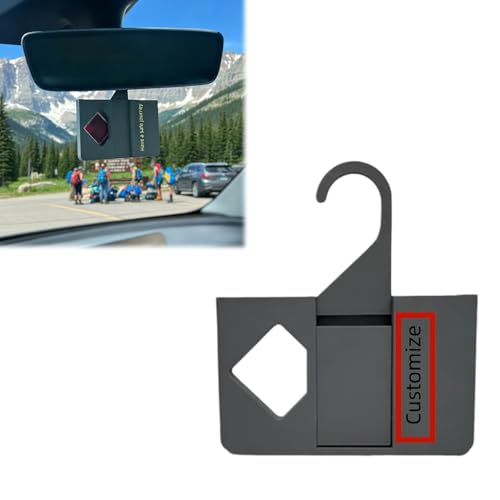
The Beautiful National Park Pass Card Hanger and Cover – UV Resistant ASA Plastic Mirror Hook Holder with 2 Hooks, Snug Fit for Easy Access
UV RESISTANT ASA PLASTIC: Built with strong, high-heat-tolerant ASA plastic that resists UV rays and will not soften…
As an affiliate, we earn on qualifying purchases.
As an affiliate, we earn on qualifying purchases.
Frequently Asked Questions
How Often Do Government Shutdowns Occur Historically?
Historically, government shutdowns happen roughly every few years, with 20 occurring between 1976 and 2023. You might notice they often last from a few days to several weeks, depending on political disagreements. While not an everyday event, these shutdowns tend to increase during times of political polarization. They disrupt federal services, delay paychecks for some workers, and highlight ongoing budget conflicts you should stay aware of during political debates.
What Is the Role of Congress in Ending a Shutdown?
Congress plays a vital role in ending a shutdown by passing legislation to fund the government. When a shutdown happens, you see Congress scrambling like frantic bees, debating and negotiating fiercely. Their goal? Reach a consensus and pass a bill that restores funding. If they don’t act quickly, the shutdown drags on, causing chaos, but swift congressional action can stop the chaos in its tracks and reopen the government.
How Does a Shutdown Affect Federal Employees Financially?
During a shutdown, you might not get paid on time, and your paycheck could be delayed or reduced. Federal employees often face financial stress because they can’t perform their duties or receive their salaries until Congress resolves the shutdown. If you’re affected, you may need to find alternative ways to cover expenses. Some employees might qualify for emergency funds or unemployment benefits, but these aren’t guaranteed.
Can Government Shutdowns Be Prevented in the Future?
You can’t completely prevent government shutdowns, but you can reduce their likelihood by advocating for bipartisan agreements and stable funding processes. Engaging with policymakers, urging them to prioritize long-term budgets, and supporting bipartisan compromises help create more consistent government operations. Staying informed about legislative negotiations also allows you to hold representatives accountable and push for measures that minimize shutdown risks, ensuring smoother functioning of government services.
What Are the Long-Term Economic Consequences of Shutdowns?
You might face long-term economic consequences like slowed growth, increased borrowing costs, and reduced investor confidence. Shutdowns can disrupt government services, delay payments, and hurt businesses relying on federal contracts. Over time, these disruptions weaken economic stability and damage the country’s financial reputation. If shutdowns happen repeatedly, they can undermine trust in government, making future economic planning and growth more difficult for you and the broader economy.

Roadtofree Travelers Notebook Accessories Kit for Passport Size – Kraft Folder, Zipper Case, Pen Holder & Binder Clip and 2 Elastic Bands (Standard Size)
All-in-One Starter Kit for Passport Notebooks:Perfect for beginners and travel journal lovers—combines 5 must-have accessories in one set….
As an affiliate, we earn on qualifying purchases.
As an affiliate, we earn on qualifying purchases.
Conclusion
A government shutdown can feel like the sky is falling, but remember, it’s a temporary storm. While it disrupts services and shakes confidence, the resilience of the American system is incredible—you’re part of a nation that bounces back stronger every time. Stay informed, stay patient, and know that behind the scenes, dedicated people are working tirelessly to restore normalcy. Together, we can weather any political tempest that comes our way.

Visas for France (US Version 2025): A Plain English Guide to Getting the Correct Visa for France (US version – 2025) (Moving to France)
As an affiliate, we earn on qualifying purchases.
As an affiliate, we earn on qualifying purchases.

Dr.meter Ear Muffs for Noise Reduction: 27.4SNR Noise Cancelling Headphones for Kids Adults, EM100 Adjustable Hearing Protection Earmuffs for Monster Jam, Autism Sensory, Concerts, Fireworks
【Extremely Comfortable to Wear】: Wrap your child's ears in cloud-like softness! Dr.meter noise cancelling headphone is made of…
As an affiliate, we earn on qualifying purchases.
As an affiliate, we earn on qualifying purchases.