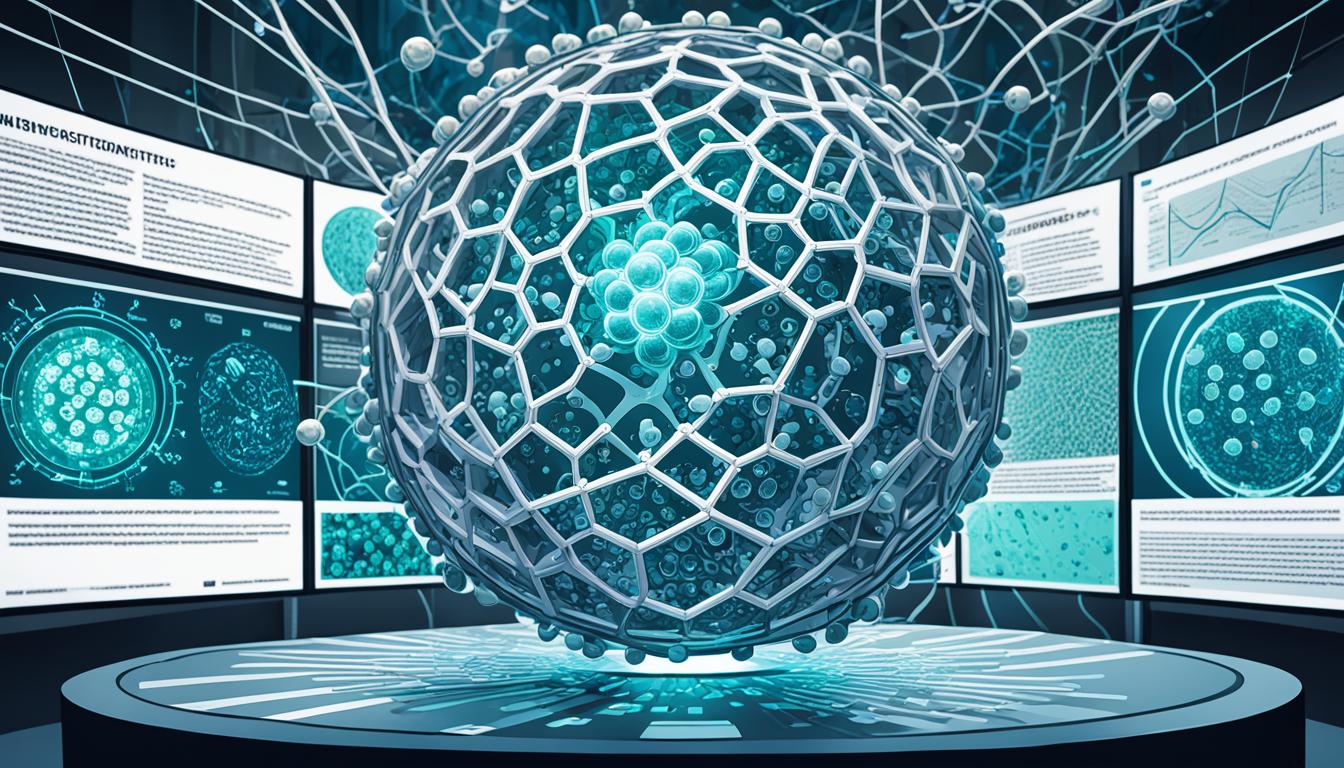

Rna-built droplet hubs are specialized, membrane-free compartments formed through phase separation, using RNA as a scaffold to organize proteins and regulate cell functions. In kidney cancer, these structures often become disrupted, helping cancer cells hijack normal processes to grow and survive. Targeting their formation or stability could offer new treatment options by restoring healthy cellular organization. Curious to discover how researchers are developing therapies that manipulate these molecular hubs for cancer control?
Key Takeaways
- RNA-driven droplet hubs are crucial for cellular organization and stress response, influencing kidney cell function.
- Disruption of droplet hub dynamics is linked to kidney cancer progression and tumor development.
- Targeting RNA scaffold formation or stability in droplet hubs offers a novel therapeutic approach for kidney cancer.
- Modulating the composition or dissolution of these compartments could restore normal cellular processes in cancer cells.
- Understanding droplet hub mechanisms enables the development of precision treatments targeting cellular architecture in kidney cancer.

Have you ever wondered how cells organize their internal environment so efficiently? Inside every cell, there are tiny, specialized regions called droplet hubs that act like bustling command centers. These droplets aren’t surrounded by membranes like traditional organelles; instead, they form through a process called phase separation, where specific molecules clump together to create distinct, functional compartments. Recent research has uncovered that many of these droplet hubs are built from RNA molecules, making them dynamic and adaptable. This discovery opens up exciting possibilities, especially in the context of diseases like kidney cancer, where abnormal cellular organization often plays a role.
RNA, typically known for its role in protein synthesis, also serves as a scaffold within these droplet hubs. It attracts and concentrates particular proteins, facilitating reactions and interactions that are indispensable for cell function. Think of RNA as a kind of molecular glue that holds different components together, creating microenvironments that optimize biochemical processes. These RNA-built droplets can respond quickly to cellular signals, changing their composition or dissolving when no longer needed. Because they are so adaptable, they help cells manage stress, regulate gene expression, and control other essential functions seamlessly. Additionally, understanding the mechanisms behind phase separation can provide insights into how to manipulate these structures for therapeutic benefits.
RNA acts as a molecular glue, forming adaptable compartments that regulate cell functions and respond to signals.
In kidney cancer, the behavior and organization of these droplet hubs can become disrupted. Cancer cells often hijack normal cellular mechanisms, including those involving RNA-based droplets, to promote uncontrolled growth and evade cell death. Scientists have observed that the composition and dynamics of these droplet hubs change markedly in cancerous tissues. This means that the usual balance of cellular processes is thrown off, contributing to tumor development and progression. Recognizing this, researchers see the potential to target these RNA-built droplets as a novel approach for therapy.
By focusing on these droplet hubs, you could develop drugs that interfere with their formation or stability, selectively impacting cancer cells without harming healthy tissue. Since these RNA-based structures are different in cancer cells compared to normal ones, treatments could be designed to disrupt their abnormal organization, potentially halting tumor growth or making cells more susceptible to existing therapies. This strategy is promising because it targets a fundamental aspect of cell biology that cancer cells rely on heavily, offering a new avenue beyond traditional treatments like surgery, radiation, or chemotherapy.
Ultimately, understanding and manipulating RNA-built droplet hubs could revolutionize kidney cancer therapy. It shifts the focus toward the cell’s internal architecture, giving you a fresh perspective on how to combat this disease at the molecular level. As research advances, these tiny, RNA-driven compartments might become powerful tools in your fight against cancer, offering hope for more precise, effective treatments in the future.

Beating Cancer with Nutrition (Fourth Edition) Rev
As an affiliate, we earn on qualifying purchases.
As an affiliate, we earn on qualifying purchases.
Frequently Asked Questions
How Do Rna-Built Droplet Hubs Differ From Traditional Drug Targets?
You’ll find that RNA-built droplet hubs differ from traditional drug targets because they’re dynamic, phase-separated structures formed by RNA and proteins, rather than static molecules like enzymes or receptors. This means they can regulate cellular processes in real-time, offering new ways to intervene. Unlike traditional targets, which often require inhibitors to block activity, these hubs can be modulated by small molecules or RNA-based therapies that influence their assembly or disassembly.
What Specific Kidney Cancer Types Are Affected by These Droplet Hubs?
You’ll find that clear cell renal cell carcinoma (ccRCC) is the primary kidney cancer affected by these RNA-built droplet hubs. These hubs seem to hold the key to revolutionizing treatment for this aggressive cancer, potentially halting its deadly advance. Other types, like papillary or chromophobe kidney cancers, might also be influenced, but ccRCC is where the most groundbreaking impact is expected, making it a game-changer in targeted therapy.
Are There Existing Therapies Targeting Rna-Built Droplet Hubs?
Currently, there are no approved therapies specifically targeting RNA-built droplet hubs. Researchers are still exploring these structures as potential therapeutic targets, but clinical applications are not yet available. You should stay informed about ongoing studies, as future treatments might develop that focus on disrupting or modifying these droplet hubs to combat kidney cancer effectively. Keep an eye on scientific advancements for new options that could benefit you.
What Are the Potential Side Effects of Targeting These Droplets?
Targeting RNA-built droplet hubs might cause unintended effects, like disrupting normal cell functions or gene regulation. You could experience immune responses or toxicity if healthy cells are affected, and there’s a risk of interfering with essential biological processes. While these therapies hold promise, the potential side effects remind you to weigh benefits carefully against possible risks, emphasizing the need for thorough testing before widespread use.
How Soon Could Treatments Based on This Research Become Available?
You could see treatments based on this research within the next 5 to 10 years, but it depends on how quickly clinical trials progress and regulatory approvals happen. Scientists are actively working to translate these findings into therapies, so if all goes well, you might benefit from new options in the foreseeable future. Keep an eye on updates from research institutions and healthcare providers for the latest timelines.

3D Molecular Designs Flow of Genetic Information Kit 1-Group Set: Educational Biology Kit – DNA Replication, Transcription, Translation – High School & Undergraduate Students
Identify essential enzymes like helicase and polymerase
As an affiliate, we earn on qualifying purchases.
As an affiliate, we earn on qualifying purchases.
Conclusion
In summary, targeting RNA-built droplet hubs offers a promising path for precise kidney cancer therapy. By blocking these biological bastions, you can break the barrier to better treatments. This breakthrough beckons a brighter, bolder battle against kidney cancer. Embrace this innovative insight, and you’ll be stepping into a smarter, stronger strategy. With focused focus on these fascinating facets, you’re fueling future findings and forging fresh futures for fighters fighting fierce foes.

4D Plant Cell Anatomy Model, Removerable Biology Teaching Models with 26 Parts, Plant Cell Organ Anatomy Model for Display Teaching
Hand-drawn: The model is drawn by fine hand. All parts fit into each other. Provide a realistic, scientific…
As an affiliate, we earn on qualifying purchases.
As an affiliate, we earn on qualifying purchases.

Premier Research Labs RenaVen – Premier Kidney Support for Kidney Cleanse Detox and Repair | Improve Kidney Function and Urinary Support with Fermented Cordyceps – 60 Plant-Source Capsules
KIDNEY SUPPORT: Experience optimal kidney health with RenaVen, a specialized dietary supplement crafted to enhance kidney function and…
As an affiliate, we earn on qualifying purchases.
As an affiliate, we earn on qualifying purchases.