Freeze drying might sound similar to dehydration, but the science behind it is totally different. Instead of just removing water with heat, freeze drying freezes the food first and then uses sublimation to turn ice directly into vapor, bypassing liquid. This process preserves flavors, textures, and nutrients much better. It’s a highly precise method that relies on advanced technology, ensuring your food stays close to fresh even after long storage. To discover more about how it works, keep exploring.

Get the latest gadgets delivered free with Prime
- Fast, free delivery on millions of items
- Prime Video, Amazon Music and more included
- Member-only deals all year
Key Takeaways
- Freeze drying involves sublimation, where ice converts directly to vapor, bypassing the liquid stage, unlike traditional dehydration.
- It operates at low temperatures, preserving delicate flavors and nutrients that heat-based dehydration can damage.
- The process removes water at a molecular level, maintaining food structure and texture better than conventional drying methods.
- Specialized, controlled equipment ensures precise environmental conditions, making freeze drying scientifically distinct from simple dehydration.
- Packaging techniques like oxygen absorbers protect the food’s quality, enabling long-term preservation beyond traditional dehydration.
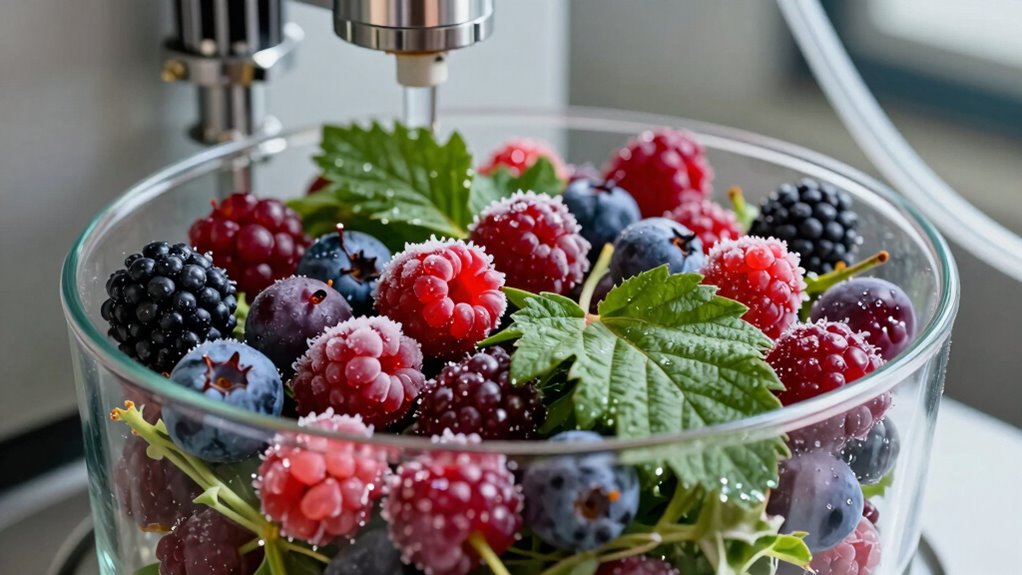
Have you ever wondered how astronauts keep food fresh for long journeys or how your favorite snacks stay crunchy on the shelf? The answer lies in the unique process of freeze drying, which is quite different from traditional dehydration. While it might sound like just removing water through heat, freeze drying involves a scientific process that preserves the food’s structure, flavor, and nutritional value more effectively. This process begins with freezing the food at extremely low temperatures, turning the water inside into ice. Then, through a process called sublimation, the ice is directly converted into vapor without passing through a liquid phase. This way, the food loses most of its water content but retains its original shape, texture, and flavor much better than conventional drying methods. Additionally, the controlled environment during freeze drying helps prevent spoilage and maintains food quality over extended periods. Understanding how water removal works at a molecular level highlights the precision needed for effective freeze drying. The specialized equipment used in this process must operate under carefully monitored conditions to ensure optimal results. The ability to maintain food integrity during this process is what makes freeze drying so effective at preserving flavors and textures.
Freeze drying preserves food’s shape, flavor, and nutrients by sublimating ice directly into vapor at low temperatures.
When it comes to flavor preservation, freeze drying has a significant advantage. Unlike heat-based dehydration that can cause flavor molecules to break down or evaporate, freeze drying locks in the food’s natural flavors. This means that whether it’s strawberries, coffee, or even cooked meals, the taste remains close to fresh. Because the process removes water without exposing the food to high temperatures, the delicate flavors and aromas stay intact. This quality makes freeze-dried foods popular among outdoor enthusiasts, travelers, and space agencies, all of whom need reliable, flavorful options for long storage periods.
Packaging techniques play an essential role in maintaining the quality of freeze-dried foods once they leave the production line. Since these foods are extremely low in moisture, they’re highly susceptible to moisture absorption from the environment, which can compromise flavor and texture. To prevent this, manufacturers pack freeze-dried foods in airtight, moisture-proof containers, often with oxygen absorbers or desiccants. These packaging techniques guarantee that the product stays dry, preserves its crunchiness, and keeps flavors locked in until you’re ready to enjoy it. Proper packaging also extends shelf life, allowing the food to remain edible for years without refrigeration.
In essence, freeze drying is a sophisticated process that preserves both the integrity and flavor of food through precise scientific techniques. Its ability to maintain the food’s original taste and texture, combined with advanced packaging, makes it invaluable for a wide range of applications. Whether you’re savoring a trail snack or relying on space food, the science behind freeze drying guarantees you get a product that’s as close to fresh as possible, even after long storage periods.
freeze dryer machine for home use
As an affiliate, we earn on qualifying purchases.
As an affiliate, we earn on qualifying purchases.
Frequently Asked Questions
How Long Does Freeze Drying Typically Take?
Freeze drying typically takes between 24 to 48 hours, depending on the food’s size and moisture content. During this process, you’ll rely on vacuum pressure to lower the boiling point of water, enabling the sublimation process where ice directly turns into vapor. This careful removal of moisture preserves food’s structure and nutrients, but it requires patience, as the entire process needs steady conditions for ideal results.
Is Freeze-Dried Food More Nutritious Than Dehydrated Food?
Ever wonder if freeze-dried food is more nutritious than dehydrated food? It generally retains more nutrients because the process preserves vitamins and minerals better. Freeze drying also maintains the food’s original texture and flavor, offering enhanced health benefits. So, if you’re looking for maximum nutritional retention, freeze-dried options are often the healthier choice, helping you get the most out of your food with fewer nutrient losses.
Can Freeze Drying Be Done at Home?
Yes, you can try freeze drying at home using specialized home equipment or DIY techniques. While commercial freeze dryers are expensive, some smaller, more affordable models are available for home use. DIY methods involve freezing food and then removing moisture through sublimation, but they’re less efficient and more complex. If you’re dedicated, with patience and proper equipment, you can experiment with freeze drying your favorite foods at home.
What Types of Foods Are Best Suited for Freeze Drying?
Think of your favorite fruits and herbs as treasure chests waiting to be opened. Freeze drying is perfect for foods like berries, bananas, and herbs, because it preserves flavor and enhances texture. These foods maintain their vibrant taste and become crisp or lightweight, making them ideal for long-term storage or on-the-go snacking. You’ll love how freeze drying transforms everyday foods into lasting, flavorful treasures with perfect texture.
How Does Freeze Drying Affect Food Shelf Life?
Freeze drying markedly extends your food’s shelf life by removing moisture, which halts microbial growth and enzymatic activity. This process enhances food preservation and shelf stability, allowing you to store items for years without spoilage. By maintaining most of the food’s original nutrients and flavor, freeze drying helps you enjoy preserved foods long-term, making it ideal for emergency supplies, travel, or everyday convenience.
As an affiliate, we earn on qualifying purchases.
Conclusion
Imagine you’re packing your favorite snack for a backpacking trip, confident it’ll stay fresh for weeks. That’s freeze drying at work—removing moisture while preserving flavor and nutrients, unlike simple dehydration. Think of it as a time capsule for food, locking in freshness like a pressed flower that lasts forever. With freeze drying, you’re not just preserving food—you’re creating a little piece of edible history, ready to enjoy anytime, anywhere.
freeze dried food storage containers
As an affiliate, we earn on qualifying purchases.
As an affiliate, we earn on qualifying purchases.
As an affiliate, we earn on qualifying purchases.
Halloween Picks
halloween
As an affiliate, we earn on qualifying purchases.