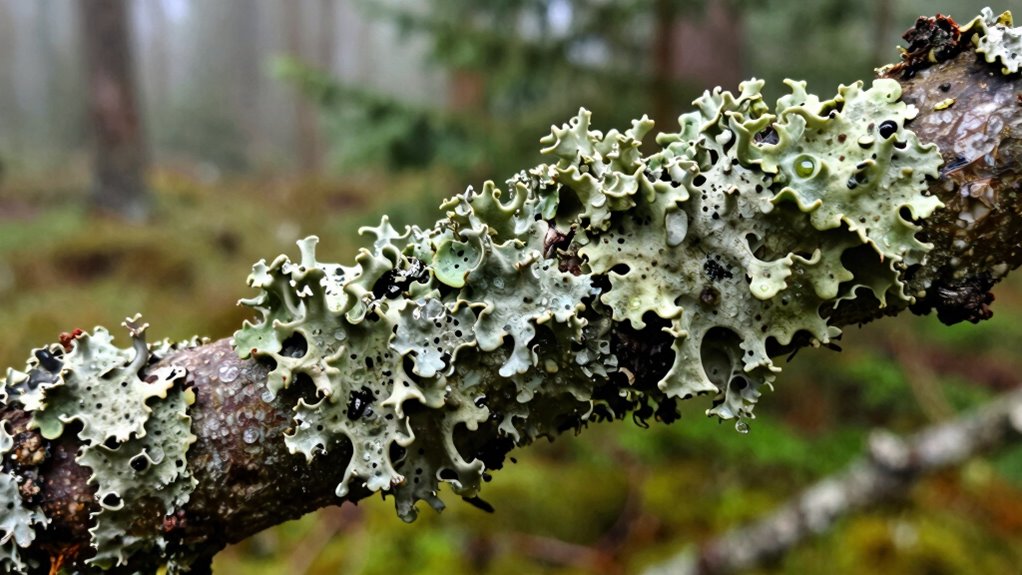

Lichens unexpectedly serve as natural indicators of air quality and pollution. Because they absorb airborne contaminants and are sensitive to environmental changes, you can use them to monitor pollution levels over time. They thrive in clean air but decline in polluted environments, signaling shifts in air quality. Their diverse species and health provide valuable clues to environmental health without complex tools. Keep exploring to discover how these resilient organisms can reveal the hidden stories of our air.

Get the latest gadgets delivered free with Prime
- Fast, free delivery on millions of items
- Prime Video, Amazon Music and more included
- Member-only deals all year
Key Takeaways
- Lichens act as natural bioindicators, reflecting air quality through their presence, diversity, and health.
- They accumulate airborne pollutants, providing insights into long-term pollution levels.
- Changes in lichen biodiversity signal shifts in environmental health and pollution severity.
- Their resilience and sensitivity make them cost-effective tools for monitoring air quality.
- Observing lichen communities helps detect pollution impacts before broader environmental damage occurs.
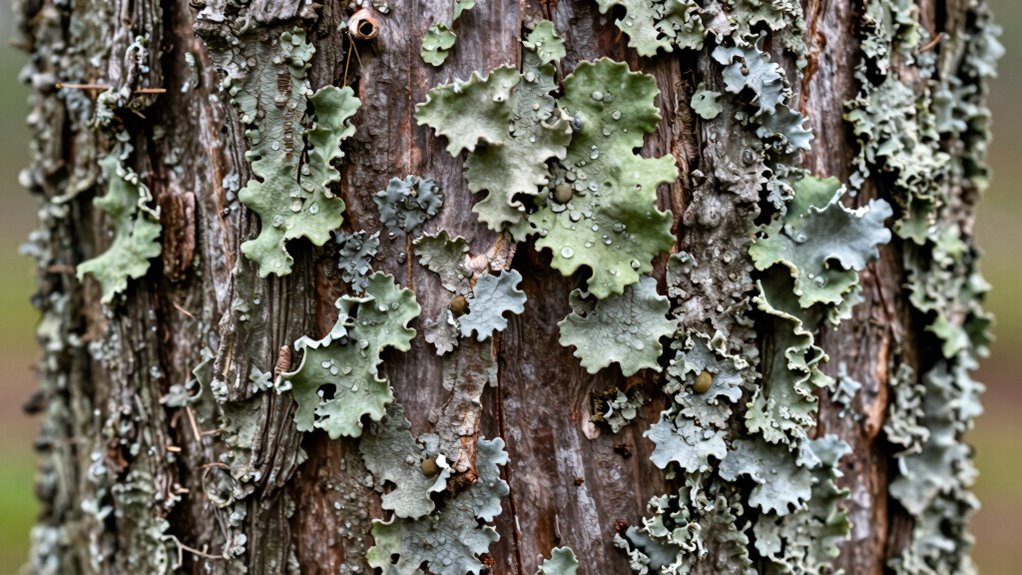
Lichens play a critical role in environmental monitoring because they are highly sensitive to changes in air quality. When you observe lichens in a particular area, you’re fundamentally looking at natural bioindicators that reveal the health of the environment. Their presence, absence, or the specific types of lichens growing there tell you a lot about the air’s cleanliness. As pollution levels rise, many lichen species decline or disappear because they cannot tolerate pollutants like sulfur dioxide or nitrogen oxides. Conversely, in cleaner air, more diverse and resilient lichens flourish. This makes lichen biodiversity a key component in evaluating environmental quality. You might notice that certain lichens thrive in untouched forests or remote mountain regions, serving as natural pollution indicators. Their widespread distribution and varying sensitivities to pollutants allow scientists and environmental enthusiasts like you to use lichens as straightforward, cost-effective tools for monitoring air quality.
Because lichens are directly affected by airborne pollutants, their biodiversity patterns offer valuable insights into pollution levels. When pollution increases, you’ll see a decrease in lichen diversity, with only the most resistant species surviving. This shift signals a decline in air quality and helps you pinpoint areas that need pollution control measures. On the other hand, a rich variety of lichens suggests an environment with minimal pollution. By cataloging and comparing lichen biodiversity across different sites, you can track how air quality changes over time, making lichens indispensable as pollution indicators. Their slow growth and ability to absorb pollutants directly from the air mean they accumulate contaminants, allowing you to analyze their tissues for detailed pollution histories. Additionally, the sensitivity of lichens to pollutants varies among species, providing nuanced information about specific contaminants present in the environment. Recognizing that lichens are excellent bioindicators helps deepen your understanding of environmental health. Incorporating knowledge of well-drained soil and full sun preferences can further refine your observations of lichen habitats and their health status. Understanding the accumulation of pollutants in lichens enhances their utility in long-term environmental assessments. Recognizing the importance of airborne pollutants and their impact helps deepen your understanding of environmental health.
This natural system provides a simple yet powerful way to keep tabs on environmental health without sophisticated instrumentation. You don’t need expensive equipment—just keen observation and knowledge of local lichen species. As you become more familiar with the types of lichens that grow in your area, you’ll develop an intuitive sense for when air quality is deteriorating or improving. Their role as pollution indicators becomes even more significant because they offer early warnings before broader environmental damage becomes obvious. Fundamentally, lichens serve as living barometers, providing real-time feedback on air quality, making them indispensable for environmental monitoring. Their biodiversity, responsiveness to pollutants, and ease of study make lichens a natural, effective tool to safeguard and understand our environment better.
Lichen biodiversity monitoring kit
As an affiliate, we earn on qualifying purchases.
As an affiliate, we earn on qualifying purchases.
Frequently Asked Questions
How Do Lichens Adapt to Extreme Environmental Changes?
You see, lichens adapt to extreme environmental changes through unique morphological adaptations, like thickened layers and specialized structures that shield them from harsh conditions. Their symbiosis dynamics, involving fungi and algae, allow flexible responses to stress, such as drought or pollution. This partnership helps lichens survive, even thrive, in tough environments by optimizing resource use and protecting their essential components from damage.
Can Lichens Be Used to Detect Pollutants in Water Sources?
Think of lichens as nature’s tiny detectives, silently sensing water quality. Yes, you can use them to detect pollutants like algae contamination and heavy metal accumulation. They absorb substances directly from water, revealing contamination levels through color changes or chemical analysis. This makes lichens valuable bioindicators, helping you monitor water health without complex equipment. Their resilience and sensitivity make them essential allies in early pollution detection efforts.
What Are the Limitations of Using Lichens for Long-Term Monitoring?
You’ll face limitations with using lichens for long-term monitoring because species variability can affect results, as different lichens respond uniquely to pollutants. Additionally, maintaining sampling consistency over time is challenging, risking data accuracy. Environmental factors like weather and location shifts also influence lichens’ health and pollutant absorption. These factors make it difficult to rely solely on lichens for consistent, long-term environmental assessments.
Are All Lichen Species Equally Effective as Bioindicators?
Not all lichen species are equally effective bioindicators. You’ll find that lichen diversity and species sensitivity vary, affecting their usefulness. Some species are more sensitive to pollutants, making them better indicators of environmental changes, while others tolerate pollution better. Choosing diverse, sensitive species enhances monitoring accuracy. So, focus on a variety of lichens with different sensitivities to get an all-encompassing view of environmental health.
How Does Climate Change Impact Lichen-Based Environmental Assessments?
Climate change affects lichen-based assessments by altering lichen diversity and increasing atmospheric sensitivity. As temperatures rise and pollution levels shift, some lichen species decline while others adapt or thrive, complicating monitoring efforts. You need to take into account these changes because they influence the accuracy of bioindicators. By tracking fluctuations in lichen diversity and sensitivity, you can better understand environmental health and the impacts of climate change on ecosystems.
Air quality bioindicator samples
As an affiliate, we earn on qualifying purchases.
As an affiliate, we earn on qualifying purchases.
Conclusion
Just as the silent monks of old guarded sacred knowledge, lichens quietly stand sentinel over our environment. Their delicate presence holds powerful secrets about air quality and ecological health, reminding us that sometimes the smallest beings carry the weight of our world’s future. By paying attention to these humble organisms, you can become a steward of change, ensuring that their silent watch continues—protecting not just the land but the legacy we leave behind.
As an affiliate, we earn on qualifying purchases.
Environmental pollution testing kit
As an affiliate, we earn on qualifying purchases.
As an affiliate, we earn on qualifying purchases.
Fall Picks
fall essentials
As an affiliate, we earn on qualifying purchases.