Scientists care about microplastics in human tissue because they can cause inflammation, oxidative stress, and disrupt cellular functions, potentially impacting your health long-term. Microplastics are everywhere — in water, food, and air — and their tiny size allows them to accumulate in your body. Studying this helps researchers understand the risks and develop ways to protect you. Keep exploring to learn how this issue might affect your well-being and future.

Get the latest gadgets delivered free with Prime
- Fast, free delivery on millions of items
- Prime Video, Amazon Music and more included
- Member-only deals all year
Key Takeaways
- Microplastics’ presence in tissues raises health concerns due to potential inflammation and cellular disruption.
- Their widespread environmental contamination indicates long-term exposure risks for humans.
- Detecting microplastics helps assess pollution levels and informs regulatory policies.
- Understanding their biological effects guides health risk assessments and protective measures.
- Monitoring microplastics in humans is essential for addressing broader ecological and public health impacts.
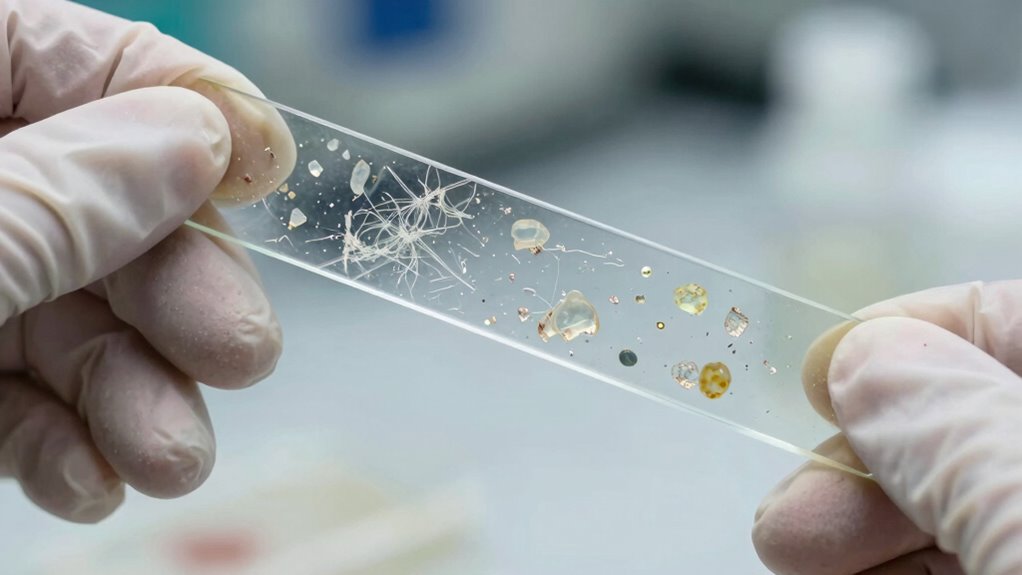
Recent studies reveal that microplastics, tiny plastic particles less than five millimeters in size, are now found in human tissues, raising concerns about potential health risks. This discovery sparks a significant alarm among scientists because these particles are pervasive in the environment and could have far-reaching effects on both ecosystems and human health. The environmental impact of microplastics is profound, as they accumulate in oceans, soil, and air, infiltrating food chains and water supplies. When humans ingest microplastics through contaminated seafood, drinking water, or even airborne particles, they become part of the broader cycle of pollution. Understanding how these particles move from the environment into human tissues is a central concern for researchers aiming to assess health risks and develop preventative measures.
Detection techniques play a crucial role in this research. Scientists have developed advanced methods to identify and quantify microplastics within human tissues, which was once a significant challenge due to their tiny size and the complexity of biological samples. Techniques such as Fourier-transform infrared spectroscopy (FTIR), Raman spectroscopy, and pyrolysis-gas chromatography-mass spectrometry (Py-GC-MS) allow researchers to detect specific plastic polymers and determine their chemical composition with high precision. These detection methods enable scientists to trace the origins of microplastics and understand how they accumulate in tissues over time. Improved detection techniques also help in identifying which types of plastics are most likely to bioaccumulate and cause potential harm. Additionally, ongoing innovations in detection sensitivity are critical for uncovering the full extent of contamination, as current methods might underestimate exposure levels. Developing more accurate analytical tools is essential for providing clearer insights into the true scope of microplastic pollution in human health.
Moreover, the development of more sensitive detection techniques is essential for uncovering the full extent of microplastic contamination in human tissues, which remains largely unknown. Your concern about microplastics stems from a deeper understanding of their impact. As scientists, we care because the presence of these particles in human tissues could lead to inflammation, oxidative stress, or even interfere with cellular functions. The potential health risks, combined with the ubiquitous nature of microplastics, underscore the importance of ongoing research to better understand their behavior within the body. We’re motivated to develop safer, more effective detection techniques, so we can accurately monitor exposure levels and assess long-term health effects. This knowledge not only helps inform regulatory policies but also guides public health recommendations to minimize exposure.
In short, our focus on microplastics in human tissue is driven by a profound concern for environmental impact and human health. By refining detection techniques, we aim to uncover the extent of contamination and its implications. It’s essential to stay ahead of this issue because microplastics are unlikely to disappear anytime soon, and understanding their journey from the environment into our tissues helps us protect ourselves and future generations.
As an affiliate, we earn on qualifying purchases.
Frequently Asked Questions
How Do Microplastics Enter the Human Body?
You can get microplastics into your body through environmental exposure, mainly by ingesting contaminated food and water. Microplastic ingestion occurs when you eat seafood, drink bottled water, or consume food with microplastic particles. Additionally, microplastics can enter your body through inhalation of airborne particles. These tiny plastics then travel through your digestive system or respiratory pathways, raising concerns about potential health impacts.
Are Microplastics Found in All Age Groups?
Yes, microplastics are found in all age groups. You can encounter microplastic sources through exposure to contaminated water, food, and air, affecting everyone regardless of age. This widespread presence highlights the environmental impact of plastic pollution, as these tiny particles enter our bodies and ecosystems. As a result, scientists focus on understanding how microplastics affect health across all ages and how they contribute to ongoing environmental degradation.
Can Microplastics Cause Immediate Health Effects?
Microplastics can cause immediate health effects, especially through chemical toxicity and immune response. Studies show that over 90% of people have microplastics in their tissues, which can trigger inflammation or allergic reactions. You might not notice symptoms right away, but these particles can disrupt your immune system and introduce harmful chemicals. Staying aware of exposure helps protect your health from potential short-term and long-term impacts.
Do Microplastics Accumulate Over Time in Tissues?
Yes, microplastics can accumulate over time in tissues through microplastic bioaccumulation. When you ingest or breathe in these tiny particles, they can be retained in tissues longer than expected, leading to tissue retention. As exposure continues, microplastics build up, which may increase health risks. Scientists are concerned because this ongoing microplastic bioaccumulation might cause long-term effects that are still not fully understood.
What Measures Can Reduce Microplastic Exposure?
To reduce your microplastic exposure, you can implement plastic filtration by using water filters that catch microplastics and choosing products with minimal plastic packaging. You can make dietary adjustments by avoiding plastic-wrapped foods, opting for fresh or frozen options, and reducing seafood consumption known to contain microplastics. These steps help limit ingestion, minimize environmental impact, and protect your health by actively reducing your microplastic intake.
FTIR spectroscopy for microplastics
As an affiliate, we earn on qualifying purchases.
As an affiliate, we earn on qualifying purchases.
Conclusion
Now, imagine the invisible enemy lurking within you, quietly threatening your health. Microplastics may seem tiny, but their potential impact is enormous—like a wolf in sheep’s clothing. Scientists care because understanding this silent invasion helps protect your future. By shedding light on these tiny intruders, you can become more aware and take action. After all, knowledge is your best shield against the unseen threats that could someday compromise your well-being.
air and water microplastic testing kit
As an affiliate, we earn on qualifying purchases.
As an affiliate, we earn on qualifying purchases.
microplastics in human tissue analysis
As an affiliate, we earn on qualifying purchases.
As an affiliate, we earn on qualifying purchases.
Fall Picks
fall essentials
As an affiliate, we earn on qualifying purchases.