
TL;DR

Get the latest gadgets delivered free with Prime
- Fast, free delivery on millions of items
- Prime Video, Amazon Music and more included
- Member-only deals all year
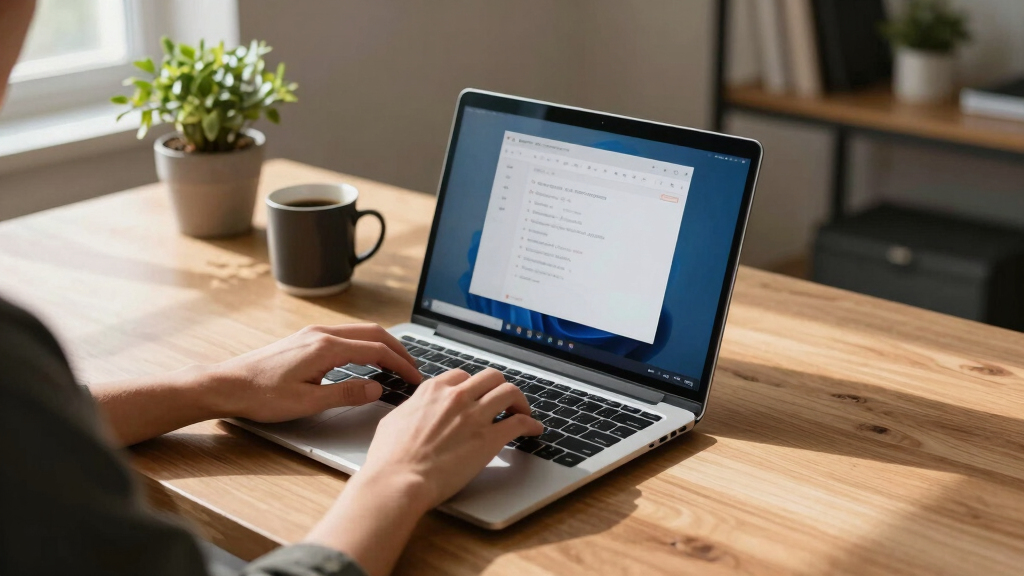
A tech enthusiast has revived a 15-year-old netbook by installing Arch Linux, showcasing the device’s potential for modern use. This highlights Linux’s longevity and customization options.
A tech enthusiast has successfully revived a 15-year-old netbook by installing Arch Linux, demonstrating that older hardware can still be functional with lightweight Linux distributions. This achievement underscores the potential for extending the lifespan of aging devices and highlights the flexibility of Linux-based operating systems.
The user, known online as ‘RetroTech’, documented the process of installing Arch Linux on a netbook originally released in 2008. The device, which was previously considered obsolete due to its limited hardware capabilities, now runs a fully functional Linux environment capable of web browsing, document editing, and basic multimedia tasks. This effort involved replacing the original Windows XP installation with a minimal Linux setup, optimizing the system for low-resource hardware.
According to ‘RetroTech’, the installation process involved creating a bootable USB, partitioning the drive, and configuring Arch Linux with lightweight window managers such as Openbox. The user also installed essential applications including a web browser, office suite, and media players, all tailored for low system requirements. The project was completed over several days, with significant effort spent on driver compatibility and system optimization.
Experts in the Linux community have acknowledged that this showcases the viability of older hardware with modern, lightweight Linux distributions. The success story was shared on social media and tech forums, garnering positive reactions from users interested in sustainability and cost-effective computing solutions.
Why Reviving Old Hardware with Linux Matters
This development demonstrates that older devices can remain useful for basic tasks, reducing electronic waste and extending the life of legacy hardware. It also highlights the flexibility of Linux for customizing and optimizing systems to run efficiently on limited resources. For consumers and organizations, this offers a cost-effective alternative to replacing aging equipment, especially in educational or developing regions where budget constraints are significant.
Furthermore, this success may inspire more users to experiment with repurposing outdated hardware, contributing to sustainability efforts and reducing environmental impact. It also underscores the importance of open-source operating systems in maintaining hardware relevance over decades.
USB bootable drive for Linux installation
As an affiliate, we earn on qualifying purchases.
As an affiliate, we earn on qualifying purchases.
Older Hardware and Linux: A Growing Trend
Over the past decade, Linux distributions have increasingly focused on supporting legacy hardware through lightweight environments. Projects like Lubuntu, Puppy Linux, and Arch Linux with minimal setups have made it feasible to run modern software on devices with limited processing power and memory. The revival of a 15-year-old netbook exemplifies this trend, showing that hardware once considered obsolete can still serve basic computing needs.
Historically, netbooks released in the late 2000s and early 2010s faced obsolescence due to hardware limitations and the end of official support. However, community-driven efforts to install lightweight Linux distros have enabled users to breathe new life into these devices. This approach has gained popularity among hobbyists, educators, and environmental advocates seeking sustainable computing solutions.
The specific choice of Arch Linux, known for its customizability and rolling updates, underscores the appeal of Linux’s flexibility for advanced users aiming to optimize older hardware.
“Installing Arch Linux on this old netbook was challenging but rewarding. It now handles basic tasks smoothly, proving that hardware age is no barrier with the right OS.”
— User ‘RetroTech’
As an affiliate, we earn on qualifying purchases.
Remaining Technical Challenges and Limitations
While the netbook now runs Linux effectively for basic tasks, it is unclear how well it performs with more demanding applications or multitasking. Compatibility issues with certain hardware components, such as Wi-Fi or graphics, could still pose challenges, especially on very old devices. Additionally, long-term stability and updates for the specific hardware configuration are yet to be fully tested.
It is also uncertain whether similar success can be easily replicated on other older models without significant troubleshooting or hardware modifications.
As an affiliate, we earn on qualifying purchases.
Future Prospects for Using Legacy Hardware with Linux
The next steps involve testing the device’s performance over extended periods and exploring the installation of different lightweight Linux distributions for comparison. Community forums and user groups are likely to share similar success stories, encouraging more experimentation. Developers may also consider creating tailored images for specific older hardware models to simplify the process.
In the longer term, this trend could influence hardware recycling initiatives and promote sustainable practices within the tech community, especially as many devices reach end-of-life but still have usable components.
As an affiliate, we earn on qualifying purchases.
Key Questions
Can any old netbook be revived with Linux?
Most older netbooks with limited hardware can be revived using lightweight Linux distributions, but compatibility depends on specific hardware components. Testing and customization are often required.
What are the main challenges when installing Linux on old hardware?
Challenges include driver support for hardware components, limited processing power, and compatibility issues with peripherals. Optimizing system performance for low-resource devices is also necessary.
Is this approach suitable for everyday use?
For basic tasks such as web browsing, document editing, and media playback, it is feasible. However, performance may degrade with more demanding applications or multitasking on very old hardware.
Does reviving old hardware with Linux help the environment?
Yes, extending the lifespan of devices reduces electronic waste and minimizes the environmental impact associated with manufacturing new hardware.
Will this trend continue as hardware ages further?
As hardware becomes increasingly outdated, lightweight Linux distributions will likely remain a viable solution for reuse, especially with ongoing community and developer support.
Source: hn
Fall Picks
fall essentials
As an affiliate, we earn on qualifying purchases.