TL;DR
A November 12 analysis says Anthropic’s Claude Fable 5.2 scored above fitted performance trends on the Remote Labor Index, Epoch Capabilities Index and RoboDojo. The strongest result is on freelance projects; the Epoch lead falls within its uncertainty range, while RoboDojo’s score is an unverified Anthropic result sensitive to the trend method.
The analysis rebuilt trendlines from benchmark leaderboard data and compared Fable 5.2 with the pace set by earlier record-setting models. It reports a 41.3% pass rate on the Remote Labor Index (RLI), against a fitted trend value of 27.2% on the model’s release date. That is a 14.1 percentage-point gap; the analysis estimates the trend would take about 90 days to reach Fable 5.2’s score.

Get the latest gadgets delivered free with Prime
- Fast, free delivery on millions of items
- Prime Video, Amazon Music and more included
- Member-only deals all year
On the Epoch Capabilities Index (ECI), Fable 5.2 scored 173.4, compared with a trend estimate of 171.1, a 2.4-point lead. Epoch’s reported uncertainty range for the model, 169.9 to 177.5, includes values below the trend estimate. For RoboDojo, Anthropic reported a 64.9% success rate on simulated robot tasks. The analysis places that 8.8 points above its fitted trend, but says the size of the gap varies substantially with the fitting method.
The article says it used record-setting models, excluded Fable 5.2 from the fits, used logistic curves for percentage-based benchmarks and a straight line for ECI. Its RLI trend estimate differs slightly from the chart it received: 27.2% versus 27.1%. The author says differing release dates for some entries may explain the small discrepancy.

Freelance Work Shows the Largest Lead
The results suggest Fable 5.2’s performance depends on what is being measured. Its RLI score is the strongest signal in the analysis: it is well above the fitted trend and more than twice the 17.92% score listed for its predecessor, Claude Fable 5.1. The analysis estimates a rough sampling margin of about six percentage points for the RLI result, smaller than the reported 14.1-point gap.
That score does not mean the model completed most of the projects to the required standard. 41.3% means 99 of 240 projects passed, leaving most below the test’s client-acceptance threshold. The ECI result is less conclusive because its uncertainty range crosses the trend estimate. The RoboDojo finding is harder to compare independently because the cited score was measured by Anthropic and was not a verified leaderboard result.
Products Worth Considering

Apple iPad 11-inch (A16), 128GB, Wi-Fi, Silver
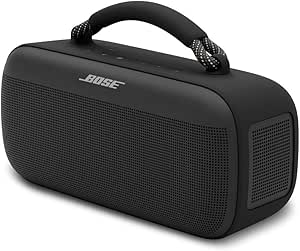
Bose SoundLink Max Portable Bluetooth Speaker, IP67 Waterproof, Black

Logitech MX Keys S Combo Wireless Keyboard and Mouse, Graphite
As an affiliate, we earn on qualifying purchases.
Three Tests, Different Measures
The Remote Labor Index, developed by Scale AI and the Center for AI Safety, evaluates AI deliverables for 240 projects drawn from work by 358 Upwork freelancers across 23 job categories. Scale AI says projects averaged 28.9 hours of human work and had an average value of $632.60. Reviewers compare AI work with professional work; a project passes if a reasonable client would accept the AI deliverable. Anthropic’s system card says Scale AI ran the Claude models at high effort.
The Epoch Capabilities Index aggregates results across many tests into one index, while RoboDojo measures performance on simulated robot-arm tasks. The analysis compares record-setters over time, placing them by release date using Epoch AI’s dataset. It excluded four leaderboard entries—three Manus versions and ChatGPT agent—because the dataset did not provide release dates for them. The article is dated November 12, 2026 and discloses that it was researched and drafted with AI assistance, including Claude; Anthropic and the benchmark organizations did not review or sponsor it.
How Firm Are the Benchmark Leads?
The available source material does not establish that any of the three comparisons is a direct, independent evaluation of Fable 5.2 under identical conditions across all models. The RLI leaderboard says it has no confidence interval for automation rate; the analysis supplies its own rough sampling estimate. The ECI’s stated range is wide enough to include a score below the fitted trend.
RoboDojo carries the largest methodological uncertainty. The 64.9% figure is attributed to Anthropic’s internal run, and the analysis says alternative reasonable trend fits put the gap between 3.8 and 23.3 points. The leaderboard also lists Q0-Preview at 68.9%, above Anthropic’s reported score. The supplied material does not explain whether the Q0-Preview and Anthropic results used identical evaluation conditions.
Independent Results Would Clarify the Picture
The analysis points to leaderboard data and Anthropic’s launch materials as its evidence, but the supplied material gives no date for an independent RoboDojo verification or a follow-up benchmark release. Readers can compare future leaderboard entries with the reported scores and check whether the evaluation conditions are documented consistently. Until then, the RLI result offers the clearest above-trend finding, while the ECI and RoboDojo comparisons remain more qualified.
Key Questions
What is the main finding about Claude Fable 5.2?
The November 12 analysis finds Fable 5.2 above fitted trends on three benchmarks. It describes the RLI lead as the clearest; the ECI lead is within the index’s uncertainty range, and the RoboDojo score is an Anthropic-reported result.
How did Fable 5.2 perform on the Remote Labor Index?
It passed 99 of 240 projects, for a 41.3% automation rate. The analysis’s trend fit projected 27.2% on the release date, a 14.1 percentage-point difference.
Does the Epoch index result establish a clear lead?
No. Fable 5.2 scored 173.4 against a trend estimate of 171.1, but Epoch’s uncertainty range of 169.9 to 177.5 extends below the trend value.
Is the RoboDojo result independently verified?
Not in the source material. Anthropic reported a 64.9% success rate, and the analysis says it was not a verified leaderboard entry. The comparison also shifts depending on how the trend is fitted.
Source: Thorsten Meyer AI