

By practicing mindful parenting, you focus fully on your child’s emotional needs, helping you recognize subtle cues and respond thoughtfully. This approach fosters trust, emotional security, and resilience in your child. It also reduces impulsive reactions, models calmness, and creates a safe space for feelings. Daily routines and deep attention strengthen your bond and nurture emotional intelligence. Keep exploring how these mindful strategies can transform your relationship and support your child’s growth.
Key Takeaways
- Fully present parenting fosters emotional awareness and creates a safe environment for children to express and understand their feelings.
- Recognizing subtle cues helps validate children’s emotions, teaching them emotional intelligence and self-regulation skills.
- Managing personal stress and reactions models calmness, encouraging children to develop resilience and emotional control.
- Incorporating mindful routines like focused attention and gentle touch deepens parent-child connection and trust.
- Consistent mindful practices promote empathy, patience, and confidence, laying a foundation for healthier, emotionally intelligent relationships.

Have you ever wondered how being fully present can transform your relationship with your children? When you practice mindful parenting, you become more aware of your own emotions and reactions, which in turn helps you respond more thoughtfully to your child’s needs. Instead of rushing through interactions or reacting impulsively, you learn to pause and really tune in. This presence creates a safe space where your child feels genuinely heard and understood, fostering trust and emotional security. It’s not about being perfect but about making a conscious effort to stay engaged and attentive, even amid everyday chaos.
By cultivating mindfulness, you start noticing the subtle cues your child gives—tiny shifts in their tone, body language, or facial expressions—that often reveal how they’re truly feeling. Recognizing these signals helps you validate their emotions, which is essential for developing emotional intelligence. When you acknowledge their feelings without judgment, you teach them that emotions are normal and manageable, empowering them to better understand and regulate their own. This process encourages empathy, as they learn to appreciate the perspectives and feelings of others, a skill that will serve them throughout life.
Mindful parenting also involves managing your own stress and triggers. When you’re aware of your emotional landscape, you’re less likely to react out of frustration or impatience. Instead, you can choose responses rooted in calmness and compassion, modeling emotional regulation for your children. This consistency provides a stable environment where your kids feel safe to explore their feelings and develop self-awareness. Over time, they begin to mirror your mindful approach, learning to pause before reacting and to approach challenges with curiosity rather than chaos.
Managing your stress helps children feel safe and develop self-awareness.
Implementing mindfulness in daily routines can be simple yet powerful. For instance, when your child shares something, resist the urge to multitask and focus solely on them. Use deep breathing or grounding techniques to center yourself if you feel overwhelmed. Incorporate moments of shared silence or gentle touch to foster connection. These small acts reinforce that your attention is a gift, and your presence is a powerful tool for nurturing emotional growth. As you become more mindful, you’ll notice your relationship deepening, with both of you feeling more connected and understood.
Ultimately, mindful parenting isn’t just about managing your child’s emotions; it’s about transforming the way you relate to them. It’s a practice that nurtures emotional intelligence by fostering awareness, empathy, and patience. When you commit to being present, you help your children learn to navigate their feelings with confidence, laying the foundation for healthier, more resilient relationships throughout their lives. Developing mindfulness techniques can further enhance your ability to stay centered and responsive in challenging moments.

Mindful Women – Resilient Lives: Women Mastering Emotional Intelligence (The Emotional Intelligence Mastery Series)
As an affiliate, we earn on qualifying purchases.
As an affiliate, we earn on qualifying purchases.
Frequently Asked Questions
How Can I Practice Mindfulness During Stressful Parenting Moments?
During stressful parenting moments, take a deep breath to ground yourself and stay present. Pause for a moment before reacting, noticing your feelings and body sensations without judgment. Use this awareness to respond calmly and intentionally. Practice mindfulness regularly, so it becomes second nature. Remember, your calmness helps your child feel safe and supported, even in challenging situations. Consistent practice builds resilience for both you and your child.
What Are Simple Daily Mindfulness Exercises for Children?
Think of your child as a tiny lighthouse, guiding their own inner calm. You can help by practicing simple daily exercises like deep breathing, where they take slow, deliberate inhales and exhales. Encourage mindfulness walks, focusing on sounds, sights, and smells around them. You might also introduce a gratitude jar, where they jot down moments of joy. These small practices build awareness, helping your child stay grounded amid life’s storms.
How Does Mindful Parenting Influence a Child’s Social Skills?
Mindful parenting helps you model calmness and empathy, which encourages your child to develop strong social skills. When you stay present and listen attentively, your child learns to communicate effectively and manage emotions. By practicing patience and understanding, you foster trust and respect, making it easier for your child to build positive relationships with peers. Your mindful approach creates a safe space for your child to grow socially and emotionally.
Can Mindful Parenting Help With Tantrums and Behavioral Issues?
Yes, mindful parenting can help with tantrums and behavioral issues. When you stay calm and present, you model emotional regulation, making it easier for your child to learn self-control. You’ll better understand the root causes of their behavior and respond thoughtfully rather than reactively. This approach builds trust and encourages your child to express feelings calmly, reducing the frequency and intensity of tantrums over time.
What Are Common Challenges in Maintaining Consistent Mindfulness Practices?
You might find it challenging to stay consistent with mindfulness because busy schedules, stress, and exhaustion can make regular practice difficult. Distractions and impatience may also tempt you to skip your routines. To overcome these hurdles, set small, manageable goals and create dedicated, distraction-free times for mindfulness. Remember, persistence matters more than perfection, and even brief moments of mindful awareness can make a significant difference in your parenting journey.
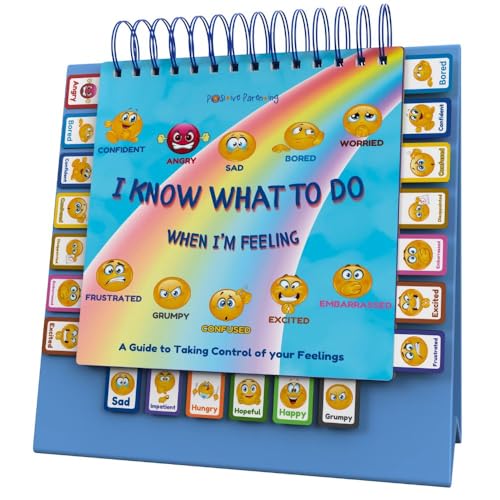
Thought-Spot I Know What to Do Flipbook | Emotions Wheel & Feelings Chart | Emotional Regulation Tool for Home, Class, or Calm Down Corner | Helps Kids Learn Coping Skills | Autism Must-Have
Understand & Express Everyday Feelings: Visually guides children ages 3–5 to recognize and name their emotions. This flipbook…
As an affiliate, we earn on qualifying purchases.
As an affiliate, we earn on qualifying purchases.
Conclusion
By practicing mindful parenting, you’re planting seeds of empathy and patience in your child’s heart. As the steady roots support a resilient tree, your mindful presence nurtures their emotional growth. Remember, every moment of awareness is like tending to a garden—helping your child flourish into a compassionate, confident individual. Stay committed, and watch how your mindful efforts bloom into a beautiful, enduring bond that guides them through life’s changing seasons.

The Calm Ball – Therapist-Designed Coping Skills Ball with Guidebook
INTERACTIVE THERAPIST-DESIGNED BALL: A thoughtfully designed coping skills learning magic 8 ball created for structured emotional regulation and…
As an affiliate, we earn on qualifying purchases.
As an affiliate, we earn on qualifying purchases.

Mindful Kids: 50 Mindfulness Activities for Kindness , Focus and Calm
As an affiliate, we earn on qualifying purchases.
As an affiliate, we earn on qualifying purchases.