
You’re paying for free shipping through hidden costs embedded in product prices or delivery fees that retailers don’t openly show. Companies offset shipping expenses by tightening supply chains, negotiating logistics, and spreading costs across their operations. This means the price you see isn’t the full story—some of the costs you pay are hidden in what you buy. If you want to understand how these economics shape your shopping habits, there’s more to uncover.

Get the latest gadgets delivered free — and shop member deals
- Fast, free delivery on millions of items
- Access to Prime Big Deal Days deals on October 6–7
- Prime Video, Amazon Music and more included
Key Takeaways
- Retailers embed free shipping costs into product prices or sales volume, making consumers indirectly pay.
- Supply chain efficiencies lower logistics costs, enabling free shipping without cutting profit margins.
- Consumer expectations for free shipping influence shopping habits and purchasing thresholds.
- Companies invest in logistics technology to sustain free shipping while controlling expenses.
- Hidden costs of free shipping are shared across supply chain, impacting overall retail pricing strategies.
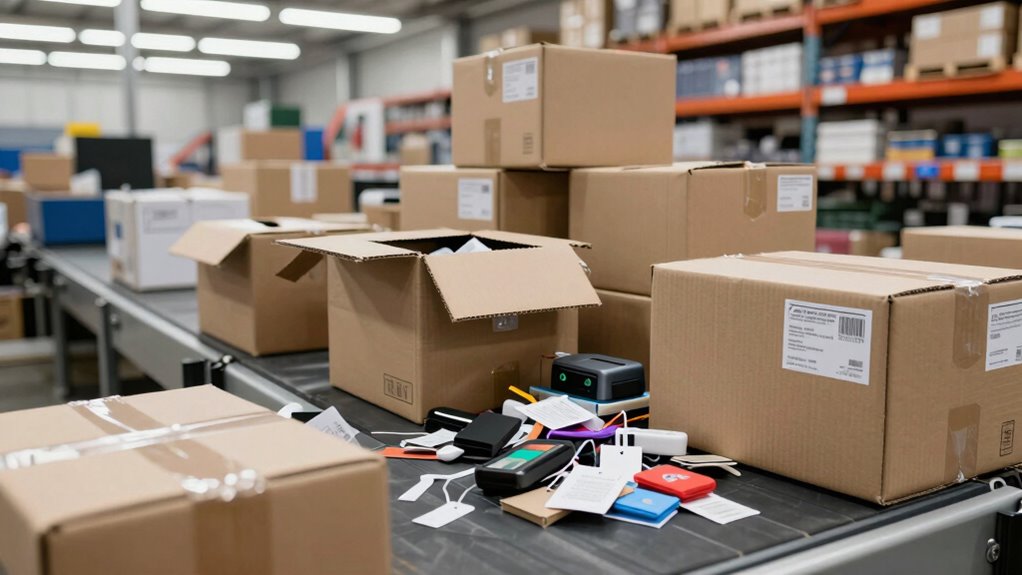
In today’s competitive retail landscape, offering free shipping isn’t just a customer perk—it’s a strategic move driven by new economic realities. You might not realize it, but when retailers decide to absorb shipping costs, it’s often a calculated effort to influence consumer behavior and stay ahead in a crowded market. Free shipping has become a key driver of purchasing decisions, encouraging you to buy more, faster, and with less hesitation. Retailers understand that eliminating shipping fees reduces friction at checkout, making it easier for you to complete a purchase. This shift isn’t just about convenience; it’s about shaping your expectations and habits around shopping online.
Free shipping influences your buying habits, making online shopping easier and encouraging quicker, more impulsive purchases.
Behind the scenes, the supply chain plays a critical role in this new economics. Companies are investing heavily to streamline their logistics to offset the costs of free shipping. They’re optimizing warehouses, negotiating better freight deals, and leveraging technology to predict demand more accurately. These improvements help reduce overall expenses, allowing retailers to offer free shipping without sacrificing profit margins. However, this also means you’re indirectly paying for these logistics efficiencies through higher product prices or increased sales volume. Retailers spread out the cost of free shipping across their entire supply chain, shifting the financial burden from shipping fees to the cost of goods or operational expenses. This interconnected system keeps prices competitive while still enabling free shipping offers. Additionally, advancements in shipping logistics and technology are further driving down costs, making free shipping a sustainable strategy for many retailers. Moreover, understanding the importance of content quality and topical authority can help you recognize how retailers craft their online presence to encourage purchases.
Your consumer behavior is at the heart of this transformation. You’ve grown accustomed to expecting free shipping as a standard feature, which has pushed retailers to adapt or lose market share. When you see “free shipping,” your likelihood to add more items to your cart skyrockets, boosting average order values. Retailers are strategically bundling products or offering minimal thresholds to trigger free shipping, subtly encouraging you to spend more. Meanwhile, the pressure to meet these thresholds shapes your shopping patterns, making you more impulsive or deliberate based on what you perceive as the “best deal.” It’s a cycle where your preferences influence how companies adjust their logistics and pricing strategies, reinforcing the importance of free shipping as a competitive advantage. This trend also highlights how cost optimization within the supply chain impacts overall pricing strategies in retail. Furthermore, the push for technology-driven solutions continues to revolutionize how retailers manage and reduce costs, making free shipping an even more integral part of their competitive strategy. Recognizing how retailers leverage supply chain efficiencies impacts pricing can help you better understand the hidden costs behind the free shipping promises.
Ultimately, free shipping has become a cornerstone of modern retail economics. It’s a carefully balanced system where supply chain efficiencies and consumer expectations collide, creating a dynamic environment that benefits both retailers and shoppers—though, in the end, you’re often footing the bill in subtle ways. As this trend continues, understanding the economics behind free shipping helps you make smarter choices and recognize how much your shopping habits shape the retail landscape.
free shipping threshold calculator
As an affiliate, we earn on qualifying purchases.
As an affiliate, we earn on qualifying purchases.
Frequently Asked Questions
How Do Retailers Subsidize Free Shipping Costs?
Retailers subsidize free shipping costs by adjusting their supply chain strategies, negotiating better shipping rates, or including shipping costs in product prices. They also leverage free shipping to boost customer loyalty, encouraging repeat purchases that offset initial expenses. By optimizing logistics and offering free shipping as a perk, they attract more buyers, ultimately increasing sales and profit margins, even when covering shipping costs upfront.
What Hidden Fees Are Involved in Free Shipping Offers?
Like Pandora’s box, free shipping hides unexpected costs. You might not see extra fees in shipping logistics, but they’re there—such as handling charges, processing fees, or minimum purchase requirements. Retailers often offset these costs through practices that influence customer retention, encouraging repeat business despite the initial “free” offer. These hidden fees subtly inflate the total cost, making the deal less straightforward than it appears, ultimately affecting your overall shopping experience.
How Does Free Shipping Impact Product Pricing?
Free shipping influences product pricing by encouraging retailers to adjust their pricing strategies, often embedding shipping costs into the product price itself. This can make prices seem more attractive, positively shaping customer perceptions. You might notice higher base prices or discounts that include shipping. Ultimately, free shipping can obscure actual costs, leading you to believe you’re getting a better deal, even if the overall price reflects these hidden expenses.
Are There Environmental Costs Associated With Free Shipping?
Imagine each free shipping delivery as a tiny boat crossing a vast ocean, leaving behind a trail of carbon footprint and packaging waste. Yes, there are environmental costs, as increased shipping adds to pollution and landfill clutter. You might get free delivery, but it’s like casting a pebble into the water—small at first, yet contributing to larger waves of environmental impact over time.
How Does Free Shipping Influence Consumer Purchasing Behavior?
Free shipping considerably influences your purchasing decisions by raising customer expectations for quick delivery. You’re more likely to buy from brands that offer free shipping, expecting faster delivery speeds. This convenience pushes you to complete transactions sooner, often prioritizing speed over cost. As a result, businesses invest in faster shipping options, shaping your shopping habits around the appeal of free, swift delivery, which ultimately encourages more frequent and larger purchases.
shipping cost optimization tools
As an affiliate, we earn on qualifying purchases.
As an affiliate, we earn on qualifying purchases.
Conclusion
Now, as you navigate this landscape of digital commerce, remember that free shipping isn’t just a gift—it’s a carefully crafted illusion, a double-edged sword shaping your expectations and spending habits. Behind the velvet curtain, costs are woven into prices you pay, turning the promise of “free” into a delicate dance of economics. So, stay sharp, for in this theater of convenience, understanding the true cost reveals the hidden puppeteers pulling the strings of your wallet.
As an affiliate, we earn on qualifying purchases.
supply chain management software
As an affiliate, we earn on qualifying purchases.
As an affiliate, we earn on qualifying purchases.
Fall Picks
fall essentials
As an affiliate, we earn on qualifying purchases.