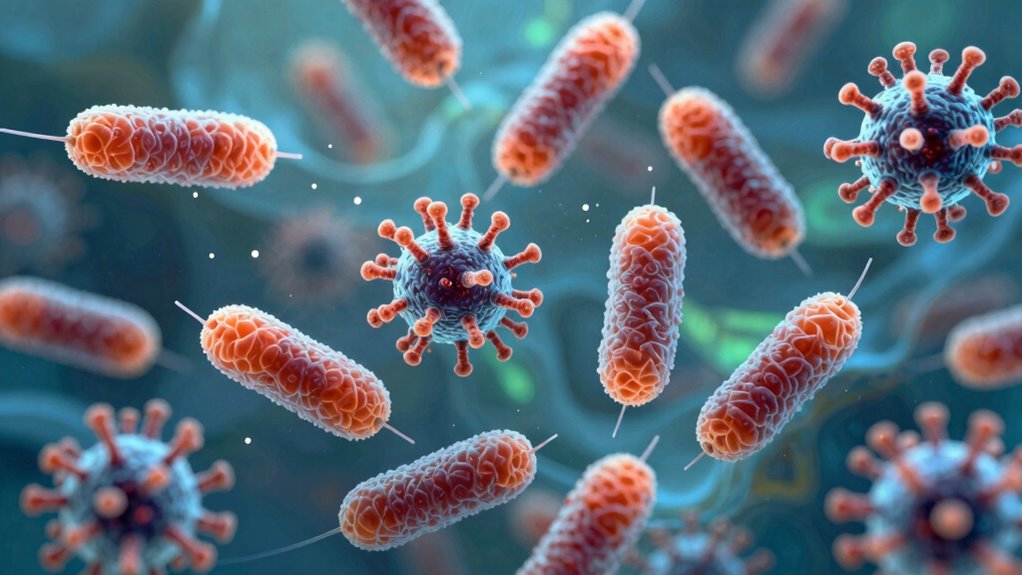

Every day, bacteria deploy complex defenses like biofilms, resistance genes, and surface modifications to survive hostile environments, creating a hidden battle with viruses and antibiotics. They produce enzymes to break down drugs, enter dormant states, and change surface proteins to evade immune responses. Understanding these strategies helps scientists develop new treatments and outsmart bacterial defenses. If you keep exploring, you’ll discover more about how these microscopic battles shape our fight against infections.

Get the latest gadgets delivered free — and shop member deals
- Fast, free delivery on millions of items
- Access to Prime Big Deal Days deals on October 6–7
- Prime Video, Amazon Music and more included
Key Takeaways
- Bacteria employ defenses like biofilms and resistance genes to evade viral attacks and immune responses.
- Viruses target bacteria by injecting genetic material, but bacterial defenses can block or neutralize viral entry.
- Both viruses and bacteria constantly evolve mechanisms to outmaneuver each other at the microscopic level.
- Bacterial surface modifications can prevent viral attachment, while viruses develop specialized tools to bypass these defenses.
- Advanced research and technology help uncover these unseen battles, informing new treatments against resistant infections.
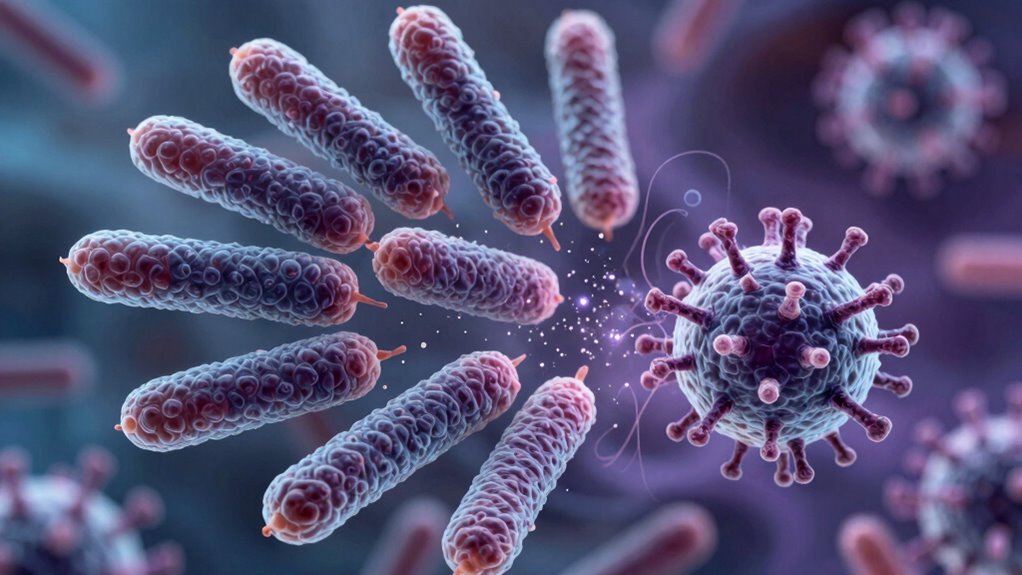
Bacteria, on the other hand, possess a formidable set of defenses to resist attacks. They can form protective biofilms, making them harder to eradicate, and have developed resistance genes that neutralize antibiotics. Bacterial defenses include altering their surface proteins to prevent recognition, producing enzymes that break down antibiotics, and entering dormant states where they’re less vulnerable. These defenses complicate treatment and require different strategies to overcome. Fortunately, scientists are constantly exploring new antibiotics and alternative therapies, such as phage therapy, which uses viruses that specifically target bacteria. Understanding bacterial defenses allows researchers to design drugs that can bypass or disable these mechanisms, restoring the effectiveness of treatments. Additionally, advancements in understanding projector technology can help improve medical imaging and diagnostics, aiding in the detection and study of these microscopic battles. Moreover, ongoing research into bacterial resistance mechanisms helps develop innovative approaches to combat antibiotic-resistant strains and prevent future infections. Recognizing how bacteria can modify their surface to evade immune responses is crucial in developing more effective treatments, especially as bacteria continue to evolve their defense strategies against current therapies. In-depth knowledge of these mechanisms is essential for developing next-generation antibiotics that can outsmart bacterial defenses.
phage therapy bacterial treatment
As an affiliate, we earn on qualifying purchases.
As an affiliate, we earn on qualifying purchases.
Frequently Asked Questions
How Do Viruses and Bacteria Evolve Resistance to Treatments?
Viruses and bacteria develop resistance to treatments through genetic mutations, which change their DNA. These mutations can alter how they respond to drugs, making treatments less effective. They also use resistance mechanisms like producing enzymes that break down antibiotics or changing their surface proteins to avoid detection. By constantly evolving these strategies, they survive and multiply despite medical efforts, making it essential to develop new treatments regularly.
Can Bacteria and Viruses Coexist Within the Same Host?
Yes, bacteria and viruses can cozy up within your host, like neighbors sharing a tiny apartment. They use microbial communication to coordinate their antics, influencing host microbe interactions. This microscopic house party might seem chaotic, but it’s common. Viruses infect cells, while bacteria live independently or in biofilms, all within the same host. They coexist, sometimes competing, sometimes collaborating, in a complex, unseen dance happening inside you every day.
What Role Do Our Immune Cells Play in This Microscopic Battle?
Your immune cells play a vital role in the immune response and cellular defense during the battle against viruses and bacteria. They detect intruders, identify infected cells, and launch targeted attacks to eliminate these pathogens. White blood cells, like macrophages and lymphocytes, work quickly to contain infections, remember past invaders, and prevent future attacks. This dynamic cellular defense keeps your body protected from ongoing and emerging microbial threats.
Are There Natural Ways to Prevent Infections by These Microorganisms?
Did you know that adopting healthy habits can reduce your infection risk by up to 50%? Natural remedies like garlic, honey, and probiotics, along with lifestyle modifications such as proper hygiene, balanced diet, and regular exercise, can boost your immune system’s defenses. These simple steps help prevent infections by microorganisms, keeping you healthier, stronger, and less reliant on medications. Embrace these natural strategies for better overall immunity.
How Do Environmental Factors Influence This Microscopic Warfare?
Environmental impacts profoundly influence microbial interactions, affecting how viruses and bacteria compete or coexist. For example, temperature, humidity, and pollution can alter microbial activity, either promoting or inhibiting infections. When conditions favor bacteria, they may outcompete viruses, reducing infection risks. Conversely, harsh environments can weaken bacteria, making viruses more dominant. You can help control this microscopic warfare by maintaining clean, balanced environments, supporting natural microbial balance and reducing harmful infections.
antibiotic resistance testing kit
As an affiliate, we earn on qualifying purchases.
As an affiliate, we earn on qualifying purchases.
Conclusion
Just like a hidden war beneath the surface, your body constantly battles microscopic foes unseen. Think of it as a silent chess game, where each move determines your health’s fate. As knights and pawns clash in a vast, invisible battlefield, your immune system fights tirelessly to protect you. Remember, this unseen struggle is ongoing — a reminder that even in silence, the microscopic world plays out epic battles that keep you safe.
As an affiliate, we earn on qualifying purchases.
As an affiliate, we earn on qualifying purchases.
Fall Picks
fall essentials
As an affiliate, we earn on qualifying purchases.