
TL;DR
A game developer has revealed plans to recreate the entire city of San Francisco as a video game. The project aims to offer an immersive, highly detailed digital version of the city, raising questions about its purpose and implications.
A game developer has announced a project to recreate the entire city of San Francisco as a detailed, interactive video game environment. The developer, whose identity is confirmed, says the goal is to produce a highly accurate digital version of the city for use in gaming, virtual tourism, and urban planning. This development marks a significant step in urban digital twin technology and has garnered widespread attention from the gaming community and city officials alike.
The project was publicly revealed via a tweet from CDNG Dev on March 20, 2024, stating that they are working on a comprehensive digital recreation of San Francisco. The scope includes streets, landmarks, neighborhoods, and key infrastructure, aiming for a level of detail that allows users to explore the city virtually as if they were walking its streets. The developer has not disclosed a specific release date but indicated that the project is in the early stages of development.
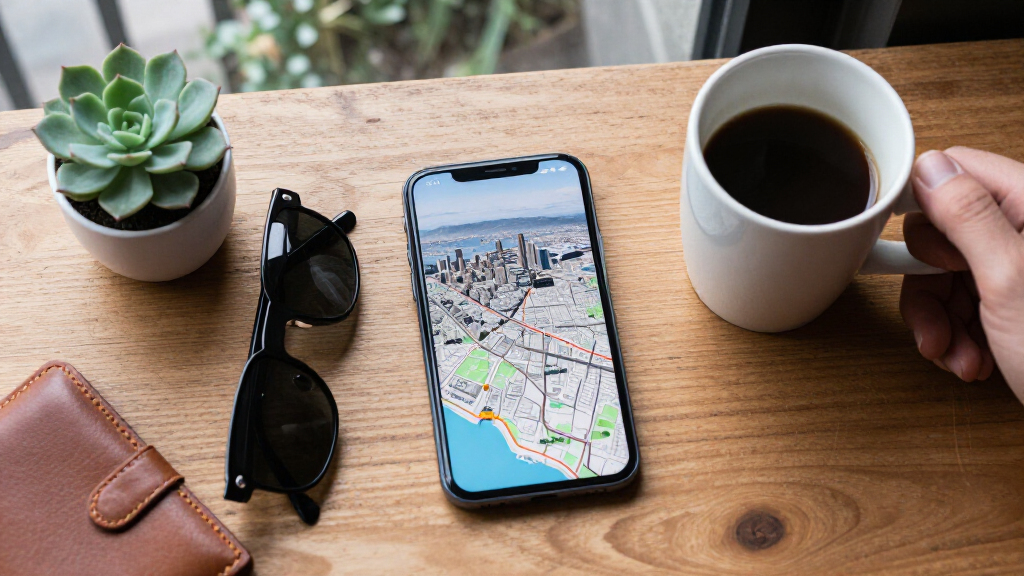
Sources close to the project confirm that the digital map will be built using a combination of satellite data, city records, and advanced 3D modeling techniques. The aim is to create an immersive experience that can be used for multiple purposes, including entertainment, virtual tourism, and urban planning simulations. The project has attracted interest from local authorities, who see potential benefits in urban planning and emergency response training.
While the project is still in its early phases, the developer emphasized that the digital city will be as accurate as possible, capturing the city’s unique architecture, street layouts, and even traffic patterns. The initiative is part of a broader trend toward digital twins—virtual replicas of real-world environments—being used across various industries.
Implications for Gaming, Urban Planning, and Digital Twins
This project demonstrates the growing potential of digital twin technology beyond industrial applications, extending into urban environments and entertainment. For gamers, it offers a new level of realism and immersion, allowing exploration of a real-world city in a virtual setting. For city officials and urban planners, such digital recreations can aid in planning, emergency preparedness, and infrastructure development. The initiative also raises questions about data privacy, digital ownership, and the future of virtual tourism.
As an affiliate, we earn on qualifying purchases.
Previous Uses of Digital Twins and Urban Digital Recreation
Digital twin technology has been used in industries like manufacturing, aerospace, and infrastructure management for years. Recently, cities such as Singapore and Dubai have developed virtual models to assist with urban planning and traffic management. However, recreating an entire major city like San Francisco for public use represents a significant leap in scale and detail. The project builds on prior efforts but aims for a level of fidelity that could transform how urban environments are experienced digitally.
The announcement follows other high-profile virtual city projects, such as the digital twin of Singapore, which is used for traffic optimization and urban development. The San Francisco project is distinct in its emphasis on consumer accessibility and entertainment applications, potentially broadening the scope of digital twin utility.
“We’re building a full-scale digital replica of San Francisco, capturing every street, landmark, and neighborhood in unprecedented detail.”
— CDNG Dev, via Twitter
wireless earbuds for virtual reality
As an affiliate, we earn on qualifying purchases.
As an affiliate, we earn on qualifying purchases.
Unresolved Details About Project Timeline and Usage
It is not yet clear when the digital city will be completed or available to the public. Details about the intended applications—whether primarily for gaming, urban planning, or other uses—remain vague. Additionally, questions about data privacy, licensing, and the scope of public access are still being discussed.
As an affiliate, we earn on qualifying purchases.
Next Steps in Development and Public Engagement
The developer plans to release periodic updates on the project’s progress, including beta versions for testing. City officials and potential users are expected to be involved in discussions about usage policies, privacy safeguards, and licensing. The project could also serve as a prototype for similar digital city recreations worldwide, depending on its success and adoption.
3D modeling software for urban planning
As an affiliate, we earn on qualifying purchases.
As an affiliate, we earn on qualifying purchases.
Key Questions
When will the digital San Francisco be available?
There is no confirmed release date yet; the project is currently in early development stages.
What will the digital city be used for?
The project aims to support gaming, virtual tourism, urban planning, and emergency training, among other applications.
How accurate will the digital recreation be?
The developer states it will be highly detailed, capturing landmarks, streets, and infrastructure with precision.
Are there privacy concerns with this project?
Privacy and data security are topics of ongoing discussion, especially regarding the use of city data and user access.
Could this lead to similar projects in other cities?
Yes, if successful, this approach could be replicated for other urban environments worldwide.
Source: hn