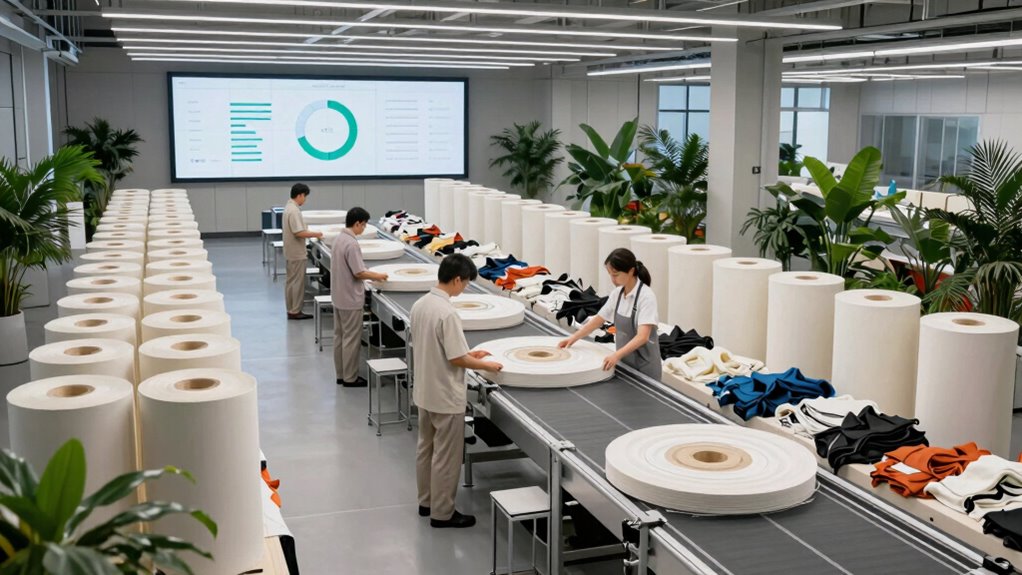

You’re seeing brands shift circular fashion from just a marketing buzzword to a core part of their operations because true sustainability requires systemic change. They’re redesigning products for durability, reuse, and recycling, while transforming supply chains for greater transparency and efficiency. By adopting data-driven metrics and innovative tech, they can reduce environmental impact and build trust. If you want to understand how this shift impacts the industry and your choices, keep exploring these transformative strategies.

Get the latest gadgets delivered free — and shop member deals
- Fast, free delivery on millions of items
- Access to Prime Big Deal Days deals on October 6–7
- Prime Video, Amazon Music and more included
Key Takeaways
- Companies integrate circular principles into core operations to ensure genuine sustainability rather than superficial marketing claims.
- Embedding circularity in supply chains enhances transparency, traceability, and lifecycle management of products.
- Data-driven metrics enable precise measurement of environmental impacts, guiding operational improvements.
- Technological innovations support sustainable manufacturing, recycling, and lifecycle tracking within business processes.
- Moving sustainability into operations provides cost savings, risk reduction, and strengthens brand reputation through authentic practices.

Have you ever wondered how the fashion industry is transforming to become more sustainable? It’s no longer just about marketing buzzwords or greenwashing; brands are increasingly integrating circular principles directly into their operations. This shift is driven by a realization that sustainability isn’t just a marketing tool but a critical component of long-term success. To truly embrace circular fashion, companies are rethinking their supply chains, making sustainability metrics a core part of their decision-making processes. This means tracking materials from sourcing to disposal, ensuring each step aligns with environmental and social goals. When you consider the supply chain, it becomes clear that it’s the backbone of this evolution. From sourcing eco-friendly materials to designing for durability, brands are embedding sustainability into every link. They’re establishing closed-loop systems where waste is minimized, and products are designed for reuse, repair, or recycling, rather than disposal. This operational overhaul requires transparency and accountability, which is where sustainability metrics come into play. Instead of superficial claims, brands now measure actual environmental impacts—carbon footprints, water usage, and waste reduction—integrating these metrics into their strategic planning. This data-driven approach helps identify inefficiencies, track progress, and set concrete goals, making sustainability a tangible part of daily operations. Moving sustainability from marketing to operational core also means rethinking how products are made and how businesses manage their resources. It involves redesigning supply chains to prioritize local sourcing, reducing transportation emissions, and choosing suppliers committed to circular principles. Developing electric bikes and bike generators can be part of a broader strategy to promote sustainable transportation and energy solutions. Additionally, leveraging advanced technologies like sustainable manufacturing can further optimize resource use and reduce environmental impact. Implementing digital tracking systems enables brands to monitor and verify the lifecycle of their products more accurately. Incorporating traceability systems allows brands to verify and communicate the sustainability of their products more effectively. As these practices become standard, you’ll notice brands investing in technologies like textile recycling and digital product passports that verify a product’s lifecycle. Furthermore, integrating sustainable business models into their core operations helps companies innovate around reuse and refurbishment strategies. This operational shift isn’t just about meeting consumer demands; it’s about redefining the entire business model. Companies realize that embracing circular fashion can lead to cost savings, reduced risks, and a stronger brand reputation rooted in genuine environmental responsibility. As a consumer, this means you’ll see more products designed with longevity and recyclability in mind, backed by transparent supply chain data and sustainability metrics. Ultimately, moving from marketing to operations signifies a fundamental change—one where sustainability isn’t an add-on but integrated into every decision. It transforms the way fashion brands source, produce, and dispose of their products, paving the way for a more circular, responsible industry that benefits both the planet and its people.
recyclable and durable fashion products
As an affiliate, we earn on qualifying purchases.
As an affiliate, we earn on qualifying purchases.
Frequently Asked Questions
How Does Circular Fashion Impact Supply Chain Management?
Circular fashion impacts your supply chain management by emphasizing sustainable material sourcing and waste reduction. You’ll need to source eco-friendly materials and establish closed-loop systems that reuse or recycle products. This shift encourages you to optimize inventory, reduce excess, and improve logistics. By integrating circular principles, you make your supply chain more sustainable, cost-effective, and aligned with consumer demand for environmentally responsible fashion, ultimately fostering loyalty and brand trust.
What Are the Costs Associated With Transitioning to Circular Operations?
Like forging a new path in uncharted territory, shifting to circular operations involves significant costs. You’ll face recycling costs that can strain your budget and labor implications that require training staff for new processes. While the initial investment may seem intimidating, embracing these changes can lead to long-term benefits, such as reduced waste and enhanced brand reputation. Prepare to navigate these challenges with resilience, knowing innovation often demands sacrifice upfront.
How Do Brands Measure Success in Circular Fashion Initiatives?
You measure success in circular fashion initiatives through sustainable metrics like waste reduction, resource efficiency, and product lifespan extension. These indicators show your environmental impact and progress toward circularity. Additionally, you’ll see increased brand loyalty as customers value your commitment to sustainability. Tracking improvements in these areas helps you understand how well your circular strategies resonate with consumers and contribute to long-term brand growth.
What Technological Innovations Support Circular Fashion in Operations?
Think of technological innovations supporting circular fashion in operations like a well-oiled machine. You leverage advanced recycling technologies to break down and repurpose textiles efficiently, reducing waste. Sustainable fabrics, such as recycled fibers, are integrated into production seamlessly, lowering environmental impact. These innovations streamline supply chains, enable closed-loop systems, and foster sustainability, making circular fashion more practical and scalable for your brand’s operational success.
How Do Consumer Behaviors Influence Circular Fashion Practices?
Your consumer mindset and purchasing habits directly influence circular fashion practices. When you prioritize sustainability and choose to buy fewer, higher-quality items, you’re supporting brands that focus on recycling, repurposing, and durability. Your demand for eco-friendly options encourages companies to adopt circular models, reducing waste and extending product lifecycles. By making conscious choices, you help shift the industry toward more sustainable operations, reinforcing the importance of circularity in fashion.
sustainable clothing with lifecycle tracking
As an affiliate, we earn on qualifying purchases.
As an affiliate, we earn on qualifying purchases.
Conclusion
As you embrace circular fashion’s shift from marketing to operations, you’re at the forefront of sustainable change. Did you know that the fashion industry generates over 92 million tons of waste annually? By integrating circular practices into your operations, you can considerably reduce waste and boost efficiency. This evolution isn’t just good for the planet—it’s a smart move for your business. Embrace the change, and you’ll lead the way toward a more sustainable, innovative future.
eco-friendly supply chain management tools
As an affiliate, we earn on qualifying purchases.
As an affiliate, we earn on qualifying purchases.
As an affiliate, we earn on qualifying purchases.
Fall Picks
fall essentials
As an affiliate, we earn on qualifying purchases.