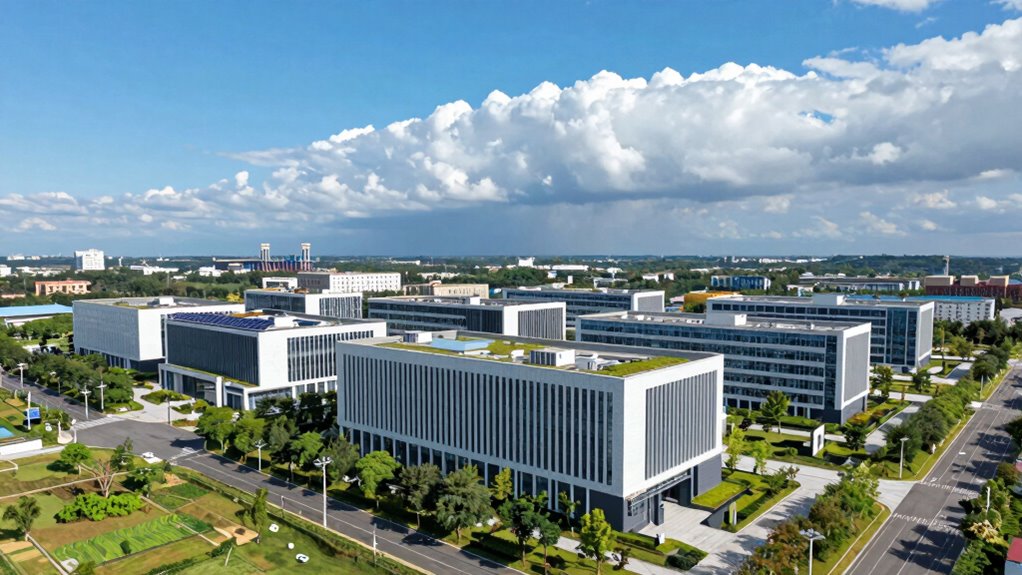

Climate risks are shifting how you choose new sites by highlighting vulnerabilities to severe weather, rising sea levels, and stricter regulations. You need to contemplate infrastructure resilience and supply chain stability in vulnerable regions to avoid costly disruptions. Proactive assessments help you select locations with strong climate adaptation measures, protecting long-term operations and reputation. Understanding these factors now will help you make smarter decisions and stay ahead in a changing climate—keep exploring to learn more.

Get the latest gadgets delivered free with Prime
- Fast, free delivery on millions of items
- Prime Video, Amazon Music and more included
- Member-only deals all year
Key Takeaways
- Companies prioritize locations with resilient infrastructure to mitigate disruptions from extreme weather events.
- Climate risk assessments influence site selection to avoid regions vulnerable to flooding, hurricanes, or droughts.
- Regulatory compliance considerations lead firms to choose areas with proactive climate policies and sustainability standards.
- Incorporating climate resilience strategies reduces future retrofitting costs and enhances long-term operational stability.
- Demonstrating commitment to sustainability through site choices strengthens reputation and stakeholder trust.
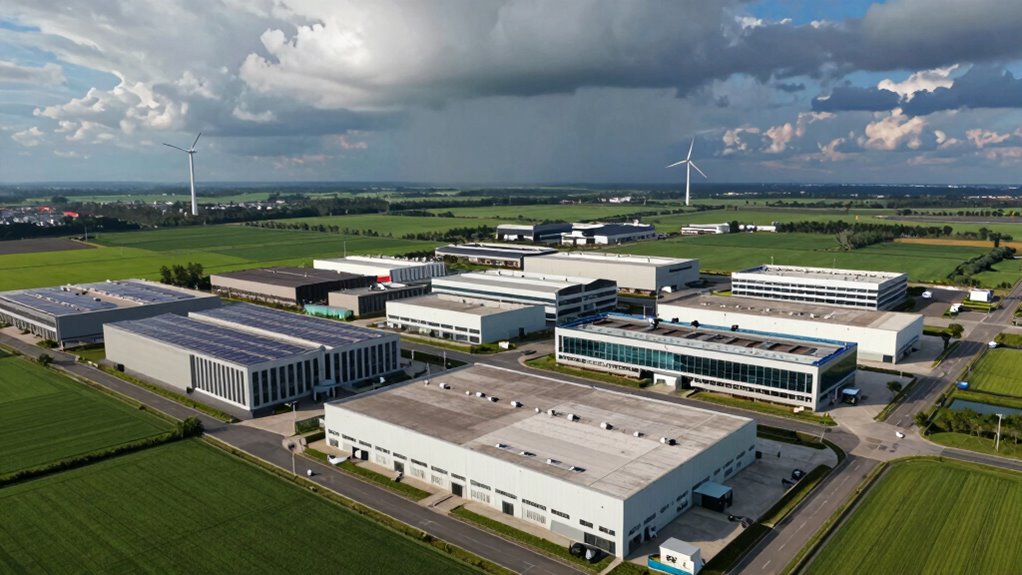
Climate risks are increasingly shaping how companies choose their locations, as the impacts of severe weather events, rising sea levels, and changing regulations become more apparent. You can’t ignore the fact that extreme weather can disrupt your supply chains, leading to delays, increased costs, and lost revenue. When selecting a site, you need to assess how vulnerable your supply chain might be to climate-related disruptions. For example, if your suppliers are concentrated in flood-prone areas or regions susceptible to hurricanes, your operations could face significant risks. By understanding these vulnerabilities upfront, you can better position your company in locations less exposed to climate threats, ensuring smoother logistics and fewer operational hiccups.
Assess supply chain vulnerability to climate threats to ensure smoother logistics and reduce operational risks.
Beyond supply chain vulnerabilities, regulatory compliance is another critical factor reshaping site decisions. Governments worldwide are tightening environmental regulations, pushing companies to adapt quickly or face penalties. You must consider not only current laws but also potential future changes when evaluating sites. For instance, a region with lax environmental standards might seem attractive initially, but new regulations could soon impose costly requirements that hinder your operations. Conversely, choosing a location with proactive climate policies and strong sustainability commitments can help you stay ahead of regulation curves, reducing compliance risks and fostering positive community relations. Failing to anticipate these regulatory shifts might lead to costly retrofits or operational shutdowns, so your site selection process needs to include thorough regulatory climate assessments. Additionally, understanding climate risk can help you identify areas where infrastructure resilience is critical, as infrastructure that can withstand extreme weather events is vital for operational stability. Incorporating climate risk assessments into your planning can further enhance your ability to make informed decisions that mitigate future disruptions. In fact, investing in infrastructure that aligns with climate resilience standards can lead to long-term savings and operational stability.
Furthermore, climate risks influence infrastructure resilience—an essential element of site selection. You’ll want to evaluate whether local infrastructure can withstand extreme weather events without causing prolonged outages. This means examining the robustness of roads, power grids, and water supply systems. If a potential site is vulnerable to flooding or heatwaves that could strain infrastructure, you’ll need to weigh those risks against the benefits of relocating or investing in resilience measures. Such considerations help protect your investment and ensure steady operations despite climate challenges. Considering climate adaptation strategies during site assessment can provide additional safeguards against future climate uncertainties, helping you prepare for various scenarios.
Finally, your company’s reputation and stakeholder expectations are increasingly tied to environmental responsibility. Selecting sites with low climate risks demonstrates your commitment to sustainability and risk management, which can boost your brand image and appeal to eco-conscious customers and investors. As climate risks become more evident, integrating these factors into your site selection process isn’t just prudent—it’s essential for long-term success. By proactively addressing supply chain vulnerabilities, regulatory compliance, infrastructure resilience, and reputation, you position your business to thrive amid the evolving climate landscape.
As an affiliate, we earn on qualifying purchases.
Frequently Asked Questions
How Do Companies Measure Climate Risk for Site Selection?
You measure climate risk for site selection by conducting thorough risk assessments that include climate modeling. This process helps you predict potential impacts like flooding, heatwaves, or storms on the location. You analyze historical climate data, future projections, and local vulnerabilities to evaluate risks. This way, you guarantee your site choice minimizes climate-related threats, aligning your business strategy with long-term sustainability and resilience.
What Are the Long-Term Economic Impacts of Climate Risks?
Have you considered how climate vulnerability could threaten your business’s future? The long-term economic impacts include increased costs from damage and disruption, reduced productivity, and higher insurance premiums. These risks challenge your economic resilience, potentially leading to decreased profitability and market value. By proactively addressing climate risks now, you better safeguard your company’s stability and growth, ensuring you’re prepared for the economic shifts climate change will inevitably bring.
How Do Local Regulations Influence Site Selection Decisions?
Local policies and zoning laws directly influence your site selection process. You need to guarantee the area complies with local regulations, which can restrict or facilitate certain types of development. Changes in local policy, especially regarding climate resilience or environmental standards, can impact your options, costs, and timelines. Staying updated on zoning laws helps you choose locations that align with your sustainability goals and avoid future regulatory challenges.
Can Climate Risk Considerations Delay Project Timelines Significantly?
They say a stitch in time saves nine, and the same applies to climate risk. Considering climate resilience and risk mitigation can indeed delay project timelines, especially if sites need upgrades or adjustments to withstand climate impacts. Thorough assessments might take extra planning, but addressing these risks early on ultimately saves time and costs. Ignoring climate considerations could lead to more significant delays or damages down the line.
How Do Companies Balance Climate Risk With Other Site Factors?
You balance climate risk with other site factors by prioritizing community resilience and renewable energy opportunities. You evaluate how resilient a community is to climate impacts and opt for locations with strong infrastructure. Incorporating renewable energy reduces your carbon footprint and aligns with sustainability goals. This approach helps you mitigate risks while supporting long-term growth, ensuring that your site selection promotes both operational stability and environmental responsibility.
resilient infrastructure for business
As an affiliate, we earn on qualifying purchases.
As an affiliate, we earn on qualifying purchases.
Conclusion
As you weigh potential sites, remember that ignoring climate risk is like ignoring the weather forecast—you might enjoy a sunny day, but you’re unprepared for the storm. While economic factors often dominate site selection, climate resilience now commands equal attention, shaping the future of your business. Embrace this shift, not as a hurdle, but as an opportunity to build sustainable, resilient operations that weather any storm—because in today’s world, foresight is your strongest asset.
supply chain risk management software
As an affiliate, we earn on qualifying purchases.
As an affiliate, we earn on qualifying purchases.
environmental compliance monitoring devices
As an affiliate, we earn on qualifying purchases.
As an affiliate, we earn on qualifying purchases.
Halloween Picks
halloween
As an affiliate, we earn on qualifying purchases.