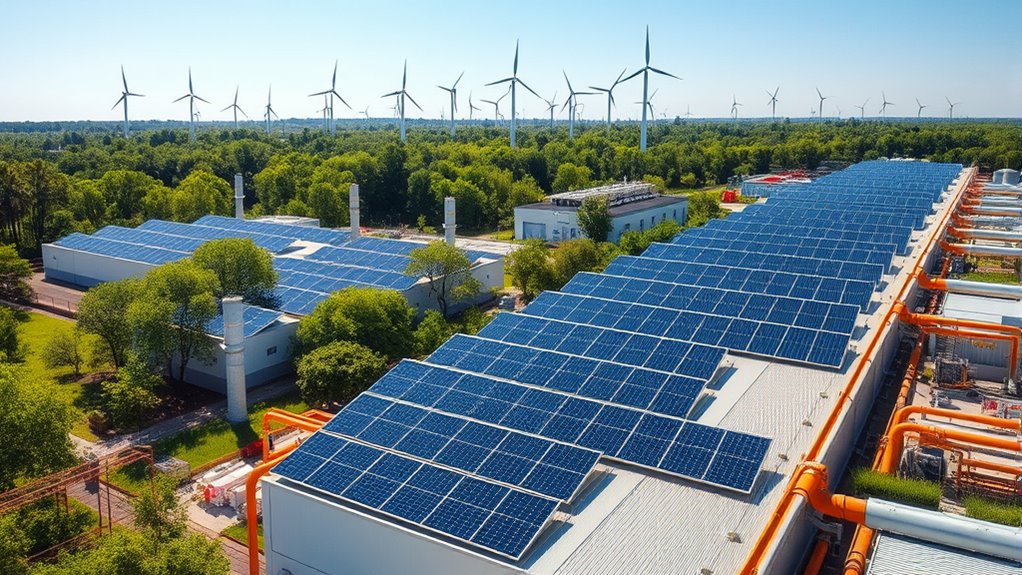

Green manufacturing focuses on boosting energy efficiency and achieving carbon neutrality by using eco-friendly methods, renewable energy, and smarter technology. You can help by supporting companies that adopt sustainable practices such as waste reduction, recycled materials, and clean energy sources. This approach not only benefits the environment but can also lower costs and improve product quality. Keep exploring to discover more ways green manufacturing influences your choices and benefits our planet.

Get the latest gadgets delivered free with Prime
- Fast, free delivery on millions of items
- Prime Video, Amazon Music and more included
- Member-only deals all year
Key Takeaways
- Implements advanced energy management systems and automation to optimize power use and reduce waste.
- Integrates renewable energy sources like solar and wind into manufacturing processes to lower carbon emissions.
- Designs products and processes to minimize waste, promote recycling, and support material sustainability.
- Uses energy-efficient machinery and supports responsible manufacturing practices to achieve carbon neutrality.
- Encourages transparency and corporate commitments to renewable energy and emission offsetting for environmental goals.
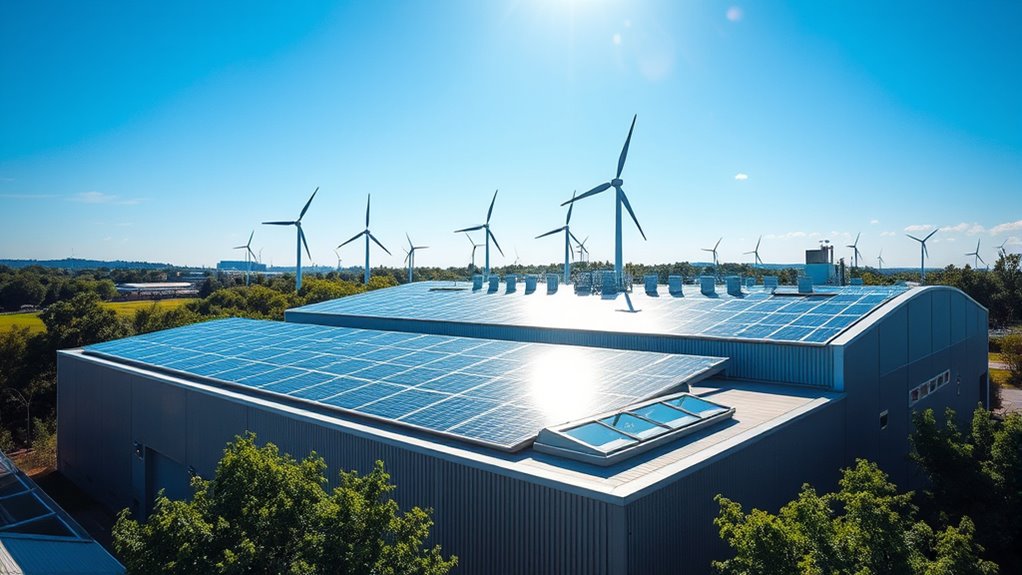
Green manufacturing is revolutionizing how products are made by prioritizing sustainability and environmental responsibility. You might not realize it, but every step you take to support eco-friendly production methods helps reduce our collective carbon footprint. This approach emphasizes energy efficiency and aims for carbon neutrality, meaning manufacturers endeavor to generate as much renewable energy as they consume or offset their emissions entirely. By adopting these practices, you’re contributing to a cleaner, healthier planet for future generations.
Supporting eco-friendly manufacturing reduces our collective carbon footprint and promotes a healthier planet for future generations.
In practice, green manufacturing involves implementing smarter energy management systems that optimize power usage across production lines. Instead of wasting energy, factories now incorporate advanced sensors and automation to ensure equipment runs only when needed, reducing unnecessary consumption. For you, this means supporting companies that invest in energy-efficient machinery and technologies, which often lead to lower costs and less environmental impact. Manufacturers also turn to renewable energy sources like solar, wind, or hydro power, decreasing reliance on fossil fuels. You can look for products labeled as made with renewable energy, knowing that your purchasing choices promote cleaner energy use.
Another key aspect is the redesign of manufacturing processes to minimize waste and emissions. This includes using eco-friendly materials, recycling scrap, and improving product designs to be more sustainable. When you buy from companies committed to green manufacturing, you’re encouraging the development of products that are easier to recycle or repurpose, therefore closing the loop in material use. Additionally, many manufacturers are now calculating and offsetting their carbon emissions through initiatives like reforestation or investing in renewable projects. As a consumer, you can support these efforts by choosing brands that publicly commit to carbon neutrality and transparency about their sustainability goals. Incorporating renewable energy sources into manufacturing processes is a vital step toward achieving true sustainability.
Implementing energy efficiency and carbon neutrality isn’t just good for the environment—it can also boost a company’s competitiveness. Efficient energy use lowers operational costs, allowing companies to invest more in innovation and sustainable practices. For you, this often translates into better-quality products that are produced responsibly, giving you peace of mind about your purchases. Furthermore, as governments and organizations push for stricter environmental standards, companies adopting green manufacturing practices stay ahead of regulations, ensuring their longevity and your continued access to eco-conscious products.
Ultimately, your role in this shift is essential. By supporting companies that prioritize renewable energy, waste reduction, and carbon neutrality, you help create a market where sustainability becomes the norm. Your choices influence industry standards, encouraging more manufacturers to adopt energy-efficient and environmentally friendly practices. Green manufacturing isn’t just a trend; it’s a necessary evolution toward a sustainable future, and your support can accelerate this positive change.
energy-efficient manufacturing machinery
As an affiliate, we earn on qualifying purchases.
As an affiliate, we earn on qualifying purchases.
Frequently Asked Questions
How Does Green Manufacturing Impact Product Quality?
Green manufacturing often improves product quality by encouraging the use of sustainable materials and innovative processes. You’ll notice better durability and performance because eco-friendly practices focus on reducing contaminants and waste. Additionally, sustainable methods foster stricter quality controls, leading to more consistent products. By prioritizing environmental responsibility, you not only help protect the planet but also enhance your products’ reputation, ultimately satisfying consumers who seek high-quality, eco-conscious options.
What Are the Initial Costs of Adopting Green Manufacturing?
The initial costs of adopting green manufacturing can be significant, including investing in new equipment, upgrading existing facilities, and training staff. You might also face costs for sourcing eco-friendly materials or obtaining certifications. While these expenses can seem high upfront, they often lead to long-term savings through energy efficiency, waste reduction, and improved brand reputation. Embracing green practices now positions you for sustainable growth and competitive advantage.
How Can Small Businesses Implement Energy-Efficient Practices?
Imagine reducing your energy bills by upgrading to LED lighting. You can implement energy-efficient practices by conducting an energy audit to identify waste, then upgrading equipment and lighting. Encourage employees to turn off machines when not in use and optimize production schedules for efficiency. Small steps like these lead to significant savings over time, making your business more sustainable and competitive while lowering your carbon footprint.
Are Green Manufacturing Certifications Recognized Internationally?
Yes, green manufacturing certifications are recognized internationally, but recognition varies by region and industry. You can boost credibility by pursuing globally acknowledged standards like ISO 14001 or LEED. These certifications demonstrate your commitment to sustainability and can open doors to international markets. Keep in mind, some certifications might carry more weight in specific countries or sectors, so research your target markets thoroughly to maximize their impact.
What Role Do Government Policies Play in Promoting Green Manufacturing?
Government policies play a vital role in promoting green manufacturing by setting regulations, providing incentives, and establishing standards that encourage sustainable practices. You’re likely to see policies like tax credits or subsidies that motivate manufacturers to adopt eco-friendly technologies. Additionally, governments enforce environmental laws that push industries toward energy efficiency and lower emissions, creating a level playing field and fostering innovation in green manufacturing initiatives.
solar powered industrial equipment
As an affiliate, we earn on qualifying purchases.
As an affiliate, we earn on qualifying purchases.
Conclusion
As you embrace green manufacturing, remember it’s like planting a tree—you may not see immediate fruit, but your efforts grow into a sustainable future. Just as a single tree can improve air quality, your commitment to energy efficiency and carbon neutrality contributes to a healthier planet. By making these changes, you become part of a larger movement that’s transforming industries and safeguarding our environment for generations to come. Every step you take helps build a greener, more resilient world.
recycled materials for manufacturing
As an affiliate, we earn on qualifying purchases.
As an affiliate, we earn on qualifying purchases.
As an affiliate, we earn on qualifying purchases.
Halloween Picks
halloween
As an affiliate, we earn on qualifying purchases.