
To retain top talent in hybrid teams, focus on building strong connections through regular check-ins, fostering psychological safety, and promoting transparency. Empower your leaders with clear communication tools and emotional intelligence skills. Support employee well-being by recognizing individual needs and offering flexibility. Cultivate a sense of community with virtual events and collaborative projects. Prioritize continuous growth opportunities to keep your team motivated. Keep exploring, and you’ll discover how these strategies can transform your talent retention approach.
Key Takeaways
- Foster strong employee engagement through regular check-ins, transparent communication, and psychological safety to build trust and commitment.
- Equip leaders with emotional intelligence, clear expectations, and digital tools to effectively manage and motivate hybrid teams.
- Prioritize employee well-being and inclusivity by recognizing individual needs and creating a supportive, open work environment.
- Promote flexibility and community-building initiatives to strengthen team connection and shared purpose across remote and in-office members.
- Invest in continuous development, mentorship, and career pathways to enhance growth, loyalty, and retention in hybrid roles.

Retaining top talent is more essential than ever in today’s competitive landscape, and a well-crafted playbook can make all the difference. In a hybrid work environment, where employees split time between home and office, maintaining high levels of employee engagement becomes both more challenging and more indispensable. You need strategies that foster a sense of connection, purpose, and commitment regardless of physical location. When your team feels genuinely engaged, they’re more likely to stay committed, perform at their best, and contribute to your organization’s success.
A key component of this playbook involves focusing on leadership development. You must empower managers to lead effectively across hybrid settings. This means providing them with the tools to communicate clearly, set expectations, and recognize achievements remotely. Strong leaders serve as the backbone of employee engagement; when they prioritize listening and understanding individual needs, employees feel valued and motivated. Leadership development isn’t just about honing technical skills but cultivating emotional intelligence and adaptability, which are essential in a hybrid world. As you invest in your leaders, they’ll better support their teams, foster trust, and create a positive work culture that transcends physical boundaries. Incorporating effective communication strategies can significantly enhance your leadership impact in this context. Additionally, understanding digital communication tools can help facilitate seamless interaction and collaboration across diverse work environments. Recognizing the importance of employee well-being can further elevate your engagement efforts by addressing holistic needs beyond work tasks.
To succeed in this environment, you should also implement regular check-ins that go beyond task updates. These interactions should aim to understand your employees’ well-being, aspirations, and challenges. Doing so helps you identify engagement gaps early and address them proactively. Incorporating psychological safety into your conversations can encourage openness and vulnerability, strengthening team cohesion. It’s also important to promote transparency and provide avenues for feedback, making employees feel heard and involved. When people see their input leading to tangible changes, their sense of ownership and loyalty increases.
Additionally, understanding different hair types and preferences can help tailor engagement strategies, ensuring everyone feels comfortable and valued in the workplace. When people see their individual needs acknowledged, their commitment to the organization strengthens. When people see their input leading to tangible changes, their sense of ownership and loyalty increases. Recognizing and accommodating individual differences can contribute to a more inclusive and engaged environment.
Your playbook should emphasize flexibility, recognizing that work-life balance is essential for retention. Offering flexible hours or remote work options demonstrates that you value your employees’ personal needs, which boosts engagement and reduces turnover. Additionally, fostering a strong sense of community through virtual events, collaborative projects, or informal check-ins helps build camaraderie, even from afar. The more connected your team feels—regardless of where they work—the more likely they are to stay committed.
Ultimately, your talent retention playbook must prioritize continuous development opportunities. Invest in training, mentorship, and leadership programs that help employees grow professionally. When team members see a clear path for advancement and feel supported in their development, they’re more inclined to remain loyal. By integrating these elements—employee engagement, leadership development, flexibility, and community—you create a resilient, motivated hybrid team ready to thrive in today’s dynamic work environment.

The Ultimate Microsoft Teams 2025 Guide for Beginners: Mastering Microsoft Teams: A Beginner’s Guide to Powerful Collaboration, Communication, and Productivity in the Modern Workplace
As an affiliate, we earn on qualifying purchases.
As an affiliate, we earn on qualifying purchases.
Frequently Asked Questions
How Do I Measure the Success of Retention Strategies?
To measure the success of your retention strategies, focus on performance metrics like turnover rates, engagement scores, and productivity levels. Regularly gather feedback through surveys and one-on-one conversations to identify what’s working and what needs improvement. Use feedback loops to adjust your approach continuously. When you track these metrics and listen to your team, you’ll see clear indicators of how well your retention efforts are paying off.
What Specific Tools Enhance Remote Employee Engagement?
You can enhance remote employee engagement by utilizing engagement platforms that foster communication and collaboration. Virtual recognition tools are also essential; they let you celebrate achievements in real-time, boosting morale. These platforms create a sense of community, making remote workers feel valued and connected. By integrating virtual recognition and engagement platforms into your routine, you guarantee your team stays motivated, engaged, and committed to your organization’s success.
How Can Managers Identify At-Risk Team Members Early?
Imagine your team as a garden; early warning signs like decreased communication or missed deadlines are like wilting leaves. You can spot engagement indicators by monitoring participation in meetings, feedback frequency, and workload consistency. Regular check-ins help you catch these signs early, allowing you to nurture at-risk team members before disengagement spreads. Recognizing these signals promptly keeps your team thriving, even in hybrid settings.
What Are Cost-Effective Retention Initiatives for Small Teams?
You can implement cost-effective retention initiatives like performance incentives and peer recognition programs. Offer small but meaningful rewards for achievements to boost motivation. Encourage peer recognition through simple shout-outs or digital badges, fostering a supportive team culture. These strategies are budget-friendly and enhance engagement, making team members feel valued and appreciated. Regularly celebrating successes helps reduce turnover and keeps your small team motivated and committed.
How Do Company Culture and Values Influence Retention?
Company culture and values shape loyalty, spark motivation, and foster belonging. When you prioritize employee recognition and invest in leadership development, you create a workplace where people feel valued, inspired, and committed. Clear values guide behavior, strengthen trust, and align everyone’s efforts. As you nurture these elements, you build a resilient environment where talent stays, grows, and thrives—making retention not just a goal, but a natural outcome of your thriving culture.
employee engagement check-in software
As an affiliate, we earn on qualifying purchases.
As an affiliate, we earn on qualifying purchases.
Conclusion
So, there you have it—your foolproof playbook to keep your hybrid team from vanishing into the abyss of turnover. Just follow these tips, sprinkle in some genuine care, and maybe, just maybe, you’ll avoid the dreaded “We couldn’t keep them” email. After all, who needs a talent pipeline when you can master the art of pretending to care? Cheers to making retention look effortless—because, let’s face it, who doesn’t love a good illusion?
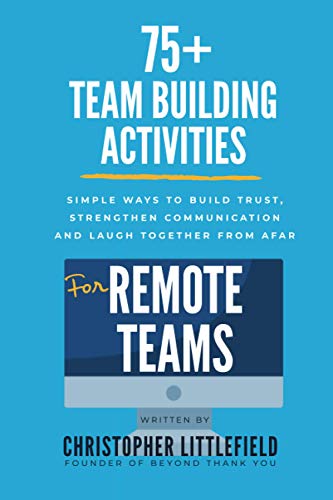
75+Team Building Activities for Remote Teams: Simple Ways to Build Trust, Strengthen Communications, and Laugh Together from Afar
As an affiliate, we earn on qualifying purchases.
As an affiliate, we earn on qualifying purchases.

MBM 80 Advanced Grow Cards – Leadership Development Resources & Strategic Thinking Exercises for Coaches, HR Programs & Executive Training | Emotional Intelligence & Conversation Starters
FOR EXPERIENCED COACHES & LEADERSHIP TRAINERS – Designed for established coaches and leadership development professionals, this deck offers…
As an affiliate, we earn on qualifying purchases.
As an affiliate, we earn on qualifying purchases.