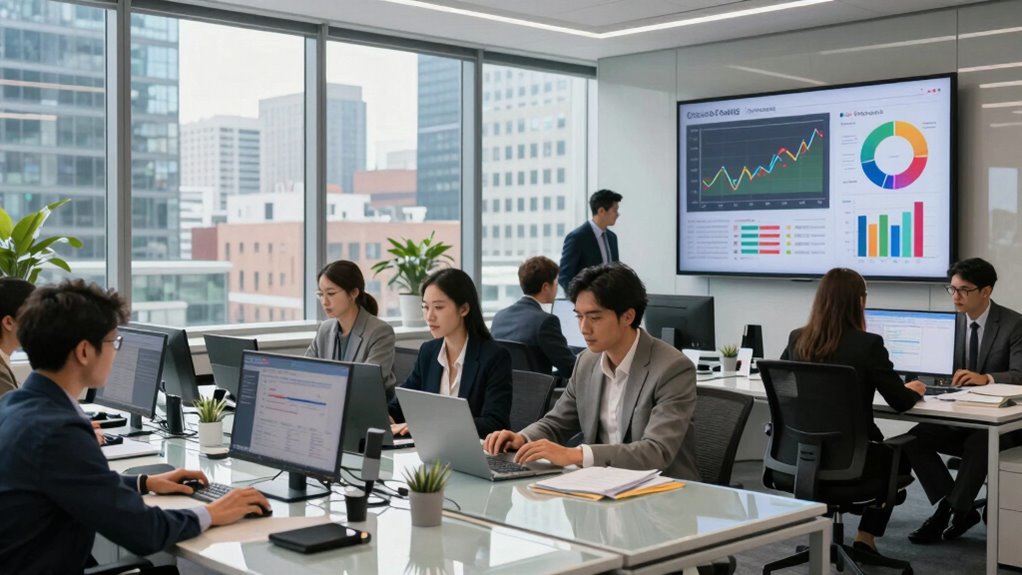

Nearshoring lowers your costs by reducing transportation expenses and strengthens supply chain resilience, helping you avoid delays and disruptions. It also speeds up your delivery times, making schedules more reliable and allowing you to respond quickly to market changes. Plus, it minimizes risks linked to global instability by bringing production closer to home, enabling better quality control and environmental planning. Keep exploring to discover how these benefits can transform your business strategy even further.
Key Takeaways
- Nearshoring lowers transportation and logistics costs by reducing distance and shipping times.
- It accelerates response and delivery times, improving overall speed and reliability.
- Nearshoring minimizes risks from global disruptions like political instability and customs delays.
- It enhances workforce flexibility, enabling quicker adaptation to market changes.
- Proximity facilitates better quality control and environmental planning, reducing waste and ensuring compliance.
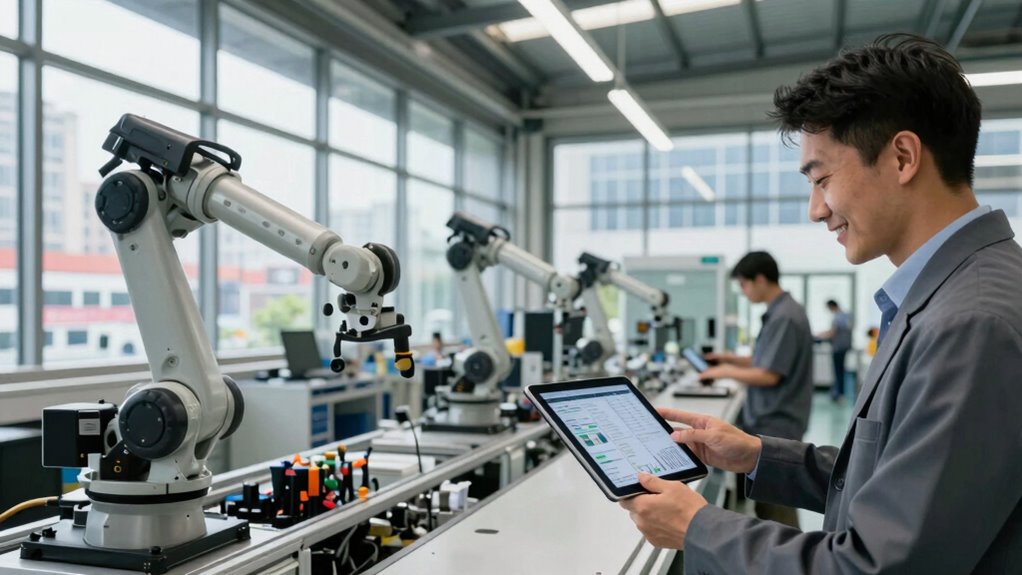
Have you considered how nearshoring can transform your business operations? It’s a strategic move that can notably impact your costs, speed, and risk management all at once. When you shift parts of your supply chain closer to your home base, you’re not just reducing transportation expenses—you’re strengthening your supply chain resilience. By sourcing from nearby regions, you become less vulnerable to global disruptions like delays, political instability, or customs hold-ups. This proximity allows for quicker response times and more reliable delivery schedules, ensuring your supply chain remains steady even in turbulent times. With increased supply chain resilience, you can better meet customer expectations and avoid costly stockouts or delays, ultimately boosting your reputation and bottom line.
Nearshoring enhances supply chain resilience, reduces disruptions, and ensures reliable, quicker delivery to meet customer expectations.
Nearshoring also enhances workforce agility, giving you the flexibility to adapt quickly to changing market demands. When your production or service centers are closer, you can more easily scale operations up or down without facing long lead times or logistical hurdles. This agility means you can respond faster to trends, customize offerings, and experiment with new products or services without the fear of extended delays. Additionally, working with nearby talent pools often results in better communication and collaboration, allowing your teams to troubleshoot issues swiftly and innovate more effectively. This improved workforce agility accelerates your ability to pivot in response to market shifts, keeping you competitive in dynamic industries. Moreover, local talent pools can often provide specialized skills that are essential for maintaining high product standards and fostering innovation. Investing in training and development programs can further enhance this advantage by ensuring your team remains skilled and adaptable in a rapidly changing landscape. Ensuring consistent quality control** is also vital; proximity enables more frequent inspections and quicker adjustments to maintain product standards, reducing waste and rework costs. Additionally, environmental factors** can further influence supply chain sustainability, especially when considering regions with unique environmental challenges, making your strategic planning more comprehensive.

Bike Chain Tool 3 Pcs, Bicycle Link Plier + Chain Drift Tool + Chain Hook Chains Breaker Bikes Chain Removal Tools
【3-in-1 Comprehensive Bike Chain Repair Kit】: This bike chain repair kit includes three essential chain tool components: a…
As an affiliate, we earn on qualifying purchases.
As an affiliate, we earn on qualifying purchases.
Frequently Asked Questions
How Does Nearshoring Affect Long-Term Business Scalability?
Nearshoring boosts your long-term scalability by strengthening supply chain resilience and reducing dependence on distant suppliers. You can adapt technologically more easily, streamlining operations and responding quickly to market changes. This agility allows you to expand faster, invest confidently, and minimize risks associated with global disruptions. As a result, nearshoring helps you build a more flexible, scalable business foundation capable of sustained growth and innovation.
What Industries Benefit Most From Nearshoring Strategies?
You’ll find that manufacturing, technology, and customer service industries benefit most from nearshoring strategies. Think of it as a well-tuned supply chain orchestra, where diverse workforce talent and proximity create harmony. Nearshoring reduces logistics costs, enhances communication, and promotes workforce diversity, leading to faster innovation and better customer insights. This strategy helps you adapt quickly and scale efficiently, making your business more competitive in today’s global market.
How Does Nearshoring Influence Company Culture and Employee Integration?
Nearshoring influences your company culture and employee integration by fostering cultural adaptation, which helps teams work more cohesively. You’ll notice increased employee engagement as staff feel more connected through shared time zones and similar cultural backgrounds. This alignment reduces misunderstandings and builds trust, making collaboration smoother. Overall, nearshoring strengthens your workforce’s unity, leading to better communication, higher morale, and a more cohesive company culture.
What Are the Common Challenges Faced When Nearshoring?
They say, “A chain is only as strong as its weakest link,” and nearshoring presents similar challenges. You might face supply chain disruptions and struggle with regulatory compliance, especially across borders. Communication gaps and cultural differences can slow progress, while unexpected costs and legal hurdles often arise. Staying adaptable and proactive helps you navigate these common nearshoring challenges, ensuring smoother operations and better integration with your new team.
How Does Nearshoring Impact Intellectual Property Protection?
Nearshoring can improve your intellectual security by fostering closer collaboration and easier oversight, but it also introduces risks to patent protection. You need to implement strong legal agreements and work with local legal experts to safeguard your intellectual property. Stay vigilant and make certain your team understands the importance of protecting your innovations, as proximity alone doesn’t guarantee thorough patent protection or prevent intellectual theft.

Supply Chain Management For Dummies
As an affiliate, we earn on qualifying purchases.
As an affiliate, we earn on qualifying purchases.
Conclusion
By nearshoring, you’re not just cutting costs—you’re speeding up delivery times and reducing risks all at once. This strategy allows you to be more agile, responsive, and resilient in today’s fast-paced market. The theory that nearshoring only saves money doesn’t hold up; it transforms your entire supply chain. Embrace nearshoring, and you’ll find yourself better positioned to thrive amid uncertainties, turning challenges into opportunities for growth and innovation.
nearshore manufacturing equipment
As an affiliate, we earn on qualifying purchases.
As an affiliate, we earn on qualifying purchases.

Job Training Partnership Act: Job Cost, Job Outcome: Hearing Before the Employment, Housing, and Aviation Subcommittee on Government Operations, House … Session, April 29, 1993 (Classic Reprint)
As an affiliate, we earn on qualifying purchases.
As an affiliate, we earn on qualifying purchases.