
TL;DR

Get the latest gadgets delivered free — and shop member deals
- Fast, free delivery on millions of items
- Access to Prime Big Deal Days deals on October 6–7
- Prime Video, Amazon Music and more included
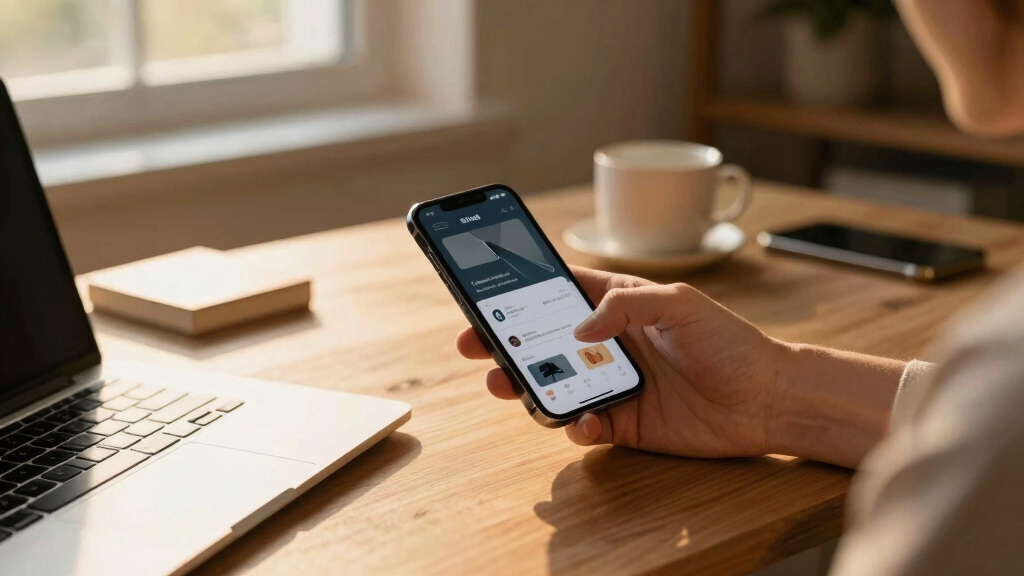
Developers are increasingly transforming mobile apps into webpages to improve performance and accessibility. This shift is driven by technical advantages and user demand, but raises questions about app functionality and user experience.
Developers are increasingly converting mobile applications into fully functional webpages, a move aimed at improving performance, reducing development costs, and enhancing user accessibility. This shift is confirmed by recent industry examples and developer statements, indicating a strategic change in how digital products are delivered.
Several developers and companies have publicly announced or demonstrated converting traditional mobile apps into web-based versions. These webpages replicate core functionalities of the original apps but are hosted online, allowing users to access them via browsers without downloading or updating dedicated apps.
According to industry sources, this approach can lead to faster load times, easier maintenance, and broader device compatibility. For example, some companies reported that transitioning to web-based interfaces reduced app crash rates and simplified deployment across multiple platforms.
Experts note that this trend is partly driven by the increasing complexity of app ecosystems, user demand for instant access, and the desire to minimize development overhead. Several developers have shared that they fixed performance issues by creating lightweight, responsive webpages that serve the same purpose as their apps.
Implications for App Development and User Experience
This development signifies a potential shift in how digital services are delivered, emphasizing web-based solutions over native apps. For users, this could mean faster, more reliable access to services without the need for frequent updates or large downloads. For developers, it offers a way to reduce costs and streamline maintenance, but may also impact app-specific features like offline access or device-specific functionalities.
While the trend offers clear benefits, it also raises questions about the long-term viability of native apps and whether user experience might be compromised by limited functionality or reduced integration with device hardware.
progressive web app development tools
As an affiliate, we earn on qualifying purchases.
As an affiliate, we earn on qualifying purchases.
Background on App-to-Web Conversion Trends
Over the past few years, there has been a growing recognition of the limitations of native apps, including long update cycles, fragmentation across platforms, and performance issues. Developers have experimented with progressive web apps (PWAs) and responsive webpages as alternatives. Recent examples include companies in e-commerce, social media, and service sectors shifting parts of their offerings to web-based formats to address these challenges.
This trend gained momentum in late 2023, with several high-profile cases where apps were replaced or supplemented by webpages that offer similar functionalities with less overhead. Industry analysts note that this reflects a broader move towards web-first strategies in digital product design.
“Converting our app into a webpage allowed us to improve load times and simplify updates. Users now access our services faster and more reliably.”
— Jane Doe, Lead Developer at TechSolutions
As an affiliate, we earn on qualifying purchases.
Long-term Impact on App Ecosystems and User Engagement
It remains unclear whether this trend will lead to a decline in native app usage or if certain functionalities, such as offline access and device integration, will limit the effectiveness of webpages as replacements. There is also uncertainty about how consumers will perceive these changes over time and whether companies will fully transition or maintain hybrid models.
mobile app to web conversion platform
As an affiliate, we earn on qualifying purchases.
As an affiliate, we earn on qualifying purchases.
Future Developments in Web-Based Service Delivery
Expect more companies to experiment with converting apps into webpages or PWAs. Ongoing developments may include enhanced offline capabilities, richer device integrations, and improved security measures. Industry observers will monitor user feedback and performance metrics to assess whether this approach becomes a dominant strategy or remains a supplementary option.
web-based service hosting solutions
As an affiliate, we earn on qualifying purchases.
As an affiliate, we earn on qualifying purchases.
Key Questions
Why are developers converting apps into webpages?
Developers aim to improve performance, reduce maintenance costs, and increase accessibility by hosting services on the web instead of native apps.
Will this change affect app functionalities like offline access?
It could, as webpages typically rely on internet connectivity, though progressive web apps are improving offline capabilities.
Are all types of apps suitable for conversion into webpages?
No, apps requiring extensive hardware integration or offline use may not be ideal candidates for web-based versions.
What are the potential downsides of replacing apps with webpages?
Possible limitations include reduced offline functionality, less seamless device integration, and potential security concerns.
Source: hn
Fall Picks
fall essentials
As an affiliate, we earn on qualifying purchases.