Learning a skill with your hands boosts your creativity, focus, and brain flexibility in surprising ways. Engaging physically activates different parts of your brain, promoting neuroplasticity and improving memory and problem-solving. It also helps you stay present, block distractions, and build resilience through persistence. As you master new techniques, you gain confidence and emotional strength. Keep exploring these activities, and you’ll discover even more powerful mental benefits waiting to unfold.

Get the latest gadgets delivered free with Prime
- Fast, free delivery on millions of items
- Prime Video, Amazon Music and more included
- Member-only deals all year
Key Takeaways
- Hands-on learning activates diverse brain regions, boosting neuroplasticity and enhancing memory, problem-solving, and mood.
- Engaging physically with skills promotes mental flexibility and adaptability through ongoing neural development.
- Tactile feedback and physical activity help reduce stress and improve focus, supporting overall cognitive health.
- Mastering new manual skills fosters resilience, patience, and confidence, contributing to emotional well-being.
- Active, hands-on learning induces flow states that block distractions and sharpen concentration over time.
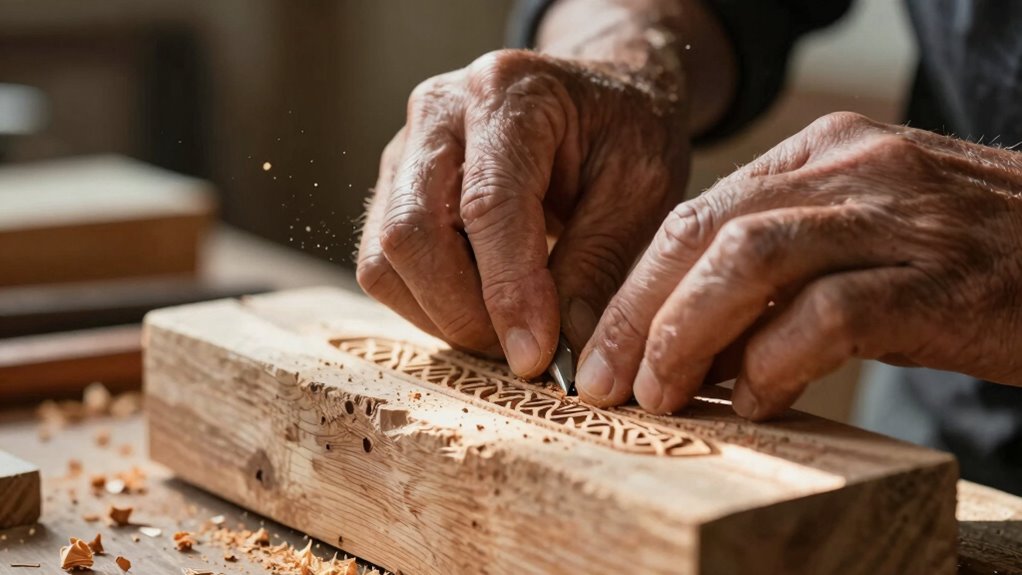
Learning a new skill with your hands isn’t just about mastering a craft—it can also boost your mental well-being in surprising ways. When you pick up a hands-on activity, like woodworking, knitting, or playing an instrument, you engage your brain in ways that go beyond simple repetition. These activities challenge you to think creatively, especially when faced with obstacles or unexpected issues. For example, if a piece of wood doesn’t fit as planned, you’re encouraged to find alternative solutions—fostering creative problem solving. This mental workout pushes you to approach problems from different angles, sharpening your ability to think outside the box in other areas of life.
Engaging your hands in new skills enhances creativity and problem-solving, enriching your mental well-being in unexpected ways.
At the same time, working with your hands naturally enhances your focus. Unlike passive forms of entertainment, such as watching TV, hands-on activities demand your full attention. You need to concentrate on each step, whether it’s selecting the right materials, measuring accurately, or coordinating your movements. This level of engagement helps quiet mental clutter and brings you into a state of flow. As you become more absorbed, your mind learns to block out distractions, improving your overall ability to concentrate in other tasks. Over time, this heightened focus can translate into better performance in your work, studies, or daily responsibilities.
Engaging physically with a craft or skill also activates different parts of your brain, creating a richer, more integrated mental experience. This activation promotes neuroplasticity—the brain’s ability to adapt and grow new connections. As a result, you may notice improvements in your memory, problem-solving skills, and even your mood. The tactile feedback you get from working with your hands can be grounding, reducing feelings of stress and anxiety. It’s a form of mindfulness that keeps you present, helping you disconnect from digital distractions and mental chatter. Additionally, engaging in these activities can stimulate your brain’s neuroplasticity, encouraging ongoing mental growth and flexibility. Incorporating regular physical engagement with learning can further amplify these benefits, as it reinforces the importance of active learning for mental health. Moreover, understanding the science behind how neuroplasticity works can motivate you to keep practicing and exploring new skills.
Additionally, learning a hands-on skill often involves patience and perseverance. These qualities foster resilience, which positively influences your mental health. When you stick with a project despite setbacks, you reinforce a growth mindset. This mindset encourages you to see challenges as opportunities rather than obstacles, boosting your confidence and emotional well-being. The sense of accomplishment you feel when completing a piece or mastering a technique provides a natural boost to your self-esteem.
As an affiliate, we earn on qualifying purchases.
Frequently Asked Questions
Can Hand-Based Skills Improve Emotional Resilience?
Yes, hand-based skills can improve your emotional resilience. When you engage in activities like knitting, woodworking, or drawing, you practice emotional regulation as you focus and stay present. These tasks also reduce stress by calming your mind and body, making it easier to handle challenging emotions. Over time, you build resilience because your brain associates these hands-on activities with relaxation and control, empowering you to face emotional ups and downs more effectively.
How Quickly Do Mental Benefits Appear When Learning a New Skill?
They say “practice makes perfect,” and with learning a new skill, you’ll notice mental benefits fairly quickly. Your brain plasticity kicks in, fostering rapid cognitive enhancement. Within days to weeks, you might experience improved focus, problem-solving, and memory. As you challenge your hands and mind together, your brain adapts swiftly, strengthening neural pathways and boosting mental resilience much sooner than you might expect.
Are There Age Limits for Gaining Mental Benefits From Hand Skills?
No, there are no age restrictions for gaining mental benefits from hand skills. You can start anytime and still experience positive effects, supporting lifelong learning. Engaging in activities like knitting, woodworking, or painting boosts cognitive functions regardless of age. Your brain remains adaptable, so embracing new hand skills helps keep your mind sharp and resilient throughout life. It’s never too late to access these mental advantages.
Do Different Types of Manual Skills Offer Varied Mental Health Advantages?
Different types of manual skills offer varied mental health benefits. For example, activities that enhance motor coordination, like playing a musical instrument or sports, boost your focus and brain connectivity. Meanwhile, creative expression through painting or crafting stimulates your imagination and reduces stress. Engaging in diverse manual skills helps you develop a well-rounded mind, improving both your cognitive functions and emotional well-being through tailored mental health advantages.
Can Learning With Hands Help Manage Anxiety or Depression?
Yes, learning with your hands can help manage anxiety and depression by engaging your senses through sensory engagement. When you focus on mindfulness techniques like feeling textures or controlling movements, you redirect your thoughts away from negative patterns. Hands-on activities create a calming effect, helping you stay present. This active engagement fosters relaxation, reduces stress, and can improve your overall mood, making it a valuable tool for mental health management.
As an affiliate, we earn on qualifying purchases.
Conclusion
So, next time you pick up a tool or craft, remember you’re not just creating something—you’re transforming your mind in ways that can blow your biggest expectations out of the water. Learning a skill with your hands can boost your mental clarity, reduce stress, and sharpen your focus like a laser beam. Don’t underestimate the power of these simple acts; they’re your secret weapon to a sharper, happier mind that’s ready to conquer anything life throws at you.
musical instrument for beginners
As an affiliate, we earn on qualifying purchases.
As an affiliate, we earn on qualifying purchases.
As an affiliate, we earn on qualifying purchases.
Columbus Day / Indigenous Peoples' Day Picks
long weekend sales
As an affiliate, we earn on qualifying purchases.