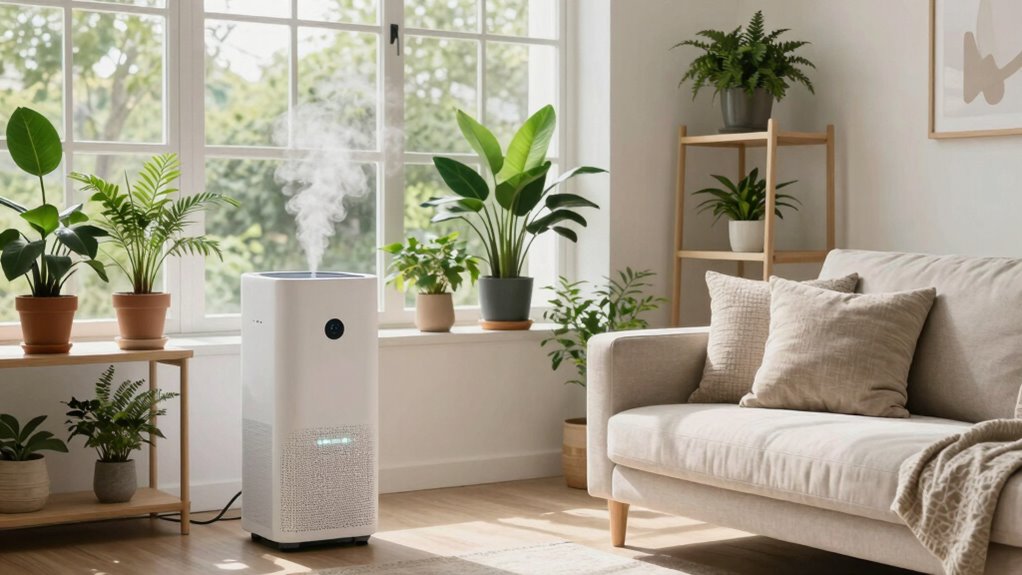

You’ve likely become more aware of indoor air quality because it affects your health, comfort, and energy levels every day. Pollutants like dust, mold, and VOCs can worsen allergies and respiratory issues if left unchecked. Improving ventilation and using air purifiers makes your space safer and healthier. Prioritizing air quality shows you care about your well-being and long-term health. Stay with us to discover how you can create a cleaner, healthier indoor environment.

Get the latest gadgets delivered free with Prime
- Fast, free delivery on millions of items
- Prime Video, Amazon Music and more included
- Member-only deals all year
Key Takeaways
- Increasing awareness of health risks from indoor pollutants prompts prioritization of air quality.
- Improved air quality enhances daily comfort, concentration, and long-term health outcomes.
- Technological advancements offer effective solutions like HEPA filters and advanced ventilation systems.
- Managing humidity and removing allergens reduces respiratory issues and allergy symptoms.
- Investing in indoor air quality reflects a proactive, health-conscious lifestyle choice.

Indoor air quality has become a critical aspect of everyday health, yet many overlook its impact on their well-being. You might not realize it, but the air you breathe inside your home or office can greatly influence your energy levels, concentration, and overall health. As awareness grows about the hidden dangers of indoor pollutants—like dust, pet dander, mold spores, and volatile organic compounds—you’re beginning to see why prioritizing clean indoor air is more important than ever.
One of the most effective ways to improve indoor air quality is by integrating air purifying solutions. Air purifiers with HEPA filters trap tiny particles that would otherwise circulate freely in your space, reducing allergens and pollutants that can cause respiratory issues or exacerbate allergies. But a truly thorough approach involves more than just standalone purifiers. Ventilation systems play an essential role in maintaining good indoor air quality by continuously exchanging stale indoor air with fresh outdoor air. Modern ventilation systems are designed to filter incoming air, removing pollutants before they enter your living or working space, which means you breathe cleaner air without even noticing the process. Proper ventilation also helps to manage indoor humidity levels, preventing mold growth that thrives in damp conditions. Incorporating advanced ventilation technology, such as energy recovery ventilators, further enhances this process by optimizing air exchange efficiency.
Integrating HEPA air purifiers and advanced ventilation systems ensures cleaner, healthier indoor air effortlessly.
When you invest in high-quality ventilation systems, you actively reduce indoor contaminants and improve air circulation—both indispensable for a healthier environment. These systems help control humidity levels, preventing mold growth that thrives in damp conditions. They also minimize the build-up of indoor pollutants, which tend to accumulate in poorly ventilated spaces. Understanding the presence of microplastics in dust highlights the importance of proper filtration and ventilation in reducing microscopic pollutants that can harm health. Implementing advanced filtration techniques can significantly decrease the presence of these tiny particles, making your indoor environment safer.
You’re also becoming more aware of how your lifestyle choices impact indoor air quality. Simple habits, like reducing the use of harsh chemicals, opening windows regularly, and maintaining your HVAC system, make a difference. However, relying solely on these small steps isn’t enough if your ventilation system isn’t up to par. Upgrading to a modern, energy-efficient ventilation system with integrated air purifying features ensures your indoor air stays fresh and safe all year round. Research indicates that technological advancements in ventilation significantly improve the quality of indoor environments.
Prioritizing indoor air quality isn’t just about comfort; it’s about protecting your health. As science continues to uncover the long-term effects of indoor pollutants, you realize that proactive measures—like installing effective ventilation systems and air purifiers—are essential. Making these investments demonstrates your commitment to a healthier lifestyle, ensuring that the air you breathe indoors supports your well-being rather than jeopardizes it.
As an affiliate, we earn on qualifying purchases.
Frequently Asked Questions
How Can I Test My Home’s Indoor Air Quality Effectively?
You can test your home’s indoor air quality effectively by using air quality sensors that monitor pollutants like VOCs, particulate matter, and humidity levels. Regularly check these sensors and interpret their readings to identify issues. Implement ventilation strategies, such as opening windows or using air purifiers, to improve air circulation. Consistent testing helps you maintain a healthier environment and guarantees your home’s air quality stays ideal.
What Are the Best Plants for Improving Indoor Air Quality?
If you’re serious about air purification, don’t settle for a fancy filter—try snake plants or pothos. These plant types are like the superheroes of indoor air quality, quietly absorbing toxins and releasing fresh oxygen. Not only do they brighten your space, but they also make your air healthier. So, add some peace lilies or aloe vera, and let your home breathe easier—because plants really do work wonders.
How Often Should I Change Air Filters in My HVAC System?
You should change your air filters every 1 to 3 months, depending on the air filter lifespan and your household’s air quality needs. Regular HVAC maintenance tips include checking filters monthly and replacing them when they look dirty or clogged. Doing so guarantees your system runs efficiently, improves indoor air quality, and prevents unnecessary wear on your HVAC system. Stay proactive to maintain a healthy, comfortable home environment.
Are There Specific Pollutants to Watch for in Indoor Environments?
Think of your indoor air as a garden needing careful tending. Watch out for VOC emissions, which are like sneaky weeds releasing harmful fumes, and mold spores, the silent invaders that thrive in damp spaces. These pollutants can cause health issues, so keep your environment clean and ventilated. Regularly check for signs of mold and use air purifiers to reduce VOCs, ensuring your indoor space stays fresh and safe.
Can Air Purifiers Eliminate All Indoor Air Pollutants?
Air purifiers can’t eliminate all indoor air pollutants, but they do a good job reducing chemical pollutants, allergens, and particles. They filter out many harmful substances, improving your indoor air quality. However, some pollutants like gases or volatile organic compounds (VOCs) may require specialized filters or additional ventilation. To maximize your air quality, combine an air purifier with proper ventilation and source control measures.
energy recovery ventilator system
As an affiliate, we earn on qualifying purchases.
As an affiliate, we earn on qualifying purchases.
Conclusion
Prioritizing indoor air quality is like tending a garden—you need to nurture it daily to see the best results. When you focus on cleaner air, you’re not just improving your health, but creating a sanctuary that feels safe and invigorating. It’s a small shift that can make a big difference, turning your home into a haven where you breathe easier and thrive. Remember, your environment shapes your well-being, so make quality air a daily habit.
home humidity monitor and dehumidifier
As an affiliate, we earn on qualifying purchases.
As an affiliate, we earn on qualifying purchases.
air quality monitor with VOC detection
As an affiliate, we earn on qualifying purchases.
As an affiliate, we earn on qualifying purchases.
Columbus Day / Indigenous Peoples' Day Picks
long weekend sales
As an affiliate, we earn on qualifying purchases.