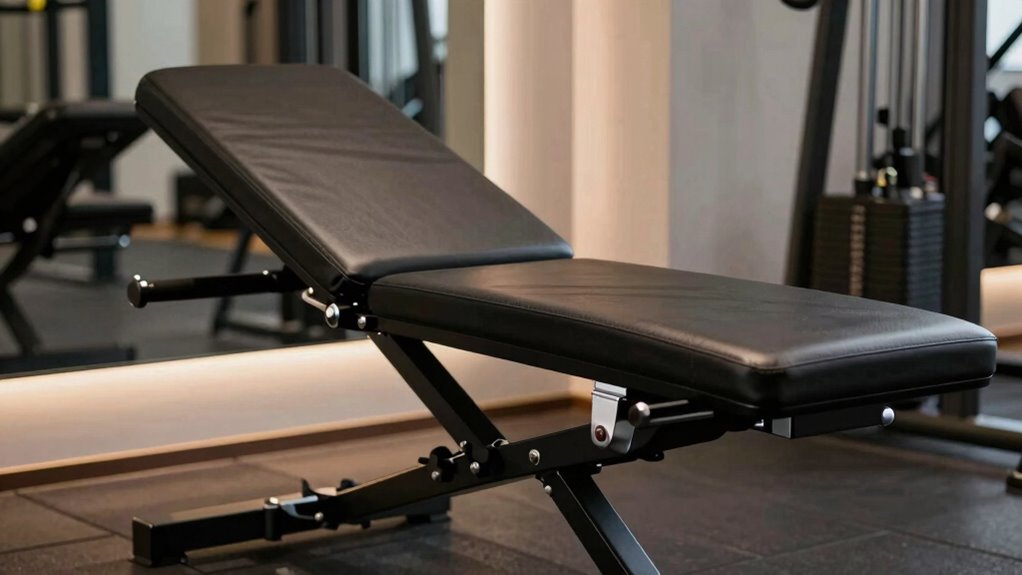

Inversion tables aren’t suitable for everyone, and understanding this is more important than focusing on price. If you have high blood pressure, heart problems, glaucoma, or spinal issues, inversion therapy could pose risks. Pregnant women and those with certain conditions should avoid it altogether. Your health status matters most, so consulting a healthcare professional is essential before trying inversion. If you want to learn more about safe alternatives and how to make informed choices, keep going.

Get the latest gadgets delivered free with Prime
- Fast, free delivery on millions of items
- Prime Video, Amazon Music and more included
- Member-only deals all year
Key Takeaways
- Personal health conditions, like high blood pressure or spinal issues, determine if inversion tables are safe for you.
- Inversion therapy is not suitable for everyone and should only be used after medical consultation.
- Risks outweigh benefits for certain groups, such as pregnant women or individuals with glaucoma or heart problems.
- Effectiveness varies; inversion tables are not a universal remedy and may cause harm if misused.
- Safety considerations and individual health factors matter more than the cost when choosing inversion therapy options.
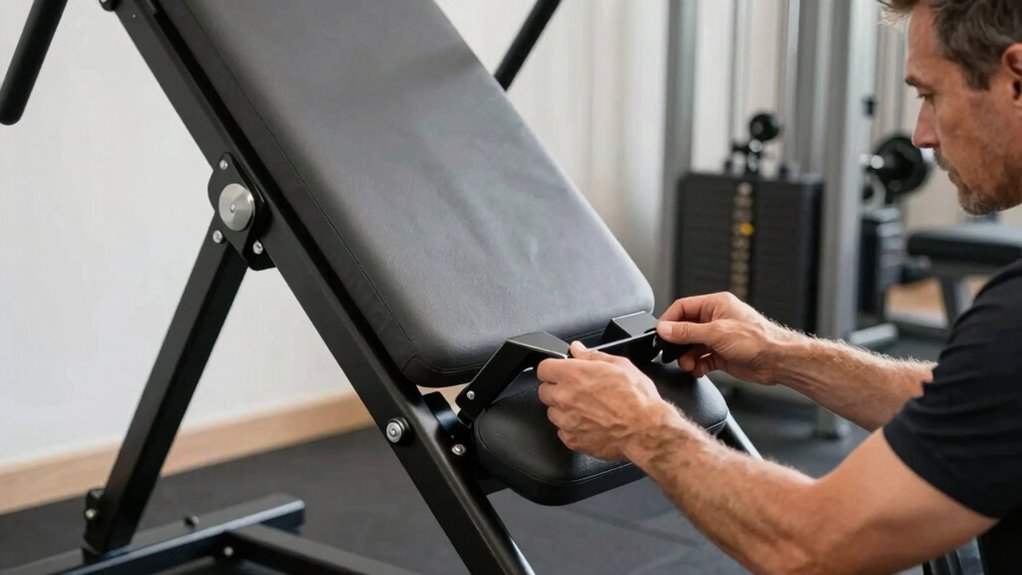
Inversion tables have gained popularity as a tool for relieving back pain and improving spinal health, but they’re not suitable for everyone. Many people see inversion therapy as an effective alternative therapy, especially when traditional treatments haven’t provided relief. However, it’s essential to understand that despite their benefits, inversion tables aren’t a one‑size‑fits‑all solution. Before investing in one, you need to consider your health status and consult with a healthcare professional if you have any underlying conditions. It’s a common misconception that inversion therapy is safe for everyone, but that isn’t true. For some, hanging upside down can cause more harm than good.
People often assume that inversion tables are universally beneficial, but this isn’t the case. If you have high blood pressure, glaucoma, or heart problems, hanging upside down could increase risks rather than alleviate them. Similarly, pregnant women or individuals with certain spinal conditions should avoid inversion therapy altogether. It’s easy to fall into the trap of thinking that if something works for others, it will work for you, but health is highly individual. Recognizing these limitations can save you from unnecessary discomfort or injury.
Inversion therapy is sometimes overlooked because of common misconceptions about its safety and effectiveness. Some believe that it’s a miracle cure for all back issues, but the reality is more nuanced. While many find relief through inversion tables, others don’t experience significant benefits, and some may even experience adverse effects. This variability underscores the importance of understanding your own body and health needs rather than blindly following trends or opinions. It’s also worth noting that alternative therapies like physical therapy, stretching, and strengthening exercises can be highly effective, sometimes even more so than inversion therapy, depending on your condition. Additionally, understanding the long-term structure of health strategies can help you make more informed decisions about your treatment options.
Furthermore, being aware of individual health considerations can help you determine whether inversion therapy is appropriate for your unique situation. For example, some conditions related to vascular health might be worsened by inversion therapy, making it crucial to assess your personal risks. An understanding of body mechanics can also influence how you approach your overall health and recovery strategies. Moreover, considering the personal safety aspects of inversion therapy can help prevent accidents or injuries during use. Ultimately, the decision to use an inversion table should be based on your individual health profile and lifestyle. Price is often highlighted as a factor, but what matters more is your safety and suitability. If you’re considering inversion therapy, do thorough research, ask your doctor, and weigh it against other available treatments. Recognizing that inversion tables aren’t for everyone helps you make informed choices and prioritize your well-being. Remember, what works for one person might not work for another, and that’s perfectly okay. Your health and safety should always come first over any trend or misconception.
inversion table safety for high blood pressure
As an affiliate, we earn on qualifying purchases.
As an affiliate, we earn on qualifying purchases.
Frequently Asked Questions
Can Inversion Tables Help With Specific Medical Conditions?
Yes, inversion tables can help with specific medical conditions, especially those related to spinal alignment and circulation improvement. By gently inverted, you may relieve pressure on your spine, which can reduce back pain and improve overall spinal health. Additionally, the inversion process helps boost circulation, potentially easing issues like varicose veins or swelling. However, consult your healthcare provider first, as inversion isn’t suitable for everyone.
Are There Age Restrictions for Using Inversion Tables?
You should know that most inversion table manufacturers recommend age restrictions for safety precautions, typically advising against use for children or seniors with certain health issues. Notably, a survey found that only 30% of users follow these guidelines strictly. It’s essential to assess your health and consult a healthcare professional before using an inversion table, especially if you’re over the age of 50, to ensure safe and effective use.
How Long Should I Invert During Each Session?
You should start with sessions of about 1 to 2 minutes, gradually increasing as your body adapts. Always follow safety precautions, like ensuring the table is secure and your position is correct. Usage tips include listening to your body—if you feel dizzy or uncomfortable, stop immediately. Avoid inverting for more than 5 minutes initially, and consult a healthcare professional if you have any health concerns.
Can Inversion Tables Replace Professional Medical Treatment?
Inversion tables can’t replace professional medical treatment, but they can be a helpful part of home therapy and alternative treatments for certain conditions. You should always consult your healthcare provider before using one, especially if you have health issues. While inversion therapy may ease some discomfort, it’s not a substitute for medical advice or treatment. Use it as a supplement, not a replacement, to guarantee your safety and health.
What Are the Signs That Inversion Therapy Isn’t Suitable for Me?
You should stop inversion therapy if you experience dizziness, headaches, or increased pain, as these are signs it isn’t suitable for you. If you have high blood pressure, glaucoma, or heart issues, it’s essential to discuss alternative therapies with your doctor before trying inversion. Always follow safety precautions, and listen to your body—if you feel uncomfortable or unwell, discontinue use and seek medical advice.
best back pain inversion therapy equipment
As an affiliate, we earn on qualifying purchases.
As an affiliate, we earn on qualifying purchases.
Conclusion
So, next time you’re tempted by the allure of inversion tables promising instant relief, remember: they’re not a one-size-fits-all solution. Sometimes, the price tag isn’t the real cost—it’s the risk of doing more harm than good. Ironically, what seems like a simple fix could turn into a costly mistake if you ignore your own body’s needs. After all, the best investment might just be listening to your pain and seeking personalized advice.
As an affiliate, we earn on qualifying purchases.
inversion table alternatives for back pain
As an affiliate, we earn on qualifying purchases.
As an affiliate, we earn on qualifying purchases.
Fall Picks
fall essentials
As an affiliate, we earn on qualifying purchases.