Cameroon’s 2025 presidential election is a critical event that will shape the country’s future. Incumbent Paul Biya likely seeks another term, while opposition parties aim to challenge him with new candidates promising reform. However, the election faces deep challenges like fraud allegations, regional conflicts, and security issues, especially in Anglophone areas. These problems could affect fairness and legitimacy. Stay with us to explore how these factors influence Cameroon’s path forward.

Get the latest gadgets delivered free — and shop member deals
- Fast, free delivery on millions of items
- Access to Prime Big Deal Days deals on October 6–7
- Prime Video, Amazon Music and more included
Key Takeaways
- Incumbent Paul Biya, in power since 1982, is expected to seek another term amid opposition efforts for unity.
- Challenges include electoral fraud allegations, political intimidation, and regional conflicts, especially in Anglophone areas.
- Security issues and ongoing violence threaten the fairness and legitimacy of the voting process.
- Candidates’ platforms focus on governance reforms, anti-corruption, economic development, and national unity.
- The election’s outcome will significantly influence Cameroon’s stability, regional relations, and future reforms.
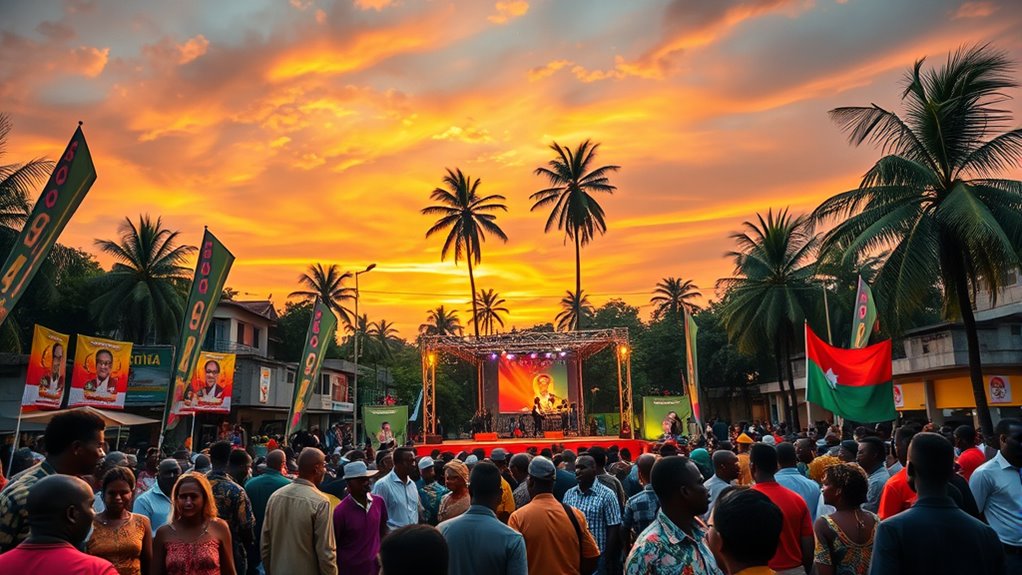
Will Cameroon’s 2025 presidential election mark a turning point for the nation’s future? It’s a question many citizens are asking as they prepare to vote. The election comes at a pivotal moment, with the country facing complex challenges like political instability, economic struggles, and ongoing conflicts in the Anglophone regions. You might see this election as an opportunity for change, or as a continuation of the status quo, depending on who steps forward as candidates and how the campaign unfolds. What’s clear is that the choices made in 2025 will influence Cameroon’s trajectory for years to come.
You’ll need to pay close attention to the candidates who emerge. Several political figures are expected to run, each with their own visions for Cameroon’s future. The incumbent, Paul Biya, who has been in power since 1982, is likely to seek another term. His long rule has brought stability for some but also criticism over authoritarian tendencies and a lack of significant reforms. If he remains a candidate, many will question whether Cameroon needs a fresh direction or if continuity is more important at this moment. On the other hand, opposition parties are working hard to unite behind alternative candidates. These challengers often campaign on promises to improve governance, fight corruption, and address the economic hardships faced by many Cameroonians.
However, the road to a fair election is fraught with challenges. You might worry about electoral transparency, as past elections have been marred by allegations of fraud and intimidation. Political tensions could escalate if opposition candidates feel marginalized or if electoral authorities lack independence. The ongoing conflict in the Anglophone regions adds another layer of complexity, as security concerns and regional grievances threaten to disrupt the electoral process. You could see some areas where voting is difficult or even impossible, which raises questions about the legitimacy of the results and the inclusiveness of the process. Notably, resources and tools such as election monitors and regional assistance programs can play vital roles in promoting transparency and fairness.
Furthermore, the election is more than just choosing a leader; it’s about shaping Cameroon’s identity and its path forward amidst diverse ethnicities and interests. Many of you will watch closely to see whether the candidates address issues like national unity, economic development, and peace. The political climate will influence how citizens engage with democracy and whether this election becomes a catalyst for meaningful change or just another chapter in a long-standing cycle of political stagnation. Ultimately, your vote and your voice will be essential in determining whether Cameroon steps into a new era or remains on its current course.
Top picks for "cameroon presidential election"
As an affiliate, we earn on qualifying purchases.
Frequently Asked Questions
What Are the Main Policies Proposed by Each Candidate?
You’ll find that each candidate proposes distinct policies. Some focus on economic growth by promoting foreign investment and infrastructure, while others prioritize social issues like education and healthcare. Environmental sustainability also features prominently, with plans to combat climate change and protect natural resources. Security and national unity are common themes, with initiatives aimed at resolving conflicts and fostering stability. Overall, their policies reflect diverse visions for Cameroon’s future, aiming to address pressing challenges.
How Does the Electoral Process Ensure Fairness and Transparency?
You wonder if the electoral process truly guarantees fairness and transparency. Behind the scenes, strict measures like independent electoral commissions, monitoring by international observers, and transparent vote counting are in place. Yet, uncertainties linger, as hidden biases and logistical challenges sometimes cast shadows. As votes are cast and counted, you watch closely, hoping these safeguards work seamlessly, ensuring every voice is heard and every result reflects the true will of the people.
What Role Do International Observers Play in the Election?
International observers play a vital role in Cameroon’s election by monitoring the process to guarantee fairness and transparency. They scrutinize voting procedures, verify that electoral laws are followed, and report any irregularities. Their presence helps build public confidence and encourages credible results. You’ll see them assess polling stations, review counting procedures, and issue reports that can influence international perception and domestic trust in the election outcome.
How Are Minority Groups Represented in the Candidates?
You might notice that minority groups, such as the Baka community, often struggle for representation in Cameroon’s presidential candidates. For example, a hypothetical Baka candidate could highlight issues like land rights and cultural preservation. While some minority groups aim to participate, systemic barriers and political exclusion limit their chances, making it difficult for their voices to be heard in the national leadership. This underrepresentation impacts the inclusivity of Cameroon’s democracy.
What Measures Are in Place to Prevent Electoral Violence?
You can expect measures like increased security deployment, voter education campaigns, and strict law enforcement to prevent electoral violence. Electoral authorities also monitor campaigns closely, imposing penalties for misconduct. Community leaders and observers play essential roles in mediating disputes and promoting peaceful participation. These steps aim to create a safe environment, encouraging voters to exercise their rights without fear, ensuring the election process remains fair and transparent.
Conclusion
As you watch Cameroon’s 2025 election unfold, remember it’s more than just choosing leaders—it’s shaping the nation’s future. The candidates may come and go, but the true power lies in your voice and choices. Like a seed planted today, tomorrow’s Cameroon depends on the votes cast now. Will you be the gardener who nurtures growth or the bystander watching change pass by? Your decision writes the next chapter of Cameroon’s story.
Fall Picks
fall essentials
As an affiliate, we earn on qualifying purchases.