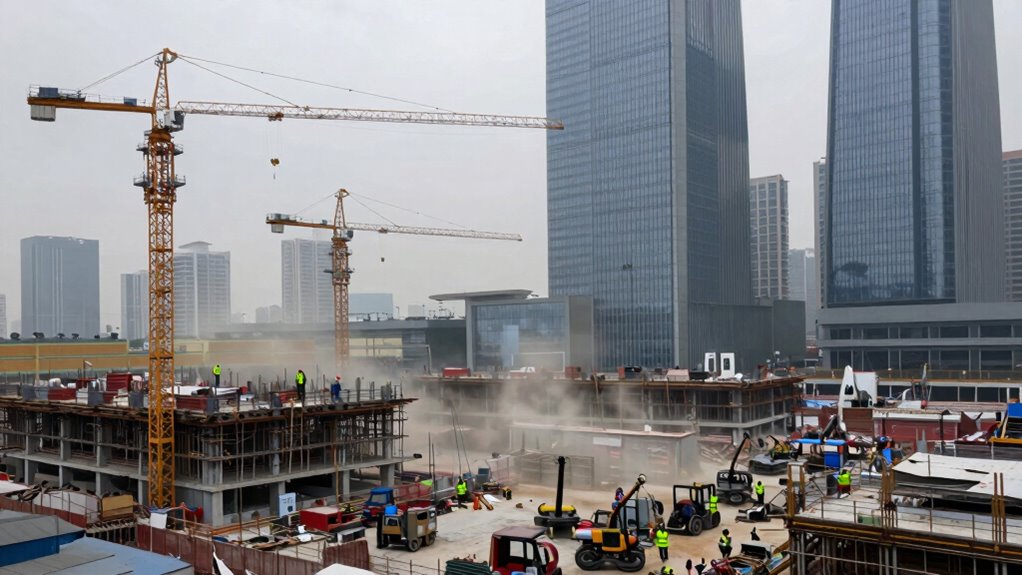

As you look at megacity infrastructure, you’ll see costs rise because planning often reacts to problems rather than preventing them. Outdated systems, traffic jams, and overloaded utilities make upgrades more expensive over time. Short-term fixes fail to address root issues, leading to costly repair cycles. Without sustainable, integrated planning from the start, infrastructure becomes fragile and more vulnerable to climate and population growth. If you want to understand how strategic, long-term approaches can curb these costs, there’s much more to explore.

Get the latest gadgets delivered free with Prime
- Fast, free delivery on millions of items
- Prime Video, Amazon Music and more included
- Member-only deals all year
Key Takeaways
- Reactive infrastructure upgrades address symptoms, leading to escalating costs and recurrent failures.
- Short-term fixes often ignore sustainable planning, resulting in fragile systems vulnerable to future challenges.
- Rapid urban growth strains outdated infrastructure, increasing maintenance expenses and congestion.
- Lack of integrated, proactive planning causes inefficiencies and higher long-term investment needs.
- Neglecting sustainability principles early on drives up costs and reduces infrastructure resilience over time.

As mega-cities continue to grow at an unprecedented pace, their infrastructure systems are struggling to keep up with increasing demands. You can see this clearly in traffic congestion, outdated public transit, and overloaded utilities, all of which threaten to hamper economic growth and quality of life. The challenge lies in balancing rapid urban expansion with sustainable development, a goal that requires thoughtful urban planning. If you ignore this, the costs escalate quickly, making upgrades more expensive and less effective over time. Effective urban planning should prioritize long-term solutions that accommodate future growth while minimizing environmental impact. However, many cities focus on short-term fixes, which often lead to costly, piecemeal improvements that don’t address underlying issues.
Mega-city growth strains infrastructure, risking costly short-term fixes over sustainable, long-term urban planning solutions.
You might notice that infrastructure projects tend to balloon in cost because they’re reactive rather than proactive. When cities fail to integrate sustainable development principles early, they find themselves constantly patching problems rather than fixing the root causes. For example, expanding road networks without considering public transit options only encourages more car use, which worsens congestion and pollution. A well-planned approach involves designing cities that promote eco-friendly transportation modes, like biking, walking, and efficient mass transit. This not only reduces congestion but also helps meet climate goals, ultimately saving money in the long run. But implementing these changes requires upfront investment and strategic foresight—two things that often get sidelined in favor of quick fixes.
The rising costs of infrastructure maintenance and upgrades are compounded by the complexity of mega-cities. You need to consider the interconnectedness of systems—water, energy, transportation—and how neglecting one can ripple through others. When urban planning neglects sustainability, infrastructure becomes more fragile, leading to more frequent failures and expensive repairs. Incorporating sustainable development into urban planning means designing resilient systems that adapt to climate change, population growth, and technological advances. This can be challenging, especially when budgets are tight, but neglecting it only increases costs over time. The importance of integrated planning becomes clear, as it ensures different infrastructure systems work harmoniously to reduce overall costs and improve resilience. Additionally, embracing a holistic approach to urban development can help cities better anticipate future challenges and avoid costly reactive measures.
Ultimately, addressing the mega-city infrastructure problem requires a shift in mindset—viewing infrastructure as a long-term investment rather than a quick fix. You must prioritize sustainable development and proactive urban planning to control costs and improve resilience. Without this, infrastructure costs will continue to spiral, making it harder for cities to keep pace with growth and meet the needs of their residents. Recognizing the importance of strategic planning today is essential if you want to avoid a future where infrastructure costs become an insurmountable burden. Additionally, integrating long-term planning into urban development strategies can significantly reduce future costs and improve overall city resilience.
sustainable urban transportation solutions
As an affiliate, we earn on qualifying purchases.
As an affiliate, we earn on qualifying purchases.
Frequently Asked Questions
How Do Mega-Cities Prioritize Infrastructure Projects Amid Budget Constraints?
You prioritize infrastructure projects by addressing urban congestion and steering zoning regulations. You assess which projects will most effectively reduce traffic and improve safety, ensuring they fit within zoning rules. You seek funding through government grants or public-private partnerships, balancing immediate needs with long-term growth. By focusing on high-impact, cost-effective solutions, you make strategic decisions that optimize limited budgets and support sustainable city development.
What Innovative Technologies Are Being Considered to Reduce Infrastructure Costs?
You can consider using smart materials that adapt and repair themselves, reducing maintenance costs over time. Additionally, drone inspections streamline monitoring processes, cutting labor expenses and identifying issues early. These innovative technologies help you cut infrastructure costs by increasing efficiency and longevity. Implementing smart materials and drones allows you to stay ahead of expenses, optimize project timelines, and guarantee safer, more sustainable mega-city infrastructure development.
How Does Population Growth Impact Existing Infrastructure Planning?
Think of your city’s infrastructure like a garden that’s constantly expanding; as population grows, especially with urban sprawl, you need more space and resources. This strains existing systems, accelerates resource depletion, and makes planning tougher. You must anticipate future needs, upgrade infrastructure proactively, and prevent overloads. Otherwise, the city becomes a tangled mess, like overgrown vines choking a garden, making it harder to sustain growth and quality of life.
What Role Do Public-Private Partnerships Play in Funding Infrastructure?
Public-private partnerships play a vital role in funding infrastructure by combining public funding and private investment. You benefit from increased resources, as private sector involvement can supplement government budgets, accelerating project completion. These partnerships also foster innovation and efficiency, ensuring infrastructure meets growing demands. By sharing risks and responsibilities, you help create sustainable solutions that improve city living conditions without solely relying on public funds.
How Can Communities Influence Infrastructure Development Decisions?
You can influence infrastructure decisions through active community engagement and policy advocacy. When you participate in local meetings, voice your concerns, and support initiatives, you validate the community’s needs. Investigate policies affecting development, challenge outdated plans, and push for transparent decision-making. Your involvement guarantees that infrastructure projects align with local priorities, helping shape a sustainable future where community voices are heard and respected.
smart city infrastructure monitoring devices
As an affiliate, we earn on qualifying purchases.
As an affiliate, we earn on qualifying purchases.
Conclusion
So, next time you marvel at a city’s gleaming skyline or bustling streets, remember—it’s all just a costly illusion. As costs skyrocket and infrastructure struggles, you might wonder if mega-cities are really the marvel they seem or just elaborate financial paperweights. But hey, who needs affordable, reliable infrastructure when you can have endless construction projects and inflated budgets? After all, what’s a city without a little chaos—and a lot of taxpayer money?
utility management systems for cities
As an affiliate, we earn on qualifying purchases.
As an affiliate, we earn on qualifying purchases.
As an affiliate, we earn on qualifying purchases.
Halloween Picks
halloween
As an affiliate, we earn on qualifying purchases.