
Carbon border taxes are becoming a trade flashpoint because they can disrupt global competitiveness and spark retaliation from trading partners. These taxes may unfairly favor some nations while hurting others, leading to protectionism and trade tensions. They also highlight disagreements over environmental standards, which can escalate into trade disputes. If you’re curious about how these issues could impact global markets and relationships, there’s more to uncover if you keep exploring.
Listen free for 30 days with Audible
Thousands of audiobooks and originals — cancel anytime.
As an affiliate, we earn on qualifying purchases.
Key Takeaways
- Differing international standards and measurement methods create tensions and accusations of protectionism.
- Countries may retaliate with tariffs, escalating trade conflicts and risking global economic stability.
- Developing nations fear increased costs and reduced competitiveness, widening global inequalities.
- Enforcement challenges hinder effective regulation, leading to disputes over compliance and transparency.
- Lack of international coordination risks fueling protectionism and undermining global climate and trade goals.
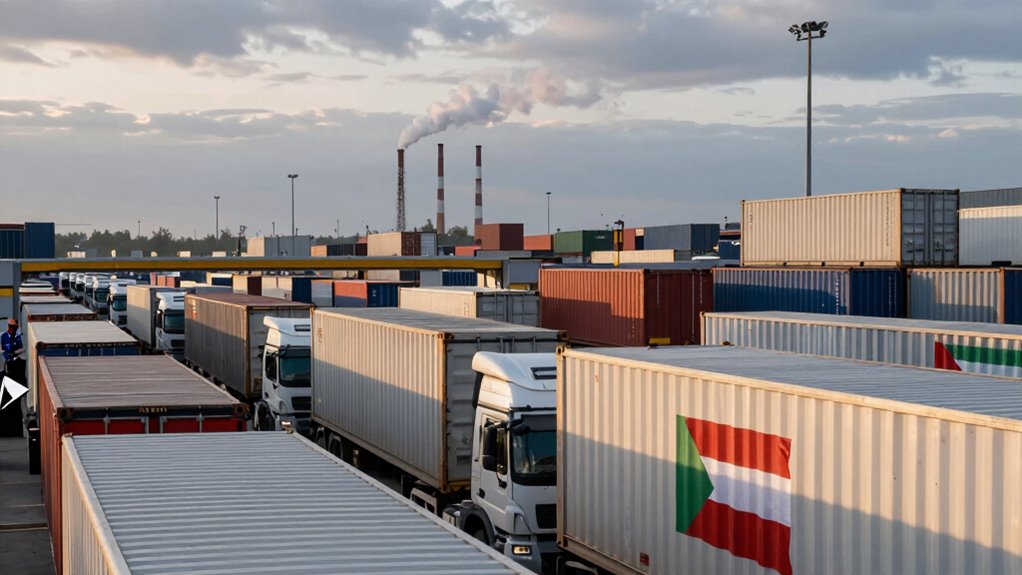
As nations aim to meet climate goals, carbon border taxes have emerged as a contentious tool that could reshape global trade. These taxes are designed to prevent “carbon leakage,” where industries relocate to countries with lax environmental regulations, undermining global efforts to reduce emissions. But while they aim to promote greener practices, they also introduce complex questions about the broader global economic impact. You might wonder how imposing tariffs on carbon-intensive imports could ripple through economies, affect prices, and influence international relations. The truth is, these taxes can considerably disrupt established trade patterns, creating winners and losers on the international stage.
One major concern is the potential for increased costs to consumers and businesses. When countries enforce carbon border taxes, imported goods from regions with higher emissions might become more expensive, leading to higher prices for everyday products. This inflationary pressure can strain household budgets and squeeze corporate profit margins, particularly for industries heavily reliant on global supply chains. If countries don’t harmonize their standards or provide exemptions, these taxes risk fostering trade barriers that could stifle economic growth or provoke retaliatory measures from trading partners. Such retaliations could escalate into trade wars, further destabilizing the global economy and complicating international cooperation on climate change.
Carbon border taxes may raise prices, strain economies, and trigger trade conflicts if standards aren’t harmonized.
Regulatory challenges also loom large. Implementing and enforcing carbon border taxes demands precise measurement of emissions across different industries and countries. You’d need robust monitoring systems to verify compliance, which can be difficult given the diversity of manufacturing processes and data transparency issues. Countries might also struggle to develop fair and consistent standards, leading to accusations of protectionism disguised as environmental policy. Traversing these regulatory hurdles requires substantial diplomatic effort and technical expertise, which not all nations possess. Without clear guidelines and international agreements, the risk is that such taxes become tools for economic protectionism rather than genuine climate action.
Furthermore, the global economic impact isn’t just about immediate costs; it’s also about long-term shifts in competitiveness. Countries that can adapt quickly—by investing in cleaner technologies—may gain an advantage, while those lagging behind could face economic decline. This uneven landscape might widen existing global inequalities, placing developing nations at a disadvantage. As you consider the future of global trade, it’s essential to recognize that carbon border taxes, while promising in concept, carry complex implications that require careful negotiation and international coordination. Otherwise, they could turn into flashpoints, fueling trade disputes rather than fostering sustainable growth.
carbon emissions measurement tools
As an affiliate, we earn on qualifying purchases.
As an affiliate, we earn on qualifying purchases.
Frequently Asked Questions
How Do Border Taxes Impact Small and Medium-Sized Enterprises?
Border taxes can challenge your small or medium-sized enterprise by complicating trade and increasing costs. You’ll need to focus on trade compliance to navigate new regulations, ensuring your products meet standards to avoid penalties. Tax compliance also becomes more critical, as you’ll have to accurately calculate and pay border taxes. These added requirements can strain resources, but staying informed and adaptable helps you manage costs and maintain smooth international operations.
Are There Existing International Agreements Addressing Border Tax Disputes?
Yes, there are existing international agreements that address border tax disputes, mainly through trade negotiations and dispute resolution mechanisms. You should know that organizations like the World Trade Organization (WTO) provide frameworks for resolving such issues, helping countries negotiate fair terms. These agreements aim to prevent conflicts, promote transparency, and guarantee that border taxes align with global trade rules, allowing you to navigate disputes more effectively.
How Do Border Taxes Influence Global Supply Chain Resilience?
Border taxes directly impact your supply chain resilience by increasing costs and causing supply chain disruptions. They force you to rethink tariff strategies, potentially leading to delays or sourcing shifts. As countries impose these taxes to meet climate goals, you might face unpredictable tariffs, making your supply chain more vulnerable. Staying adaptable and diversifying suppliers becomes essential to mitigate risks and maintain stability amidst evolving border tax policies.
What Are the Environmental Benefits of Implementing Border Carbon Taxes?
Implementing border carbon taxes boosts carbon reduction efforts by incentivizing companies to lower emissions in their supply chains. You help reduce the environmental impact by encouraging greener production practices and cleaner energy use. These taxes promote innovation in sustainable technologies and foster a global shift toward environmentally responsible manufacturing. As a result, border carbon taxes can substantially contribute to combating climate change while creating a more sustainable, eco-friendly trade environment.
How Might Border Taxes Affect Developing Countries’ Economies?
Like ships steering stormy seas, developing nations face challenges when border taxes emerge. These taxes can hinder economic growth by increasing costs for exports, making them less competitive. Developing nations might struggle to adapt quickly, risking slower progress and reduced investment. However, if managed well, border taxes could also incentivize cleaner practices, fostering sustainable growth while protecting global climate efforts. Your approach matters in balancing economic and environmental priorities.
carbon border tax compliance software
As an affiliate, we earn on qualifying purchases.
As an affiliate, we earn on qualifying purchases.
Conclusion
As you navigate this evolving landscape, remember that these carbon border taxes could ignite a global fire, much like the Boston Tea Party did in its time. While they aim to curb climate change, they also risk turning into a trade flashpoint that divides nations. Stay vigilant and adaptable, for history shows that when economies clash over resources and ideals, it’s the common folk who bear the brunt. Be prepared to stand your ground.
As an affiliate, we earn on qualifying purchases.
environmental regulation compliance kits
As an affiliate, we earn on qualifying purchases.
As an affiliate, we earn on qualifying purchases.
NFL season / tailgating Picks
team gear
As an affiliate, we earn on qualifying purchases.