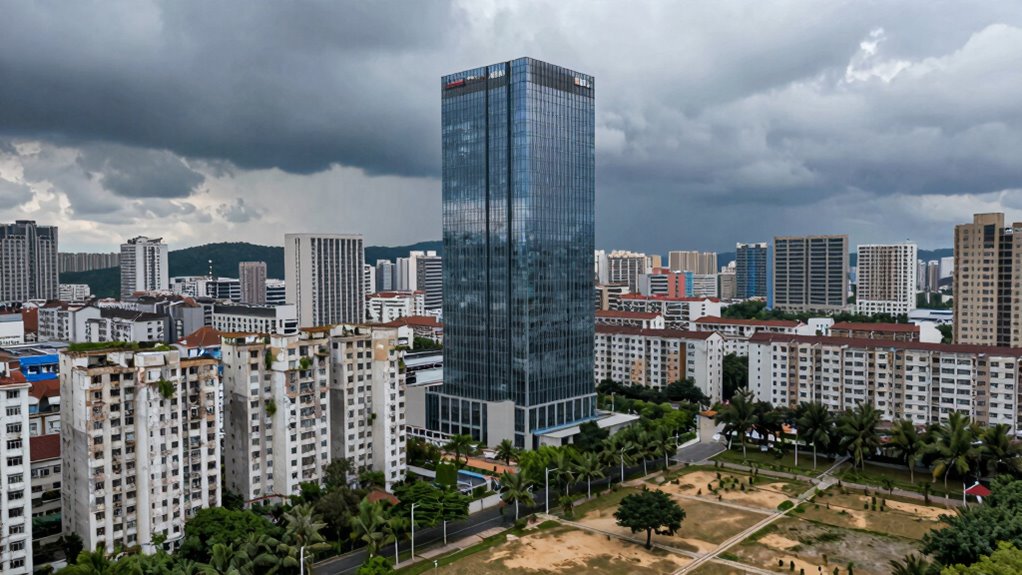

You can’t ignore how climate change is drastically altering housing and insurance landscapes. Increasingly severe weather events like floods and wildfires make traditional risk assessments obsolete, causing insurers to raise premiums or withdraw from high-risk areas. Property owners face new financial challenges and safety concerns, prompting reforms in building codes and resilience measures. Staying informed about these changes helps you better protect your investments and future; there’s much more to uncover on how these shifts impact everyone involved.
Get ready for Prime Big Deal Days — try Prime free
Exclusive member deals on October 6–7, plus fast free delivery. Cancel anytime.
As an affiliate, we earn on qualifying purchases.
Key Takeaways
- Climate change increases the frequency and severity of weather events, significantly impacting insurance coverage and housing stability.
- Traditional risk models are failing, prompting policy reforms and stricter building codes to enhance resilience.
- Rising insurance premiums and policy restrictions challenge affordability and access for property owners in high-risk areas.
- Investing in climate-resilient infrastructure and mitigation measures is vital for safeguarding homes and reducing future losses.
- Recognizing climate risks is essential for stakeholders to adapt, advocate for policies, and ensure financial and housing security.
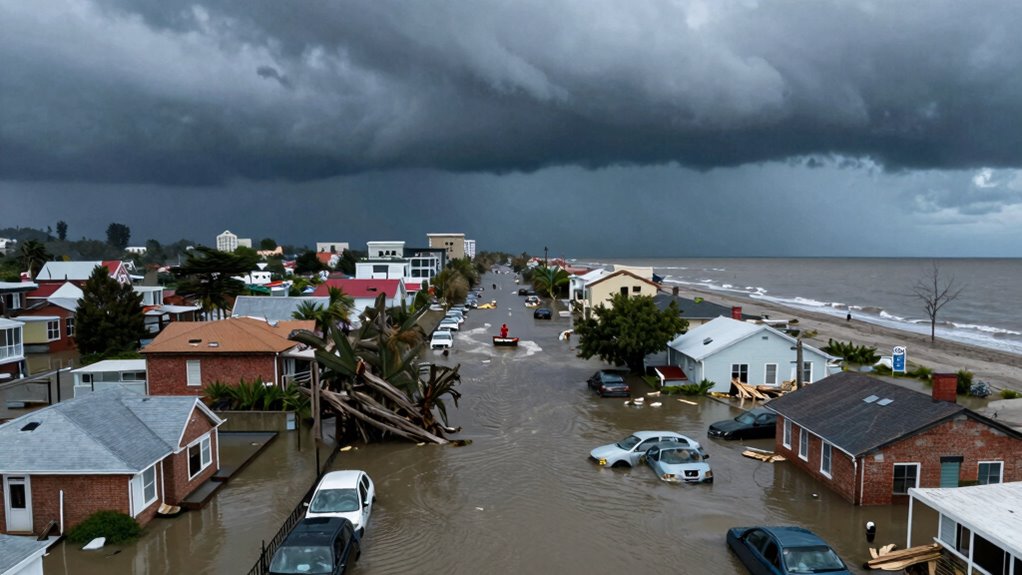
Have you ever wondered how climate change is reshaping the way we think about insurance and housing? It’s a question that’s becoming more urgent as extreme weather events grow more frequent and severe. Insurance companies now face the complex task of evaluating risk in a world where past data no longer reliably predicts future threats. Risk assessment has to adapt quickly, considering not just historical trends but also the unpredictable nature of climate-related disasters. This shift forces insurers to rethink how they price policies and determine coverage. Many are raising premiums or pulling out of high-risk areas altogether, making it harder for homeowners to find affordable coverage. Meanwhile, governments and industry leaders are pushing for policy reform to better address these challenges. They recognize that traditional frameworks are no longer sufficient to protect property owners or ensure economic stability.
You might find that your insurance options change based on where you live, especially in flood-prone or wildfire-prone regions. In some cases, policies are becoming more restrictive or require additional measures like flood defenses or wildfire mitigation. These changes are part of a broader effort to incorporate climate risk into insurance models, pushing for reforms that incentivize resilience and adaptation. Policy reform isn’t just about adjusting premiums; it’s about creating a sustainable system that can withstand the increasing impacts of climate change. Governments are also exploring new regulations that mandate stricter building codes, requiring homes to be more resilient to extreme weather. These reforms aim to reduce future losses and protect both homeowners and insurers from catastrophic financial hits. As the concept of climate risk becomes central to these discussions, understanding its implications is crucial for all stakeholders involved in housing and insurance. Additionally, integrating home security systems can enhance safety and potentially reduce insurance premiums by deterring criminal activity and safeguarding property. Recognizing the importance of risk assessment in this context can help individuals and organizations better prepare for the financial and structural challenges posed by climate change. Furthermore, adopting resilience strategies in construction can significantly improve a property’s ability to withstand severe weather events, which is increasingly essential in vulnerable areas.
As someone involved in housing—whether you’re a homeowner, developer, or policymaker—you need to understand that climate change is no longer a distant threat; it’s a current reality shaping every decision. Your property’s vulnerability will influence insurance costs and what kinds of protections are necessary. Recognizing the importance of risk assessment allows you to better prepare for climate-related challenges, whether that’s investing in flood-resistant infrastructure or advocating for policy reform that prioritizes resilience. The collision between insurance, housing, and climate isn’t just an abstract issue; it’s a living, breathing challenge that affects your safety, finances, and future. Staying informed and proactive is the best way to navigate this new landscape and ensure that your home remains protected in an uncertain climate future.
As an affiliate, we earn on qualifying purchases.
Frequently Asked Questions
How Will Insurance Premiums Change With Increasing Climate-Related Risks?
As climate risk increases, your insurance premiums are likely to rise. Insurers will make premium adjustments to account for higher risks from storms, floods, and other climate-related events. You might notice higher costs for coverage, especially in vulnerable areas. These changes aim to reflect the growing impact of climate change on property and disaster risks, encouraging you to think about preventative measures and adapt to the evolving insurance landscape.
What Are the Most Vulnerable Housing Regions to Climate-Induced Damages?
You should know that coastal regions and low-lying areas are the most vulnerable to climate-induced damages, risking homes with limited climate resilience. These zones often reveal stark housing disparities, making vulnerable communities even more at risk. As climate change accelerates, these regions face increasing threats from storms and flooding, highlighting the urgent need to address housing disparities and bolster climate resilience to protect lives and properties effectively.
How Can Insurers Better Prepare for Unexpected Climate Disasters?
You can better prepare for unexpected climate disasters by investing in thorough climate risk assessments to identify vulnerable areas. Embrace insurance innovation by developing dynamic products that adapt to changing risks and incentivize resilient building practices. Stay proactive by collaborating with climate scientists and leveraging data analytics to anticipate future threats. This approach enables you to manage exposure effectively and guarantee sustainable coverage amidst escalating climate challenges.
What Role Do Government Policies Play in Mitigating Climate Impacts on Housing?
Government policies play a vital role in mitigating climate impacts on housing through urban planning and regulatory frameworks. You can expect policies to promote resilient building standards, enforce zoning laws that prevent development in disaster-prone areas, and incentivize sustainable practices. These measures help reduce vulnerability, protect communities, and support long-term housing stability, ensuring that urban growth adapts effectively to the increasing threats posed by climate change.
Are There Innovative Building Materials That Resist Climate-Related Damages?
You’ll find that sustainable architecture and material innovation are leading the way in climate-resilient building materials. These advanced materials resist damages from floods, storms, and temperature extremes, helping your structures withstand climate impacts. Innovations like self-healing concrete, insulated panels, and corrosion-resistant metals improve durability and reduce maintenance costs. By choosing these innovative, eco-friendly options, you’re not only protecting your property but also supporting a more sustainable future.
Wildfire-resistant home building materials
As an affiliate, we earn on qualifying purchases.
As an affiliate, we earn on qualifying purchases.
Conclusion
You stand at a crossroads where insurance and housing meet climate change—two forces shaping your future. Ignoring their collision only deepens the damage, like a house built on shifting sands. Yet, if you embrace change, you can build resilience and safeguard what matters most. The choice is yours: continue to overlook the warning signs or act now—before the storm hits and everything you cherish is lost. The future depends on what you do today.
Climate resilience home security systems
As an affiliate, we earn on qualifying purchases.
As an affiliate, we earn on qualifying purchases.
As an affiliate, we earn on qualifying purchases.
Fall yard work Picks
leaf blowers
As an affiliate, we earn on qualifying purchases.