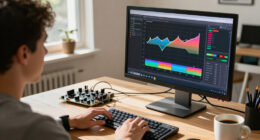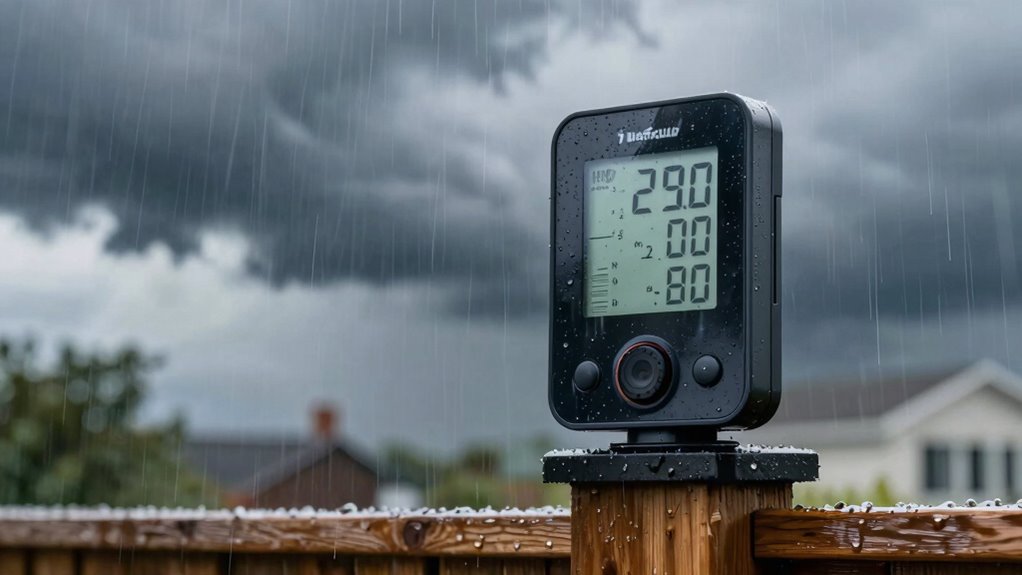

On stormy days, you should trust the sensor that’s been properly calibrated and well-maintained. Accuracy can drift over time, especially during extreme weather, so regular calibration against known standards is crucial. Make sure your sensors are clean, aligned, and checked after severe conditions. Consistently maintained sensors give you the most reliable data to understand storm progress and stay safe. Keep reading to learn how to keep your weather station in top shape during rough weather.

Get the latest gadgets delivered free with Prime
- Fast, free delivery on millions of items
- Prime Video, Amazon Music and more included
- Member-only deals all year
Key Takeaways
- Trust readings from sensors that are properly calibrated and recently maintained.
- Prioritize data from sensors shielded and cleaned to prevent debris interference during storms.
- Rely on temperature and humidity data from well-calibrated sensors for accurate storm conditions.
- Use wind and rain measurements from sensors regularly checked for alignment and cleanliness.
- Cross-reference sensor data with official weather stations if possible for verification during severe weather.
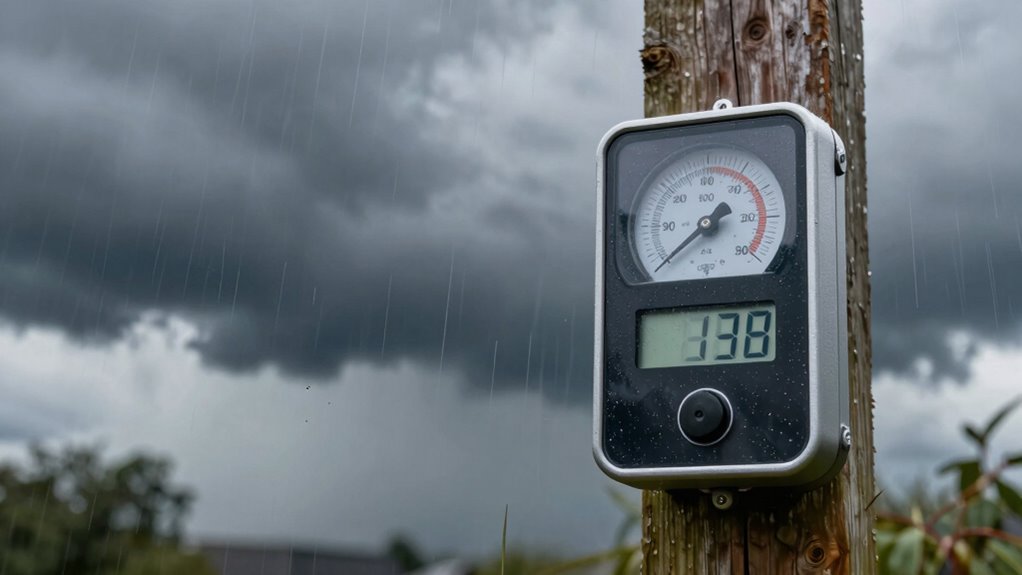
Have you ever wondered how to get accurate, real-time weather updates right from your backyard? When stormy weather hits, trusting your backyard weather station becomes crucial. The most reliable reading often comes from your main sensor, but only if it’s properly calibrated. Weather sensor calibration is key to ensuring your measurements are accurate. Over time, sensors can drift, especially under extreme conditions like storms. Regular calibration helps you correct these deviations, giving you confidence in your data. For temperature sensors, this might involve comparing readings against a known standard or a nearby official weather station. Humidity sensors need similar calibration, often by exposing them to controlled humidity levels. Wind speed sensors and rain gauges also require periodic checks—making sure they’re clean, free of debris, and correctly aligned. Proper calibration minimizes errors and ensures your data reflects real-world conditions, giving you trustworthy information during stormy days. Additionally, understanding the contrast ratio of your sensors can influence how well they perform in different lighting and weather conditions. But calibration alone isn’t enough. You also need to pay attention to data logging techniques, which impact how accurately and effectively you capture weather events. Using effective data logging techniques means setting your station to record measurements at frequent intervals. This ensures you capture the storm’s progression without missing critical moments. Also, keep your data logs organized and timestamped. Regularly reviewing your sensor performance can help identify when calibration is needed, especially after severe weather events. Some systems automatically log data and store it in cloud-based platforms, which makes reviewing storm patterns easier and more precise. Properly maintaining your sensors, including routine sensor maintenance, can extend their lifespan and accuracy over time. If your station relies on manual recording, make sure to note the time and conditions accurately.
During stormy days, the reading you trust most is the one with the most recent, well-calibrated data. As sensors age or get exposed to harsh conditions, their readings can become less reliable. That’s why ongoing calibration and diligent data logging are essential. You want to see consistent, accurate measurements that truly reflect what’s happening outside. When your sensors are properly maintained, and your data logging is precise, you’ll get a clearer picture of the storm’s intensity, wind speeds, rainfall amounts, and temperature fluctuations. This information not only helps you stay safe but also provides valuable insight into weather patterns. Trusting your backyard weather station isn’t just about having the equipment—it’s about maintaining it and using it correctly. When you do, you’ll always have the most dependable readings, even during the fiercest storms.
calibrated backyard weather station
As an affiliate, we earn on qualifying purchases.
As an affiliate, we earn on qualifying purchases.
Frequently Asked Questions
How Often Should I Calibrate My Backyard Weather Station?
You should calibrate your backyard weather station at least once every six months to guarantee accurate sensor readings. Regular sensor maintenance helps catch any drift or inaccuracies early. If you notice inconsistent data or after extreme weather events, it’s wise to increase calibration frequency. Routine calibration keeps your weather station dependable, especially during stormy days when precise readings are vital for safety and planning.
Can Weather Stations Predict Severe Weather Events Accurately?
Weather stations can predict severe weather events with moderate accuracy, especially when they analyze historical data and real-time observations. While they excel at providing early warnings, their forecast accuracy isn’t perfect, and unexpected changes can still occur. You should use your station as a helpful tool for preparedness, but always stay updated with official alerts and forecasts for the most reliable information during stormy days.
What Common Errors Affect Backyard Weather Station Readings?
You might encounter errors in your backyard weather station readings due to poor sensor placement and infrequent calibration. Placing sensors in direct sunlight, near heat sources, or in sheltered spots skews data. Additionally, calibrate your station regularly—at least monthly—to guarantee accuracy. Neglecting these factors can lead to unreliable readings, especially during storms. Proper placement and consistent calibration help maintain trustworthy weather data for your local forecasts.
Are Wireless Weather Stations More Reliable Than Wired Ones?
Wireless weather stations often seem as reliable as wired ones, but their trustworthiness hinges on wireless connectivity and signal interference. You might imagine a clear, steady stream of data, yet stormy days can disrupt signals like gusts shaking a fragile branch. Wired stations generally offer more consistent readings during storms, free from interference, so if accuracy matters most, you might prefer a wired setup despite the convenience of wireless options.
How Does Local Terrain Influence Weather Station Accuracy?
Your weather station’s accuracy is greatly influenced by local terrain. Topographical impact can cause terrain distortions, leading to inaccurate readings if your station’s placement isn’t ideal. For instance, hills or buildings might block wind or cause temperature fluctuations, skewing data. To guarantee reliable readings, position your station in an open, elevated area away from obstructions, reducing terrain distortions and capturing more accurate weather information.
As an affiliate, we earn on qualifying purchases.
Conclusion
Remember, on stormy days, your backyard weather station is your personal oracle, much like the ancient sailors relied on the stars. Trust the readings that feel right—especially the ones you can see and touch. Just as the lighthouse guides ships safely home, your station’s data can steer you clear of trouble. So, keep a keen eye and stay prepared. After all, even the sky’s most dramatic moments can’t outshine your own vigilant watch.
wind speed sensor for weather station
As an affiliate, we earn on qualifying purchases.
As an affiliate, we earn on qualifying purchases.
As an affiliate, we earn on qualifying purchases.
Halloween Picks
halloween
As an affiliate, we earn on qualifying purchases.