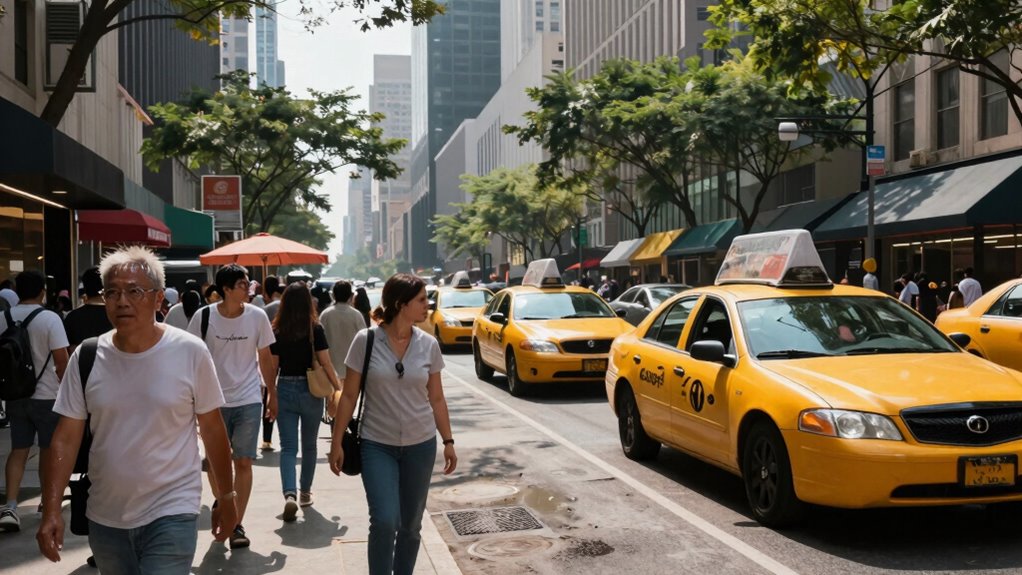

Heat waves are becoming a major public health story because climate change makes them more frequent and intense, putting vulnerable populations at higher risk of heat-related illnesses and death. Cities trap heat, creating urban heat islands that worsen conditions. Public health officials respond with cooling centers, heat advisories, and urban cooling strategies. As these threats grow, understanding how communities can adapt is essential—keep exploring to see what solutions are shaping our future.
Key Takeaways
- Increasing frequency and severity of heat waves due to climate change elevate health risks globally.
- Vulnerable populations face higher risks of heat-related illnesses and mortality during extreme heat events.
- Urban heat islands intensify heat exposure, worsening health impacts in densely populated cities.
- Public health systems need to adapt with cooling centers, advisories, and community awareness campaigns.
- The growing health burden prompts urgent policy and infrastructure investments to mitigate heat-related risks.
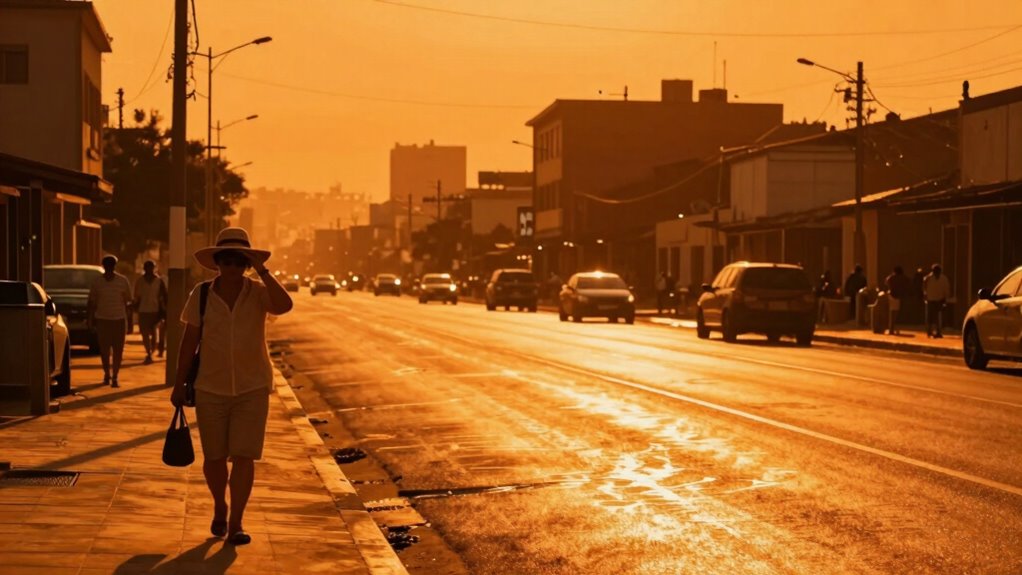
As climate change accelerates, heat waves are becoming more frequent and intense, posing serious risks to public health. When temperatures soar, vulnerable populations such as the elderly, children, and those with preexisting health conditions find themselves at greater risk of heat exhaustion, heatstroke, and even death. This rising threat demands urgent attention, pushing heat waves into the forefront of public health discussions. Cities, in particular, face unique challenges as concrete, asphalt, and buildings trap heat, creating urban heat islands that intensify the effects of extreme heat. To combat this, urban cooling strategies have gained importance in climate adaptation efforts. These measures include increasing green spaces, installing reflective surfaces, and designing buildings that facilitate natural ventilation, all aimed at reducing city temperatures and protecting residents.
You might not realize it, but climate adaptation plays a pivotal role in safeguarding health during heat waves. Governments and communities are now focusing on implementing policies that enhance resilience, like creating cooling centers and issuing heat advisories to alert people when conditions become dangerous. Urban cooling initiatives are especially indispensable because they directly address the heat retention problem in dense city environments. For example, planting trees along streets provides shade and cools the air through transpiration, making neighborhoods more livable during extreme heat. Reflective roofing materials and cool pavements also help lower surface temperatures, preventing the streets from becoming blisteringly hot. These efforts not only save lives but also reduce the strain on healthcare systems by decreasing heat-related illnesses. Additionally, public education campaigns about heat safety can significantly improve community response during heat waves. Promoting awareness about urban cooling strategies can further empower residents to take proactive steps in protecting themselves. Recognizing the importance of climate resilience can guide communities in adopting comprehensive approaches to mitigate heat impacts effectively. Moreover, understanding the role of public health infrastructure**** is essential for developing effective response plans and ensuring timely medical intervention.
You should understand that as heat waves grow stronger and more frequent, public health systems must adapt rapidly. This means investing in infrastructure that promotes climate adaptation and urban cooling, while also raising awareness about heat risks. Incorporating vetted survival gear and emergency preparedness can make a crucial difference in ensuring community safety during extreme conditions. Without such measures, the health impacts will continue to rise, overwhelming hospitals and emergency services. The importance of proactive planning becomes clear: the more you can do to prepare your community through urban cooling strategies and climate adaptation efforts, the better you’ll protect vulnerable populations from the deadly consequences of extreme heat. As temperatures climb, so too must your commitment to creating resilient cities that can withstand the growing threat of heat waves. This isn’t just about comfort; it’s about saving lives and ensuring public health remains secure in an increasingly hot world.
portable cooling fan for heat waves
As an affiliate, we earn on qualifying purchases.
As an affiliate, we earn on qualifying purchases.
Frequently Asked Questions
How Do Heat Waves Affect Mental Health?
Heat waves can substantially impact your mental health by increasing stress and heat-related anxiety. As temperatures rise, you might feel overwhelmed or irritable, which worsens mental well-being. The discomfort from the heat can lead to difficulty sleeping, further heightening stress. You may also experience heightened worries about health and safety. Recognizing these effects helps you take steps to manage heat-related anxiety and protect your mental health during extreme heat events.
Are Children More Vulnerable to Heat-Related Illnesses?
Yes, children are more vulnerable to heat-related illnesses because of their increased heat sensitivity and developing bodies. You should watch for signs like dizziness, dehydration, or heat exhaustion, especially during heat waves. Their child vulnerability means they can’t regulate body temperature as effectively as adults. Make sure they stay hydrated, wear lightweight clothing, and avoid outdoor activities during peak heat to keep them safe.
What Long-Term Health Effects Can Heat Waves Cause?
You can suffer long-term health effects from heat waves, like chronic respiratory issues due to poor air quality and urban heat exposure. Prolonged heat can worsen cardiovascular problems and increase the risk of heat-related illnesses over time. Urban heat traps heat in cities, making air quality worse, which impacts your lungs and overall health. Staying protected and advocating for greener spaces helps reduce these long-term risks.
How Do Heat Waves Impact Healthcare Infrastructure?
Heat waves strain healthcare infrastructure by overwhelming emergency services and increasing patient demand. You see hospitals and clinics become overcrowded, struggling to handle heat-related illnesses. Urban planning plays a essential role; poorly designed cities amplify heat effects, making emergency preparedness indispensable. Effective planning and resource allocation can help your healthcare system better respond, ensuring you can provide timely care and reduce the health impacts of extreme heat.
Are There Differences in Heat Wave Effects Globally?
Heat wave effects vary worldwide, and it’s like the climate’s playing a different tune in every region. In some places, urban planning and cultural adaptation help communities cope, while others face more severe impacts due to limited resources. Developing nations often struggle with infrastructure, making heat waves deadlier. Your awareness of these differences highlights the importance of tailored strategies to protect vulnerable populations and adapt to changing climate patterns globally.
reflective roofing materials for heat reduction
As an affiliate, we earn on qualifying purchases.
As an affiliate, we earn on qualifying purchases.
Conclusion
As the scorching sun beats down and heat waves stretch endlessly across the horizon, you can’t ignore the silent threat they pose to your health. The air feels thick, and every breath reminds you of the urgent need for awareness and action. By staying informed and prepared, you become part of the shield protecting yourself and your community from this rising danger. Together, we can weather the heat and keep our future safe amidst the relentless summer blaze.
urban cooling spray for city heat
As an affiliate, we earn on qualifying purchases.
As an affiliate, we earn on qualifying purchases.
As an affiliate, we earn on qualifying purchases.