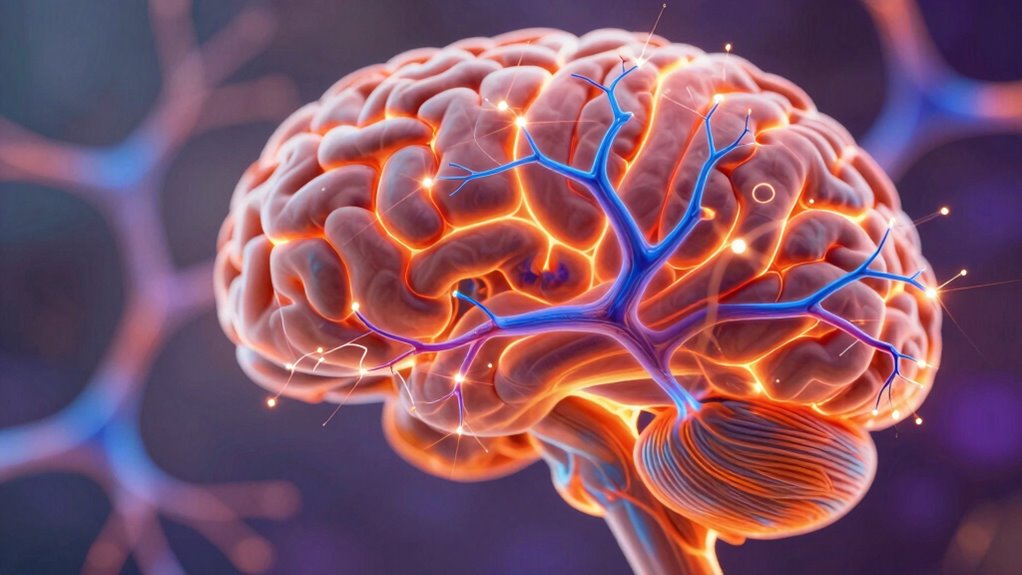

Recent discoveries show your brain stays adaptable throughout your life, overturning old beliefs that it was fixed after childhood. You can generate new neurons in areas like the hippocampus and rewire existing connections through learning and experience. This means you can improve skills, recover from injury, and delay decline by challenging yourself with new activities. If you’re curious about how to harness this potential for growth, keep exploring what these exciting findings reveal about your mind’s incredible capacity.

Get the latest gadgets delivered free with Prime
- Fast, free delivery on millions of items
- Prime Video, Amazon Music and more included
- Member-only deals all year
Key Takeaways
- Recent discoveries show the adult brain can generate new neurons, especially in the hippocampus, enhancing learning and memory.
- Synaptic reorganization enables the brain to actively rewiring connections, improving skill acquisition and recovery.
- Brain plasticity persists throughout life, challenging the belief that brain structure is fixed after childhood.
- Engaging in new activities stimulates neurogenesis and synaptic changes, promoting cognitive and emotional growth.
- Recognizing brain plasticity encourages lifelong learning and personal development through targeted mental and physical activities.
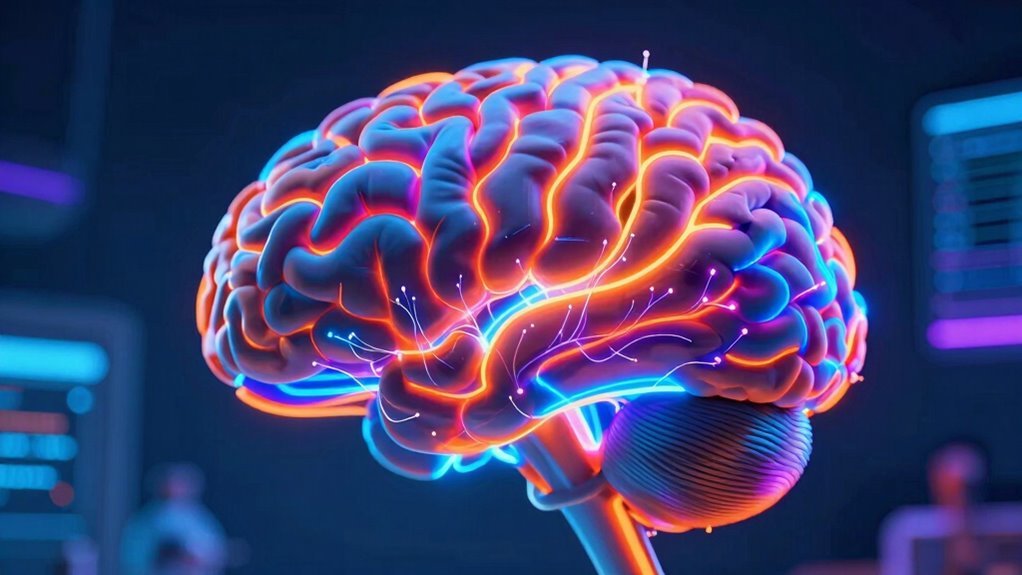
Scientists have long believed the brain’s structure was fixed after a certain age, but recent discoveries have upended that idea by revealing its remarkable ability to change and adapt throughout your life. This newfound understanding centers around the brain’s neurogenesis potential and its capacity for synaptic reorganization. Instead of a static organ, your brain is more like a dynamic network that continually rewires itself, even into adulthood.
Neurogenesis—the process of generating new neurons—was once thought to occur only in early childhood. However, scientists now know that your brain maintains this potential, particularly in regions like the hippocampus, which is crucial for learning and memory. This means that, through activities like learning new skills or engaging in stimulating environments, you can actively promote the growth of new neurons. This ongoing neurogenesis enhances your brain’s plasticity, making it more adaptable and resilient to changes or damage.
Your brain can generate new neurons in areas like the hippocampus, boosting plasticity and resilience through learning and stimulating activities.
Equally important is synaptic reorganization, where existing connections between neurons are strengthened, weakened, or rerouted. When you learn something new, your brain doesn’t just store information passively; it actively rewires itself, forming new synapses and modifying existing ones. This process allows you to improve skills, recover from injury, or adapt to new circumstances. For example, picking up a new language or musical instrument doesn’t just add knowledge—it physically reshapes your neural pathways, making future learning easier.
This dynamic quality of your brain fundamentally shifts how we think about learning and growth. It suggests that your mental capacities aren’t fixed but can be expanded through deliberate effort and experience. The more you challenge your brain with novel tasks, the more you stimulate neurogenesis and synaptic reorganization. Over time, this can lead to enhanced cognitive function, better emotional regulation, and even a delay in age-related decline.
Understanding your brain’s plasticity empowers you to take control of your mental development. Whether you’re learning a new hobby, practicing mindfulness, or engaging in physical activity, you’re actively promoting your brain’s ability to adapt and grow. The discovery of ongoing neurogenesis and synaptic reorganization proves that your brain is not a static organ but a vibrant, ever-changing system capable of remarkable transformations at any age. Recognizing that brain plasticity can be harnessed through various activities encourages a proactive approach to lifelong learning and personal growth.
brain training games for neuroplasticity
As an affiliate, we earn on qualifying purchases.
As an affiliate, we earn on qualifying purchases.
Frequently Asked Questions
How Quickly Can the Brain Adapt Through Plasticity?
Your brain can adapt remarkably quickly through plasticity, often within days or weeks. When you engage in neurogenesis enhancement activities and focus on synaptic strengthening, you foster faster changes. Learning new skills or habits can lead to noticeable improvements in a short time, as your brain rewires itself. Consistent effort amplifies this process, making your neural connections stronger and more efficient, ultimately boosting your ability to learn and adapt swiftly.
Does Brain Plasticity Decline With Age?
Think of your brain as a garden—you can still plant new seeds even as you age. Brain plasticity does decline with age, but neurogenesis enhancement and fostering cognitive flexibility keep it thriving. You can strengthen your brain’s adaptability by learning new skills or engaging in mental exercises. So, even if the years pile up, your brain remains capable of growth and change, like a resilient tree bending with the wind.
Can Plasticity Help Recover Lost Memories?
Yes, plasticity can aid in recovering lost memories. By engaging in targeted neurorehabilitation techniques, your brain can strengthen existing neural pathways or form new ones, improving memory retention. Active participation in memory exercises, such as cognitive therapy or brain-training activities, leverages plasticity’s potential. When you consistently challenge your brain, you enhance its ability to recover and retain memories, even after injury or decline, showcasing the remarkable adaptability of your neural networks.
What Activities Enhance Brain Plasticity Most?
You can release your brain’s full potential by engaging in activities that supercharge neurogenesis enhancement and synaptic strengthening. Exercise, especially aerobic workouts, dramatically boosts brain plasticity, making your mind more adaptable. Learning new skills, like a language or instrument, also sparks growth. Mindfulness meditation reduces stress and promotes neural connections. Even challenging puzzles or creative pursuits push your brain to rewire itself, transforming your mental landscape into an unstoppable powerhouse.
Are There Risks Associated With Stimulating Plasticity?
Stimulating brain plasticity can carry neurochemical risks and overstimulation concerns. When you push your brain too hard with intense activities, you might disrupt its natural balance, leading to fatigue, stress, or even mood swings. Overstimulation can also cause neurochemical imbalances, which may hinder learning and recovery. It is crucial to balance stimulation with rest, ensuring you promote healthy plasticity without risking burnout or negative side effects.
adult brain neurogenesis supplements
As an affiliate, we earn on qualifying purchases.
As an affiliate, we earn on qualifying purchases.
Conclusion
This discovery about brain plasticity opens a universe where your mind isn’t fixed but a garden you can continually cultivate. Think of your brain as a malleable sculpture, ready to be shaped by your efforts and experiences. No matter your age, you hold the chisel—sculpting new pathways, breaking old molds. Embrace this power, and watch your learning journey become a vibrant masterpiece in progress, proving that your potential is as limitless as the sky.
As an affiliate, we earn on qualifying purchases.
As an affiliate, we earn on qualifying purchases.
Evergreen bestsellers Picks
bestsellers
As an affiliate, we earn on qualifying purchases.