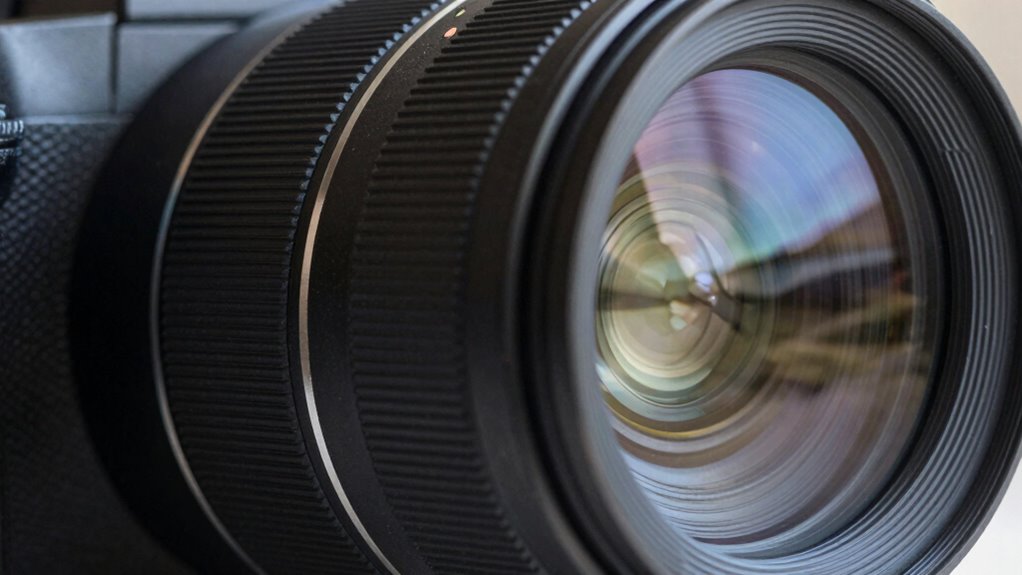

Many people obsess over megapixels when choosing a camera, but it’s not the most important factor for quality. Higher megapixels mainly let you print larger photos or crop more without losing detail. Instead, focus on sensor size, which affects how well your camera handles low light, dynamic range, and overall sharpness. Larger sensors deliver better images in tricky conditions. If you want to understand what truly impacts your photos, keep exploring these key differences.
Key Takeaways
- Megapixels are often overvalued; they mainly affect print size and cropping, not overall image quality.
- Sensor size is the more crucial factor, as larger sensors capture more light and improve low-light performance.
- High megapixel counts can lead to noisier images if sensor size isn’t adequate.
- Bigger sensors deliver better dynamic range and color accuracy than higher megapixel counts alone.
- Prioritize sensor size over megapixels for better versatility and image quality in various shooting conditions.
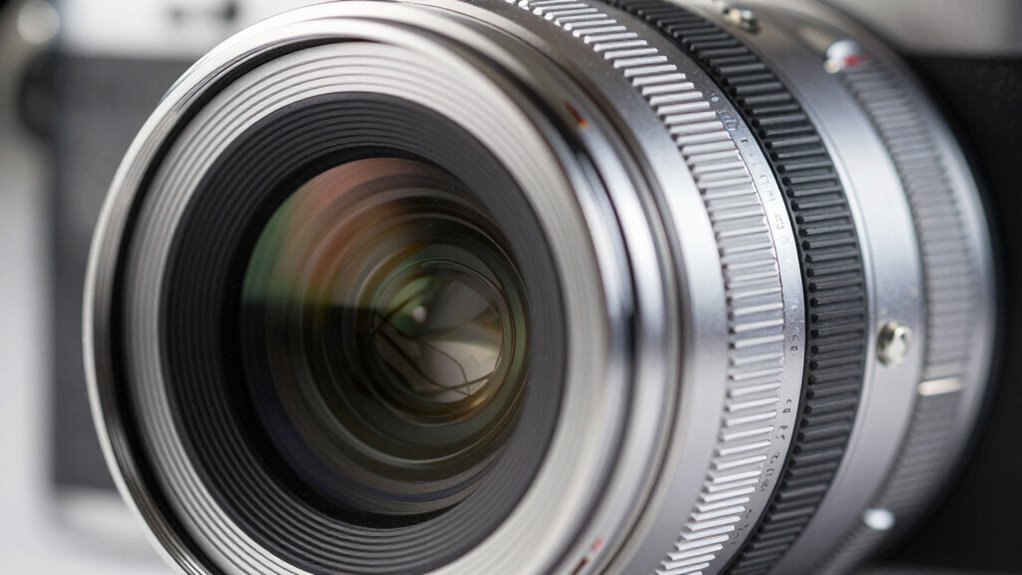
Everyone seems fixated on megapixels when choosing a camera, but this obsession often distracts from more important factors that truly impact your photos. When you’re shopping for a camera, it’s easy to get caught up in the megapixel count, believing that a higher number automatically means better image quality. While megapixels do matter, they’re not the whole story. More often than not, a camera’s sensor size plays a much bigger role in determining how good your photos will look, especially in challenging lighting conditions.
Sensor size is a key factor because it affects how much light the camera can capture. Larger sensors, such as full-frame or APS-C sensors, have bigger individual pixels, which means they gather more light. This results in images with better dynamic range, less noise in low-light situations, and more accurate colors. Smaller sensors, like those found in smartphones and compact cameras, tend to produce images that are less detailed and more prone to noise, even if they boast high megapixel counts. So, if you’re after sharp, vibrant photos in various lighting conditions, prioritizing sensor size over megapixels is a smarter move. Additionally, sensor size and image quality are closely linked, and understanding this relationship helps you make more informed choices. Recognizing the importance of sensor size can help you avoid the misconception that more megapixels always lead to better images.
Larger sensors capture more light, resulting in better dynamic range, less noise, and more vibrant images in challenging lighting.
Megapixel count, on the other hand, is often misunderstood. A higher number doesn’t necessarily mean your photos will be clearer or more detailed in every situation. It mainly affects how large you can print your photos or how much you can crop without losing quality. If you’re not planning to blow up your images to massive sizes, an extremely high megapixel count might not offer much benefit. Instead, it could lead to larger file sizes, slower processing, and even more noise if the sensor isn’t large enough to support those pixels effectively.
When you’re making a choice, think about what matters most to your photography. If you want versatility, good low-light performance, and sharp images, focus on the sensor size. If you’re shooting for large prints or detailed cropping, a higher megapixel count can help, but only if paired with an appropriately sized sensor. Remember, a camera with a large sensor and a modest megapixel count can outperform a small-sensor camera with a high megapixel number. Ultimately, it’s about understanding how these specs work together to produce the kind of images you want. Don’t be fooled into thinking megapixels are the only thing that counts—sensor size is often the real game-changer.

Canon EOS RP Full-Frame Mirrorless Interchangeable Lens Camera + RF24-105mm Lens F4-7.1 is STM Lens Kit- Compact and Lightweight for Traveling and Vlogging, Black (3380C132)
Compact, Lightweight and High-Quality RF Lens with a Versatile Zoom Range of 24-105 millimeter
As an affiliate, we earn on qualifying purchases.
As an affiliate, we earn on qualifying purchases.
Frequently Asked Questions
How Does Megapixel Count Affect Image Quality in Real-World Scenarios?
Higher megapixel counts increase image resolution, offering more detail in your photos. However, in real-world scenarios, this can lead to increased sensor noise, especially in low light. More megapixels don’t always mean better quality if your camera’s sensor isn’t well-designed; it might produce grainy images. Focus on overall sensor quality and how well it manages noise, rather than just megapixel numbers, for better picture quality.
Is a Higher ISO Always Better for Low-Light Photography?
Think of ISO as a dimmer switch for your camera’s light; cranking it up isn’t always brighter, but it can introduce sensor noise, muddying your shot. Higher ISO improves low-light performance but sacrifices image quality if the sensor noise becomes overwhelming. Instead of chasing higher ISO, focus on your camera’s ISO performance—how well it balances brightness and noise—to capture crisp images in darkness without losing detail.
Do Camera Sensors Improve With Larger Pixel Size?
Yes, larger pixel size generally improves camera sensors because it allows each pixel to gather more light, enhancing low-light performance and reducing noise. While sensor size impacts overall image quality, pixel density matters too; higher pixel density can lead to noise, especially in low light. So, a balance between sensor size and pixel size is key for better images, especially in challenging lighting conditions.
How Important Is Frame Rate for Casual Photographers?
Frame rate isn’t essential for casual photographers, but it does matter if you shoot fast-moving subjects or want smoother videos. While higher frame rates can enhance your footage, focus more on sensor durability and ergonomic design for comfort during extended shoots. These features guarantee your camera stays reliable and comfortable to hold, making your photography experience more enjoyable rather than obsessing over frame rate alone.
Can Lens Quality Outweigh Sensor Specifications?
You’ll find lens quality can sometimes surpass sensor specs, especially when capturing intricate details. Imagine lens sharpness slicing through a foggy landscape, revealing textures and depth of field that make your photos pop. A superb lens with rich glass can create stunning images, even if the sensor isn’t top-of-the-line. Focus on a high-quality lens, and you’ll often see better results than just obsessing over sensor megapixels.

Canon EOS R10 Mirrorless Camera Kit | 24.2MP APS-C Sensor with RF-S 18-150mm Lens | 4K Video Dual Pixel AF Compact Travel Photography (5331C016) + Canon RF 75-300mm Lens + 64GB Card + Bag
Canon USA Authorized. Items Include: Canon EOS R10 Mirrorless Camera Kit | 24.2MP APS-C Sensor with RF-S 18-150mm…
As an affiliate, we earn on qualifying purchases.
As an affiliate, we earn on qualifying purchases.
Conclusion
So next time you’re obsessing over that tiny megapixel number or fancy sensor specs, remember—you’re chasing shadows. Your camera’s true magic isn’t in the specs but in what you capture with it. Imagine a single photo transforming your entire world, bursting with colors and stories only you can tell. Don’t let specs blind you—your eye, your heart, that’s what makes every shot extraordinary. Embrace the magic beyond numbers, and watch your images come alive like never before!

DS-2CE76U7T-ITMF 4K 8MP TVI Camera, Analog Security CCTV 4 in 1 ( TVI/AHD/CVI/CVBS), 0.003 Lux Ultra Low Light Turret Dome Camera, 2.8mm Wide Angle Lens, 130 dB True WDR, 30 m IR distance, IP67
8MP TVI Camera with 4K Clarity: Capture Every Fine Detail – As a high-performance 4K TVI CAMERA, this…
As an affiliate, we earn on qualifying purchases.
As an affiliate, we earn on qualifying purchases.

Canon EOS Rebel T7 DSLR Camera with 18-55mm Lens | Built-in Wi-Fi | 24.1 MP CMOS Sensor | DIGIC 4+ Image Processor and Full HD Videos
24.1 Megapixel CMOS (APS-C) sensor with is 100–6400 (H: 12800)
As an affiliate, we earn on qualifying purchases.
As an affiliate, we earn on qualifying purchases.