
TL;DR
Play games included with Prime
Start a Prime free trial and play with Amazon Luna on your devices.
Start playingAs an affiliate, we earn on qualifying purchases.
A hobbyist documented their process of designing and assembling their first PCB. This report covers the confirmed steps, challenges faced, and lessons learned, offering insights for beginners.
A hobbyist has completed their first PCB design and assembly, marking a significant milestone in their electronics learning journey. This development is confirmed by their detailed documentation and shared progress, offering valuable insights for other beginners.
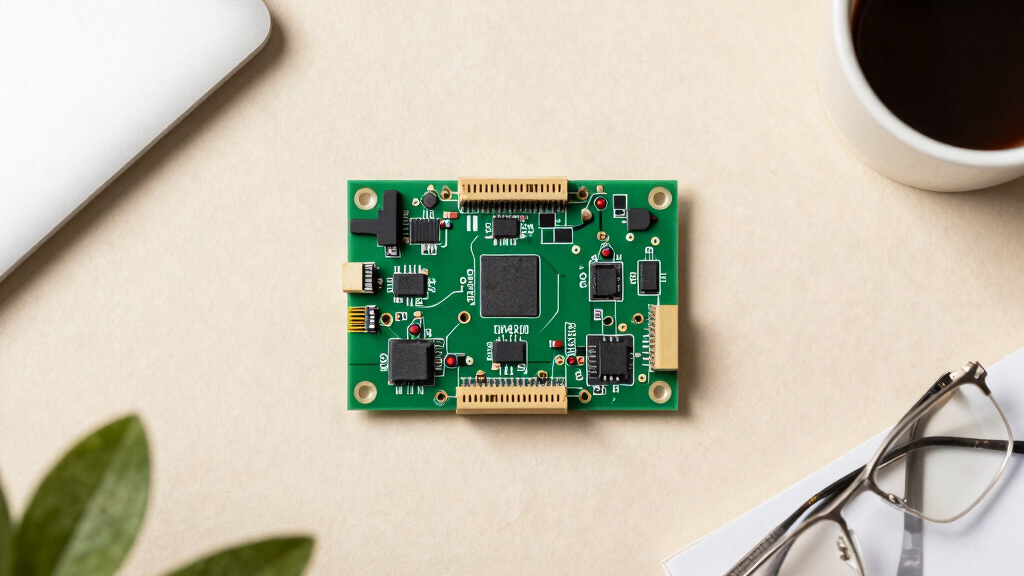
The individual, with limited prior experience, started by learning basic PCB design principles using free software tools like KiCad. They created a schematic, laid out the PCB, and ordered components from an online supplier. The assembly process involved soldering surface-mount and through-hole components, which they documented step-by-step. The project faced common challenges such as component placement accuracy and soldering difficulties but was ultimately successful, resulting in a functioning circuit.
According to the hobbyist, the entire process took several weeks, during which they learned critical skills such as reading datasheets, designing for manufacturability, and troubleshooting hardware issues. They emphasized the importance of patience and careful planning, especially in the soldering phase. The completed PCB now functions as intended, confirming the project’s success.
Why First PCB Projects Matter for Beginners
This experience demonstrates that with accessible tools and resources, even beginners can successfully design and assemble functional PCBs. It highlights the growing accessibility of electronics manufacturing and encourages more hobbyists and students to pursue hands-on projects. The process also underscores the importance of learning through practical experience, which can accelerate understanding of electronic design concepts and foster confidence in DIY electronics.
As an affiliate, we earn on qualifying purchases.
Growing Accessibility of DIY PCB Design and Assembly
In recent years, advances in free design software like KiCad and the availability of low-cost component sourcing have lowered barriers for hobbyists. Many online tutorials and communities now support beginners through the process of PCB design, from schematic creation to assembly. While professional manufacturing remains complex, small-scale, home-based PCB assembly has become increasingly feasible, enabling individuals to prototype and learn without significant upfront investment.
This particular project aligns with a broader trend of DIY electronics, where individuals document their experiences to share tips and troubleshoot common issues. The hobbyist’s journey reflects the practical aspects of this movement, emphasizing learning-by-doing and resourcefulness.
“Designing and assembling my first PCB was challenging but incredibly rewarding. It taught me a lot about circuit design, soldering, and troubleshooting.”
— the hobbyist
As an affiliate, we earn on qualifying purchases.
Unanswered Questions About Long-Term Reliability
It is not yet clear how durable or reliable the DIY-assembled PCB will be over extended use. Long-term testing and environmental stress assessments are still pending, and the hobbyist has not yet tested the circuit under different conditions.
through-hole and surface-mount components
As an affiliate, we earn on qualifying purchases.
As an affiliate, we earn on qualifying purchases.
Next Steps for Improving and Sharing PCB Projects
The hobbyist plans to refine their design, possibly incorporating multi-layer boards and more complex circuits. They also intend to share detailed tutorials and participate in online electronics communities to help others learn from their experience. Further testing and iteration will be key to enhancing durability and functionality.
As an affiliate, we earn on qualifying purchases.
Key Questions
What software is best for designing a beginner PCB?
Many beginners start with free tools like KiCad or EasyEDA, which offer user-friendly interfaces and extensive tutorials.
How difficult is it to assemble a PCB at home?
While it requires patience and some skill, many hobbyists find that with practice, soldering surface-mount and through-hole components becomes manageable. Starting with simple designs is recommended.
What are common challenges faced during DIY PCB assembly?
Common issues include misaligned components, solder bridges, and troubleshooting connectivity problems. Careful planning and practice can mitigate these issues.
Can I expect my DIY PCB to last as long as professionally manufactured ones?
Durability depends on factors like component quality, assembly precision, and operating conditions. Long-term reliability is still being evaluated for hobbyist-assembled PCBs.
What should I do after successfully assembling my first PCB?
Consider testing under different conditions, documenting your process, and sharing your experience online to help others and improve your skills.
Source: hn
Fall yard work Picks
leaf blowers
As an affiliate, we earn on qualifying purchases.