
Understanding how solar radiation impacts the lunar surface is key for your future missions. It causes extreme temperature swings, degrades materials, and alters regolith properties, affecting equipment durability and safety. Shielding and resilient construction are essential to counter these challenges. Planning for long-term exposure requires knowledge of radiation effects on both infrastructure and resources. Keep exploring to discover how this science shapes sustainable lunar exploration and how you can prepare for these harsh conditions.

Get the latest gadgets delivered free — and shop member deals
- Fast, free delivery on millions of items
- Access to Prime Big Deal Days deals on October 6–7
- Prime Video, Amazon Music and more included
Key Takeaways
- Understanding solar radiation effects on lunar surface materials is vital for durable infrastructure development.
- Radiation-induced changes in regolith influence resource extraction and safety protocols for future missions.
- Protecting equipment from temperature extremes caused by solar radiation ensures mission longevity.
- Research on radiation’s impact guides effective shielding and surface coating technologies.
- Long-term mission planning must consider radiation effects on surface environment and materials durability.
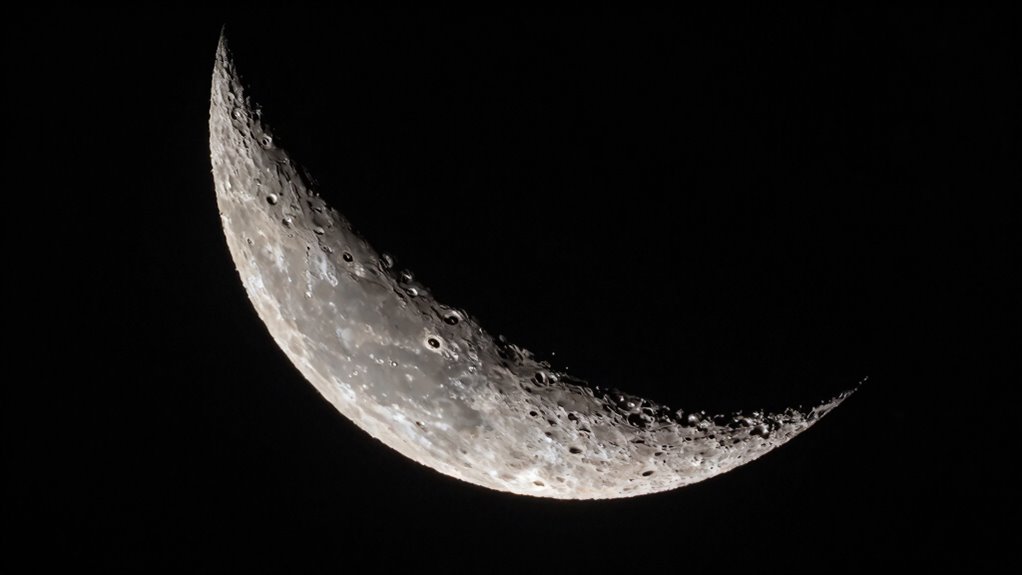
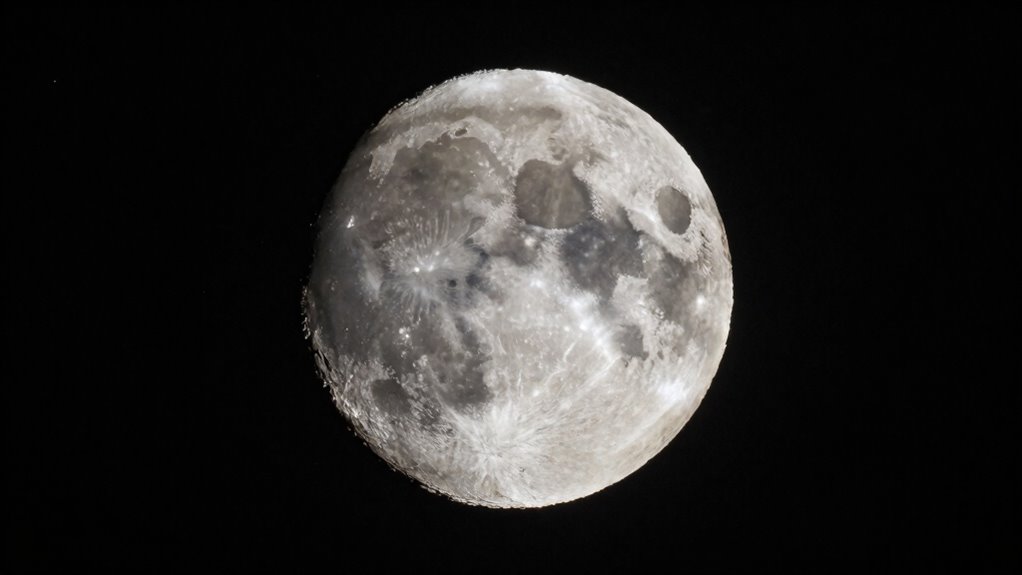
As future lunar missions gear up, understanding the latest scientific advancements related to the Moon’s environment becomes essential. One of the key areas you need to focus on is the lunar surface, which presents unique challenges and opportunities. The lunar surface isn’t just a static landscape; it’s a dynamic environment influenced heavily by solar radiation. This radiation, coming from the Sun, bombards the Moon constantly because the lunar atmosphere is nearly nonexistent, leaving the surface exposed to unfiltered solar energy. Knowing how solar radiation interacts with the lunar surface helps you understand potential hazards for both equipment and future explorers.
Solar radiation can cause significant issues for mission hardware. It heats the lunar surface unevenly, creating temperature swings that can affect the integrity of structures and instruments. These swings can reach hundreds of degrees Celsius between lunar day and night, which means materials need to be carefully selected and engineered to withstand such extremes. Additionally, solar radiation contributes to the degradation of surface materials over time, breaking down surfaces and potentially damaging sensitive equipment. As you plan for longer stays or permanent bases, you must develop protective measures against this radiation, such as specialized shielding or surface coatings that absorb or deflect harmful energy. Moreover, ongoing research into the effects of radiation on various materials helps inform the development of more resilient construction techniques. Understanding how radiation influences regolith** is also crucial for resource utilization and safety strategies. Recognizing the long-term impacts** of radiation exposure on the lunar surface guides the development of mitigation techniques to ensure mission longevity.
You also need to understand how solar radiation impacts the lunar surface itself. The radiation can induce changes in the regolith—the loose, dusty layer covering the Moon’s bedrock—altering its physical and chemical properties. This understanding is vital because the regolith is a primary resource for future missions, providing materials for construction, life support, and even fuel production. If solar radiation causes the regolith to become more brittle or chemically reactive, it could influence extraction techniques and safety protocols. Additionally, the radiation can generate secondary particles and ions, which may pose further risks for both equipment and human health. Research into the effects of solar radiation on the regolith also helps improve material durability and safety strategies for lunar infrastructure. As new techniques are developed, understanding these interactions becomes increasingly important for sustainable lunar exploration.
lunar radiation shielding materials
As an affiliate, we earn on qualifying purchases.
As an affiliate, we earn on qualifying purchases.
Frequently Asked Questions
How Will Lunar Dust Impact Future Human Habitats?
Lunar dust will greatly impact your future habitats by causing contamination and potential health issues. Its fine, abrasive particles can cling to surfaces, making habitat cleaning challenging and increasing the risk of dust inhalation. You’ll need effective containment and filtration systems to prevent dust from infiltrating living spaces. Managing lunar dust is crucial to maintain a safe, sustainable environment and guarantee long-term success for lunar missions.
What Are the Latest Advancements in Lunar Resource Extraction?
You’re witnessing breakthroughs in lunar resource extraction, where remote sensing identifies rich deposits, and resource processing turns lunar materials into usable products. These advancements allow you to efficiently locate and extract resources like water and minerals, making lunar missions more sustainable. By combining cutting-edge technology with innovative techniques, you can now envision a future where lunar industries thrive, transforming the Moon into an essential stepping stone for deeper space exploration.
How Will Lunar Gravity Affect Long-Term Astronaut Health?
Lunar gravity, which is only about one-sixth of Earth’s, can lead to astronaut bone loss and muscle atrophy over time. You might experience weakened bones and reduced muscle mass, making movement and daily tasks more challenging. To combat this, you’ll need regular exercise routines and possibly new medical treatments to maintain your health during long-term missions. Understanding these effects is essential for planning safe, sustainable lunar exploration.
What Communication Challenges Exist During Lunar Night?
During lunar night, communication blackouts challenge your ability to stay connected, monitor systems, and receive vital updates. These blackouts occur because the Moon’s dark side lacks sunlight, blocking signals from Earth. You must rely on pre-programmed commands, autonomous systems, and relay satellites to overcome this hurdle. Maintaining communication during lunar night is essential for safety, mission success, and ensuring continuous support as you explore the Moon’s hidden, darkened regions.
How Can Lunar Science Improve Earth’s Climate Understanding?
You can improve Earth’s climate understanding by studying lunar geology and solar radiation interactions. Analyzing lunar surface features reveals historical solar radiation patterns, which help model climate change. By examining how lunar geology records solar activity, you gain insights into past solar fluctuations affecting Earth. This knowledge enables better climate predictions, helping you develop strategies for climate resilience and understanding the long-term impacts of solar radiation on our planet.
moon surface temperature protection gear
As an affiliate, we earn on qualifying purchases.
As an affiliate, we earn on qualifying purchases.
Conclusion
As you prepare for future lunar missions, remember that understanding the moon’s mysteries is like opening a treasure chest buried in the dark—each discovery lights the way forward. Just as explorers once relied on stars to navigate uncharted waters, scientists now use new moon science to chart a course for sustainable lunar exploration. Every breakthrough brings us closer to turning the moon into a stepping stone for humanity’s next giant leap.
lunar regolith resource extraction tools
As an affiliate, we earn on qualifying purchases.
As an affiliate, we earn on qualifying purchases.
space-grade surface coatings for Moon
As an affiliate, we earn on qualifying purchases.
As an affiliate, we earn on qualifying purchases.
Evergreen bestsellers Picks
bestsellers
As an affiliate, we earn on qualifying purchases.