
TL;DR
A new animated video, inspired by Rollercoaster Tycoon, visually explains how semiconductor chips are made. The animation aims to educate the public and students about chip manufacturing processes in an engaging way.
A new animated video, styled after the popular simulation game Rollercoaster Tycoon, visually demonstrates the process of semiconductor chip manufacturing. The animation was released by TechLearn Education on March 27, 2024, and aims to make complex manufacturing steps accessible and engaging for a broad audience. This development is significant as it provides an innovative educational tool in the tech industry.
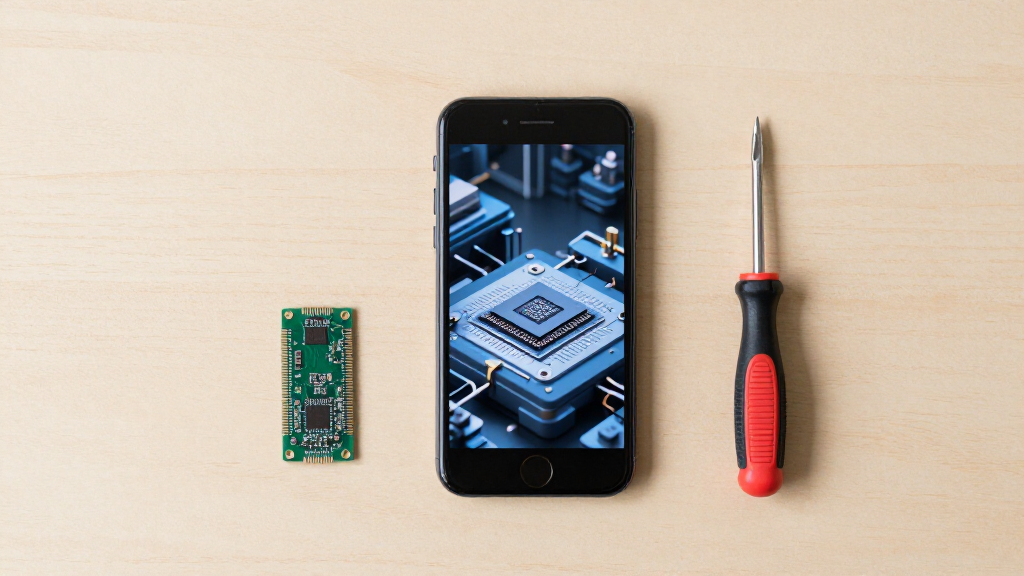
The animation uses colorful, game-like visuals reminiscent of Rollercoaster Tycoon to depict each stage of chip production, from silicon wafer preparation to etching, doping, and packaging. According to TechLearn Education, the goal is to simplify the complex steps involved in semiconductor fabrication for students, educators, and the general public.
While the animation itself is a creative reinterpretation, the process it illustrates aligns with standard industry practices. Experts confirm that the steps shown are accurate representations of current manufacturing techniques, although the animation emphasizes visual clarity over detailed technical precision.
Educational Impact of the Rollercoaster Tycoon-Style Animation
This animated approach could significantly enhance public understanding of semiconductor manufacturing, which is often viewed as opaque and complex. Increasing awareness is crucial as global chip demand rises and supply chain issues persist. The engaging format may also inspire interest among students considering careers in tech and engineering fields.
semiconductor manufacturing educational kit
As an affiliate, we earn on qualifying purchases.
As an affiliate, we earn on qualifying purchases.
How This Animation Fits Into Broader Tech Education Efforts
Semiconductor manufacturing is a highly technical process involving dozens of steps that are difficult to visualize without specialized knowledge. Existing educational materials tend to be technical and abstract. The release of this Rollercoaster Tycoon-inspired animation represents an innovative attempt to bridge the gap between technical complexity and public understanding.
Similar efforts to gamify or visually simplify complex scientific processes have gained popularity in recent years, but this particular project is notable for its playful, game-inspired aesthetic combined with accurate technical content.
As an affiliate, we earn on qualifying purchases.
Details on Production and Future Plans Remain Unclear
It is not yet clear how widely the animation will be distributed or whether it will be incorporated into formal educational curricula. Additionally, the creators have not disclosed if they plan to develop similar animations for other complex technical processes or expand this project.
Further information is awaited regarding the animation’s impact on understanding or engagement levels among viewers.
semiconductor process diagram poster
As an affiliate, we earn on qualifying purchases.
As an affiliate, we earn on qualifying purchases.
Next Steps for Educational Outreach and Content Expansion
Organizers plan to share the animation with schools and educational platforms in the coming months. They are also exploring collaborations with industry partners to develop additional visual tools that simplify other complex technologies. Monitoring the reception and effectiveness of this animation will be key to future initiatives.
electronics engineering learning kit
As an affiliate, we earn on qualifying purchases.
As an affiliate, we earn on qualifying purchases.
Key Questions
Who created the Rollercoaster Tycoon-inspired animation?
The animation was produced by TechLearn Education, an organization focused on innovative educational tools in science and technology.
Is the animation technically accurate?
Yes, industry experts confirm that the animation accurately depicts the main steps involved in semiconductor chip manufacturing, although it simplifies some technical details for clarity.
How can this animation be used in education?
It can be integrated into classroom lessons, online courses, or public outreach programs to help students and the general public better understand how chips are made.
Will there be more animations like this?
Officials have indicated plans to develop additional visual tools for other complex scientific and technical processes, but specific projects have not yet been announced.
What is the main benefit of using a game-inspired approach?
It makes learning more engaging and accessible, especially for younger audiences or those unfamiliar with technical jargon, potentially increasing interest in STEM fields.
Source: hn