

A gene linked to extreme longevity in supercentenarians has been shown to actively reverse heart damage, especially in progeria patients. It promotes the regeneration of damaged heart cells, restoring cardiac tissue and improving function. This discovery offers hope for new regenerative treatments that can repair and rejuvenate aging tissues. If you want to understand how this breakthrough could shape future therapies, there’s more to learn behind this exciting development.

Get the latest gadgets delivered free with Prime
- Fast, free delivery on millions of items
- Prime Video, Amazon Music and more included
- Member-only deals all year
Key Takeaways
- The longevity gene identified in supercentenarians enhances cellular repair and regeneration, reversing heart tissue damage effectively.
- Activation of this gene shows promise in restoring damaged cardiac tissue in progeria models.
- It offers a new therapeutic approach beyond damage prevention, potentially slowing or reversing progeria progression.
- The gene’s role in promoting heart regeneration could improve recovery after heart attacks in aging and progeria patients.
- Harnessing this gene’s function may lead to regenerative treatments that extend lifespan and improve heart health.
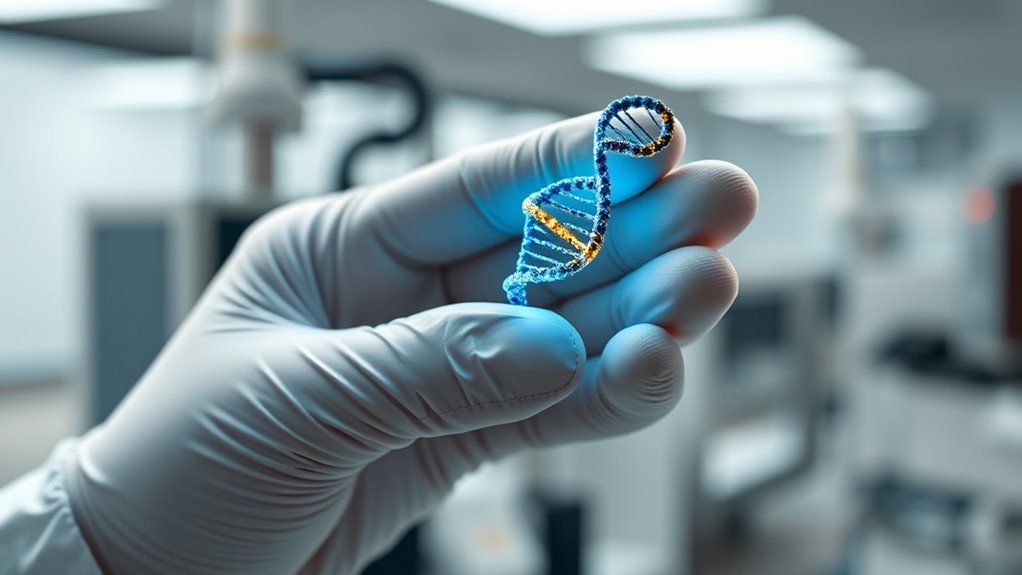
Scientists have discovered that a gene associated with longer lifespans can actively reverse heart damage, offering new hope for millions affected by cardiovascular diseases. This breakthrough centers on a gene found in supercentenarians—people who live beyond 110 years—that appears to have a powerful role in repairing heart tissue. When researchers studied this gene, they found that it influences cellular mechanisms responsible for regeneration and repair, making it a promising target for tackling heart disease, especially in vulnerable populations like those with progeria.
If you or someone you know is affected by progeria—a rare genetic disorder causing accelerated aging—you understand how devastating heart problems can be. The discovery of this longevity gene provides a fresh perspective: instead of merely preventing damage, it can actively reverse it. Experiments in laboratory models have shown that activating this gene prompts heart cells to regenerate, restoring damaged tissue and improving cardiac function. It’s as if the gene *unbarriers* a natural repair system that typically diminishes with age.
What makes this finding especially exciting is the potential for therapeutic application. Scientists are exploring ways to safely enhance the activity of this gene in humans, aiming to develop treatments that can rejuvenate the heart’s tissue after damage from heart attacks or age-related decline. For people with progeria, this could mean not just slowing down disease progression but actually reversing some of the severe cardiovascular damage they experience. Imagine a future where heart failure becomes less common among young patients with accelerated aging conditions, thanks to genetic therapies inspired by this discovery.
You might wonder how a gene from supercentenarians can have such a powerful effect. It turns out that these individuals possess genetic adaptations that contribute to their extraordinary longevity. The gene in question appears to promote cellular resilience and regeneration, counteracting the typical decline seen with aging. Researchers are now investigating how to mimic this effect in wider populations, with the hope of extending not just lifespan but healthspan—the period of life spent in good health.
While still in the experimental phase, this research marks a significant step forward. It’s a reminder that understanding the genetics behind extreme longevity can *liberate* new approaches to treating age-related diseases. If successful, therapies based on this gene could transform how we address heart damage, making recovery more achievable and improving quality of life for millions. For those affected by progeria and other age-related conditions, this discovery offers a glimpse into a future where reversing damage is not just a possibility but an attainable goal. The gene’s role in cellular repair mechanisms underscores the potential for regenerative medicine to redefine aging and disease treatment.
heart regeneration therapy devices
As an affiliate, we earn on qualifying purchases.
As an affiliate, we earn on qualifying purchases.
Frequently Asked Questions
Can This Gene Therapy Be Applied to Other Age-Related Diseases?
Yes, this gene therapy could be applied to other age-related diseases. If it effectively promotes cellular repair and reverses damage, it might help treat conditions like Alzheimer’s, Parkinson’s, or osteoporosis. You’ll need to see further research and clinical trials to confirm safety and efficacy, but this breakthrough shows promise for broadening anti-aging and regenerative medicine. It’s an exciting step toward tackling multiple degenerative diseases simultaneously.
Are There Potential Side Effects of Activating the Longevity Gene?
You might worry about side effects when activating this longevity gene, like stirring a calm pond into chaos. While it holds promise, it could cause unintended effects such as abnormal cell growth or immune responses. You should stay cautious, monitoring how your body reacts. As research advances, scientists aim to minimize risks, but it’s essential to balance potential benefits with possible side effects before widespread use.
How Long-Lasting Are the Heart Repair Effects Observed?
The heart repair effects you’ve observed are promising, but their longevity varies depending on individual factors and how the gene therapy is administered. Some studies suggest these benefits can last for months to years, but ongoing research is needed to determine if they’re permanent. You should stay informed about new findings, as long-term effects are still being studied, and continuous monitoring is recommended to assess sustained heart health improvements.
Is This Treatment Effective for All Progeria Patients?
This treatment isn’t guaranteed to work for all progeria patients. You may see significant improvements, especially if your condition responds well to the therapy, but individual results vary. Factors like age, disease severity, and genetic differences influence effectiveness. It is crucial to discuss your specific case with your doctor, who can evaluate whether this approach suits you and what other options might be available for your treatment plan.
What Are the Next Steps for Clinical Trials?
The next steps for clinical trials involve recruiting a diverse group of progeria patients to test safety and efficacy further. You should expect phased trials, starting with small groups to monitor adverse effects, then expanding to larger populations for effectiveness. Researchers will collect data to refine dosages and administration methods. Your participation and feedback are vital for developing this promising treatment into a widely available therapy.
cardiac tissue repair supplements
As an affiliate, we earn on qualifying purchases.
As an affiliate, we earn on qualifying purchases.
Conclusion
You see, this discovery shows that age-old wisdom holds truth—what’s broken can often be fixed. By revealing the power of the longevity gene from supercentenarians, you’re not just fighting heart damage in progeria; you’re paving the way for healthier aging. Remember, where there’s a will, there’s a way. With continued research, the future looks brighter, and the impossible becomes possible. Keep hope alive, because science is proving that age is just a number.
progeria treatment research kits
As an affiliate, we earn on qualifying purchases.
As an affiliate, we earn on qualifying purchases.
As an affiliate, we earn on qualifying purchases.
Halloween Picks
halloween
As an affiliate, we earn on qualifying purchases.