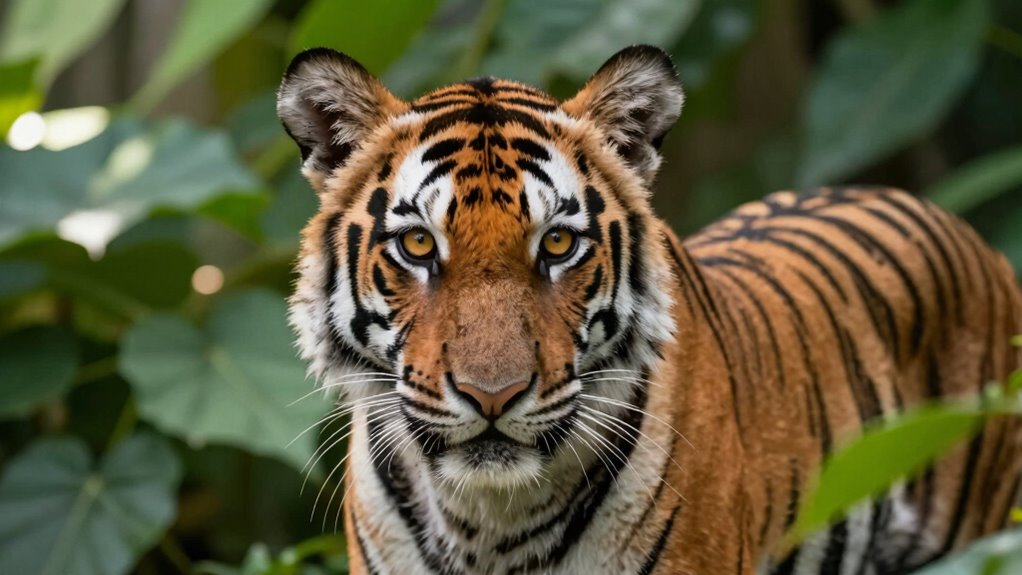

Gene editing can help save endangered species by directly improving traits that boost their survival, such as resistance to disease, environmental adaptability, and reproductive success. By carefully increasing genetic diversity and targeting specific vulnerabilities, you can enhance their resilience without harming natural variation. While it offers promising solutions, it’s essential to understand potential risks like reducing diversity or causing unforeseen health issues. Keep exploring to see how these strategies could shape conservation efforts.

Get the latest gadgets delivered free with Prime
- Fast, free delivery on millions of items
- Prime Video, Amazon Music and more included
- Member-only deals all year
Key Takeaways
- Gene editing can enhance survival traits, such as disease resistance and environmental adaptation, directly improving endangered species’ resilience.
- It allows targeted genetic modifications to address specific threats without significantly reducing genetic diversity.
- By preserving and boosting genetic variation, gene editing supports long-term adaptability and resistance to emerging diseases.
- Careful interventions can strengthen populations while maintaining natural evolutionary processes and genetic health.
- Strategic use of gene editing can complement traditional conservation, increasing species’ chances of survival amid changing ecosystems.
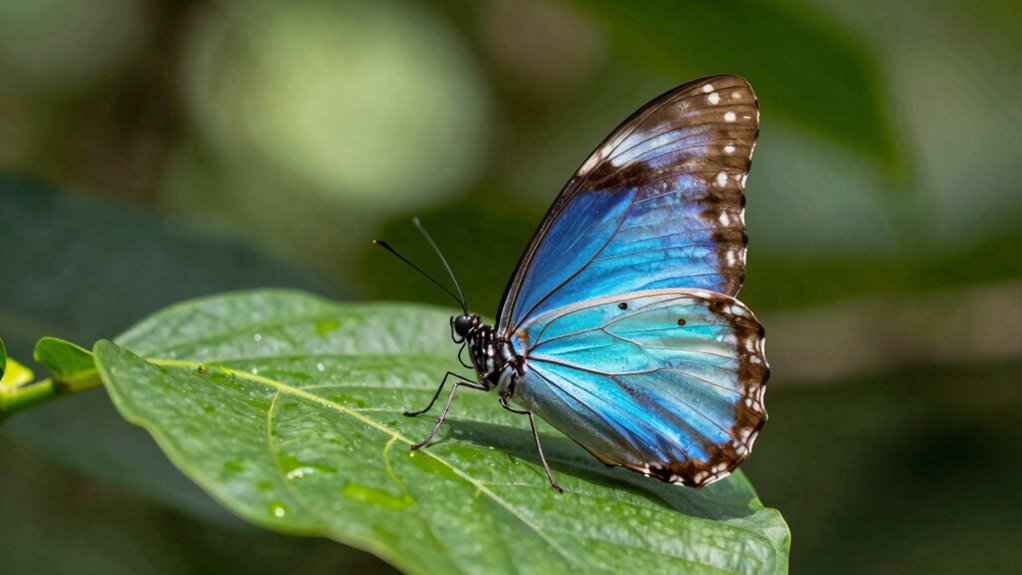
Gene editing offers a promising tool for conserving endangered species by allowing scientists to directly modify their DNA to enhance survival traits. This technology can help address some of the most pressing challenges these species face, such as disease susceptibility, environmental adaptation, and reproductive issues. By making precise genetic changes, you could potentially increase the resilience of vulnerable populations, giving them a better chance to thrive in changing ecosystems.
Gene editing can boost endangered species’ resilience by targeting their DNA to improve survival traits.
However, one of the critical considerations when applying gene editing to endangered species is maintaining genetic diversity. You might think that editing their genes could reduce variability, which is essential for a healthy, adaptable population. Instead, careful planning and targeted edits are necessary to preserve or even boost genetic diversity within these populations. This approach ensures that they retain the ability to adapt to future environmental shifts and resist diseases. You have to be cautious, though, because over-reliance on gene editing without factoring in natural genetic variation might lead to unintended consequences, such as reducing resilience or causing unforeseen health issues. Additionally, understanding the role of genetic diversity is fundamental to ensuring the long-term success of conservation efforts. Incorporating insights from genetic variation can help guide more effective and sustainable genetic interventions.
As an affiliate, we earn on qualifying purchases.
Frequently Asked Questions
What Are the Long-Term Ecological Impacts of Gene Editing?
You might wonder about the long-term ecological impacts of gene editing. If done carefully, it could enhance genetic diversity within endangered species, boosting their resilience. However, there’s a risk that altering one species might unintentionally disrupt ecosystem balance, reducing overall resilience. You must consider that these changes could have lasting effects, both positive and negative, influencing ecological stability over generations. Responsible use guarantees benefits outweigh potential ecological risks.
How Do Scientists Prevent Unintended Genetic Consequences?
Think of gene editing like walking a tightrope—balance is essential. Scientists prevent unintended genetic consequences by carefully evaluating mutation risks and maintaining genetic diversity. They use precise tools like CRISPR to target specific genes, reducing off-target effects. Additionally, extensive testing and monitoring ensure that edits don’t harm the species or ecosystem, helping preserve the delicate genetic fabric that keeps endangered populations resilient and adaptable.
What Are the Ethical Considerations of Editing Endangered Species?
You must consider moral dilemmas and cultural perspectives when editing endangered species. While gene editing can save species from extinction, it raises ethical questions about humanity’s right to alter nature and potential unforeseen consequences. Different cultures may view such interventions as unnatural or morally wrong. You need to weigh the benefits of conservation against respecting diverse beliefs, ensuring your actions are responsible and ethically justified in this complex, sensitive area.
Who Funds and Regulates Gene Editing Projects for Conservation?
Think of a modern-day Pandora’s box; funding sources for conservation gene editing come from governments, NGOs, and private donors, aiming to balance innovation and safety. Regulatory frameworks, like those from the FDA or international agencies, oversee these projects to guarantee ethical standards and ecological risks are managed. You should stay aware of how these financial and regulatory structures shape the development and application of gene editing to protect endangered species effectively.
Can Gene Editing Be Reversed if Negative Effects Occur?
Yes, gene editing can often be reversed through gene therapy techniques that target specific genetic modifications. If negative effects occur, scientists can use these methods to restore the original genetic makeup, helping maintain ecological balance. However, reversing changes isn’t always straightforward, so careful planning and thorough testing are essential to prevent unintended impacts on the environment and preserve the health of endangered species.
genetic testing for conservation
As an affiliate, we earn on qualifying purchases.
As an affiliate, we earn on qualifying purchases.
Conclusion
Imagine a future where you stand as a guardian, much like Prometheus bringing fire, but instead wielding the power of gene editing. With your actions, endangered species could be saved from the brink of extinction, rekindling hope for our planet’s rich tapestry of life. Just as heroes of old changed destinies, your support for these technologies can rewrite the story for countless creatures, ensuring their survival for generations to come.
As an affiliate, we earn on qualifying purchases.
genetic diversity preservation tools
As an affiliate, we earn on qualifying purchases.
As an affiliate, we earn on qualifying purchases.
Fall Picks
fall essentials
As an affiliate, we earn on qualifying purchases.