
TL;DR

Get the latest gadgets delivered free with Prime
- Fast, free delivery on millions of items
- Prime Video, Amazon Music and more included
- Member-only deals all year
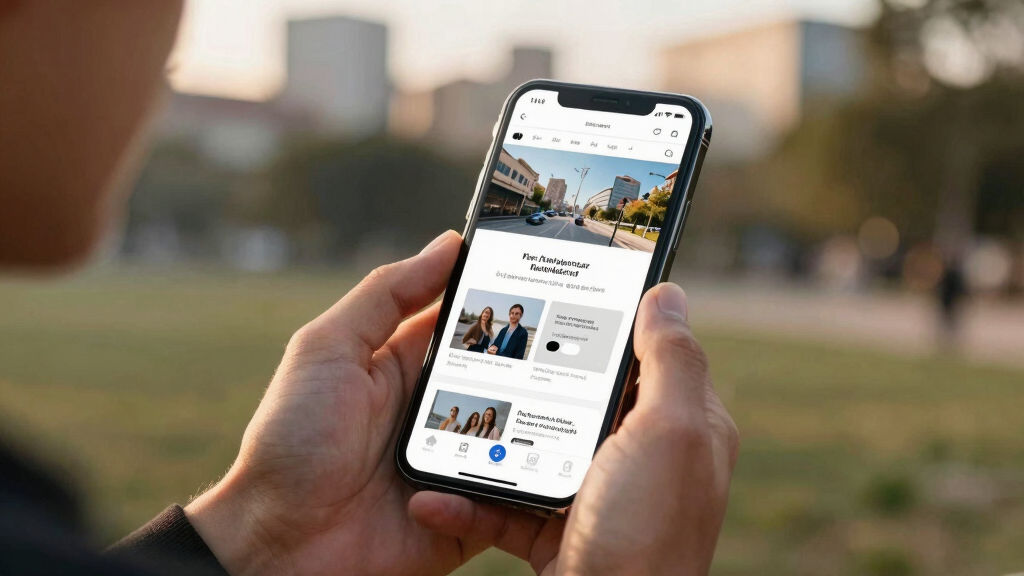
A growing trend involves converting mobile applications into web pages, offering easier access and maintenance. Developers confirm technical advantages, but questions remain about user experience and functionality.
Developers are converting mobile applications into web pages to improve accessibility and simplify maintenance, a shift confirmed by multiple industry sources. This trend aims to address issues related to app store restrictions, device compatibility, and user engagement. The move has significant implications for how users access digital services and how companies manage their digital infrastructure.
Recent examples show developers replacing traditional apps with responsive web pages that replicate core functionalities. According to technical experts, this approach can reduce development costs, streamline updates, and ensure broader device compatibility. Several developers have publicly shared that they have ‘fixed’ or replaced their apps with web-based versions, citing improved performance and easier deployment.
While these conversions are technically feasible, some developers acknowledge challenges in replicating all app features on a webpage, especially those relying on device-specific hardware or offline capabilities. Industry insiders note that this shift is partly driven by the increasing complexity of app store policies and the desire for more direct control over user experience.
Why Converting Apps to Webpages Changes Digital Access
This development could significantly impact user access, as web pages are generally easier to update, more compatible across devices, and less dependent on app store restrictions. For companies, it offers a cost-effective way to maintain digital presence without managing multiple platform-specific versions. For users, it may mean simpler, faster access to services without needing to download or update apps, potentially increasing engagement and reducing barriers to entry.responsive web app development tools
As an affiliate, we earn on qualifying purchases.
As an affiliate, we earn on qualifying purchases.
The Rise of Web-Based Alternatives to Mobile Apps
Over the past year, developers and companies have increasingly experimented with replacing traditional mobile apps with web-based versions. This trend gained momentum as app store policies tightened and the costs of maintaining multiple versions grew. Notable examples include small startups and even larger firms testing web portals that mimic app functionalities. Industry experts note that this approach is not entirely new but has gained renewed interest due to recent technological advances and policy changes.“Converting our app into a responsive webpage has allowed us to reach more users with less overhead. It’s a practical solution to many of the challenges we faced with app store compliance.”
— Jane Smith, Lead Developer at TechSolutions
mobile app to web page conversion software
As an affiliate, we earn on qualifying purchases.
As an affiliate, we earn on qualifying purchases.
Unresolved Questions About Functionality and User Experience
It is not yet clear how widely this practice will be adopted across different types of applications, especially those relying heavily on hardware features or offline capabilities. Experts also question whether users will prefer web versions over native apps, and whether the transition will impact performance or security. Technical challenges remain in replicating certain app features fully on a webpage.
As an affiliate, we earn on qualifying purchases.
Next Steps for Developers and Users in App-to-Web Transitions
Developers are expected to continue testing and refining web-based versions of their apps, with more public case studies emerging in early 2024. Industry groups may develop standards for feature parity and security. Users should watch for official updates from service providers regarding new web-based access points, and further research may clarify the long-term viability of this approach.
As an affiliate, we earn on qualifying purchases.
Key Questions
Why are developers converting apps into web pages?
Developers cite reasons such as reducing costs, improving device compatibility, avoiding app store restrictions, and simplifying updates as primary motivations.
Are web-based apps as functional as native apps?
Functionality can be similar, but some features relying on device hardware or offline access may be limited or require alternative solutions on webpages.
Will this trend replace traditional apps entirely?
It is uncertain; many experts believe web versions will complement rather than fully replace native apps, especially for complex or hardware-dependent functionalities.
What are the security implications of web-based apps?
Security concerns include data privacy, vulnerability to web attacks, and ensuring secure connections, which developers need to address carefully.
Source: hn
Columbus Day / Indigenous Peoples' Day Picks
long weekend sales
As an affiliate, we earn on qualifying purchases.